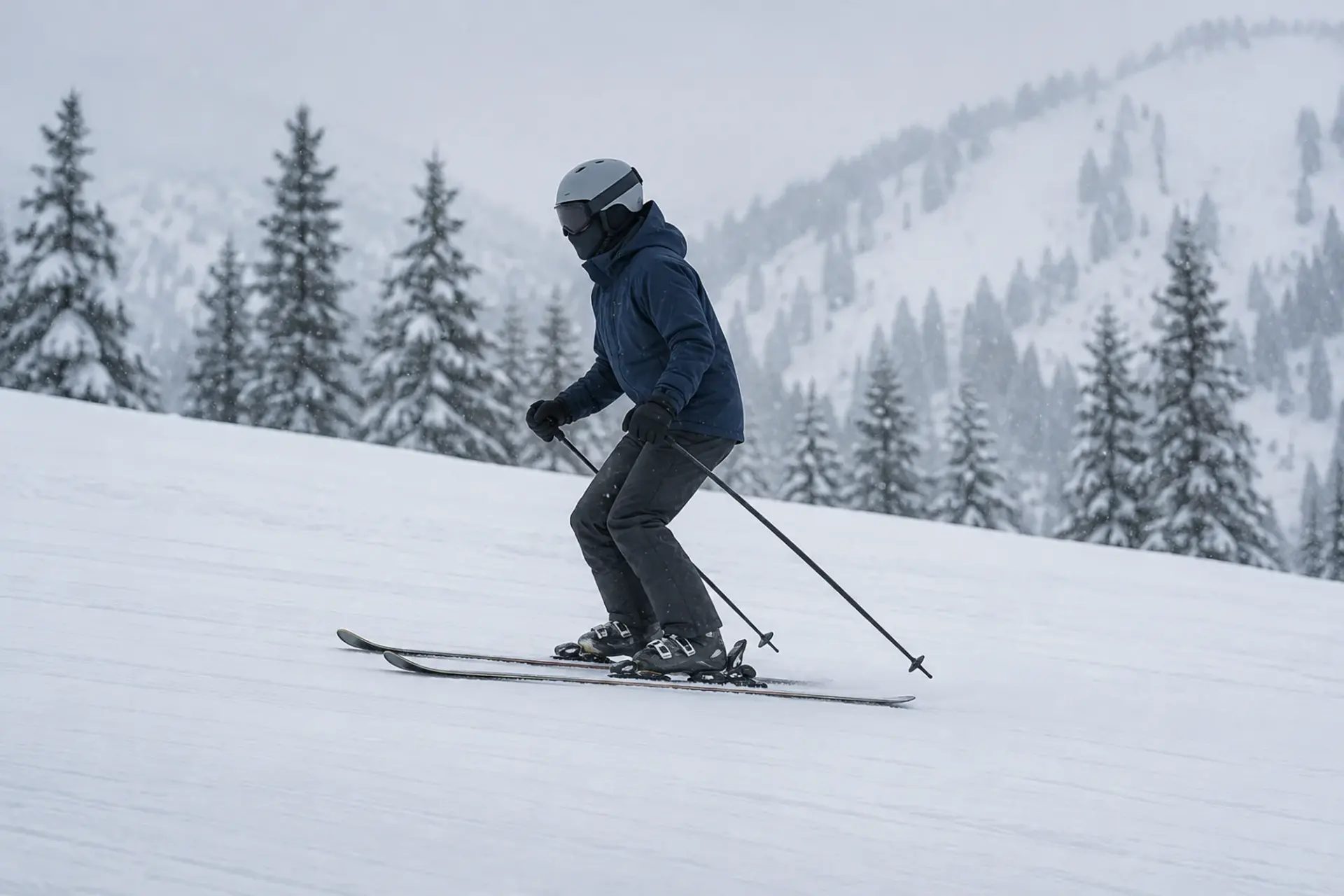
Key facts
- Season
- About mid-December to mid-March, deepest in January
- Style
- Off-piste powder and open slopes, with beginner and intermediate runs on the lower phase
- Lift
- Two-phase gondola; the upper phase is for advanced skiers and often weather-dependent
- First-timers
- Use the lower slopes, take lessons from a registered instructor
- Safety
- Check avalanche and slope conditions; do not go off-piste without a guide
- Gear
- Rent at the base from a reliable operator, or bring your own
Gulmarg sits at 2,650 metres with one of the highest gondolas in the world reaching 3,980 metres at Apharwat Peak — and that combination of altitude, snow depth and access makes it one of the finest ski destinations in Asia. Here is what every first-timer needs to know before strapping in.
Why Gulmarg, and Why It's Different
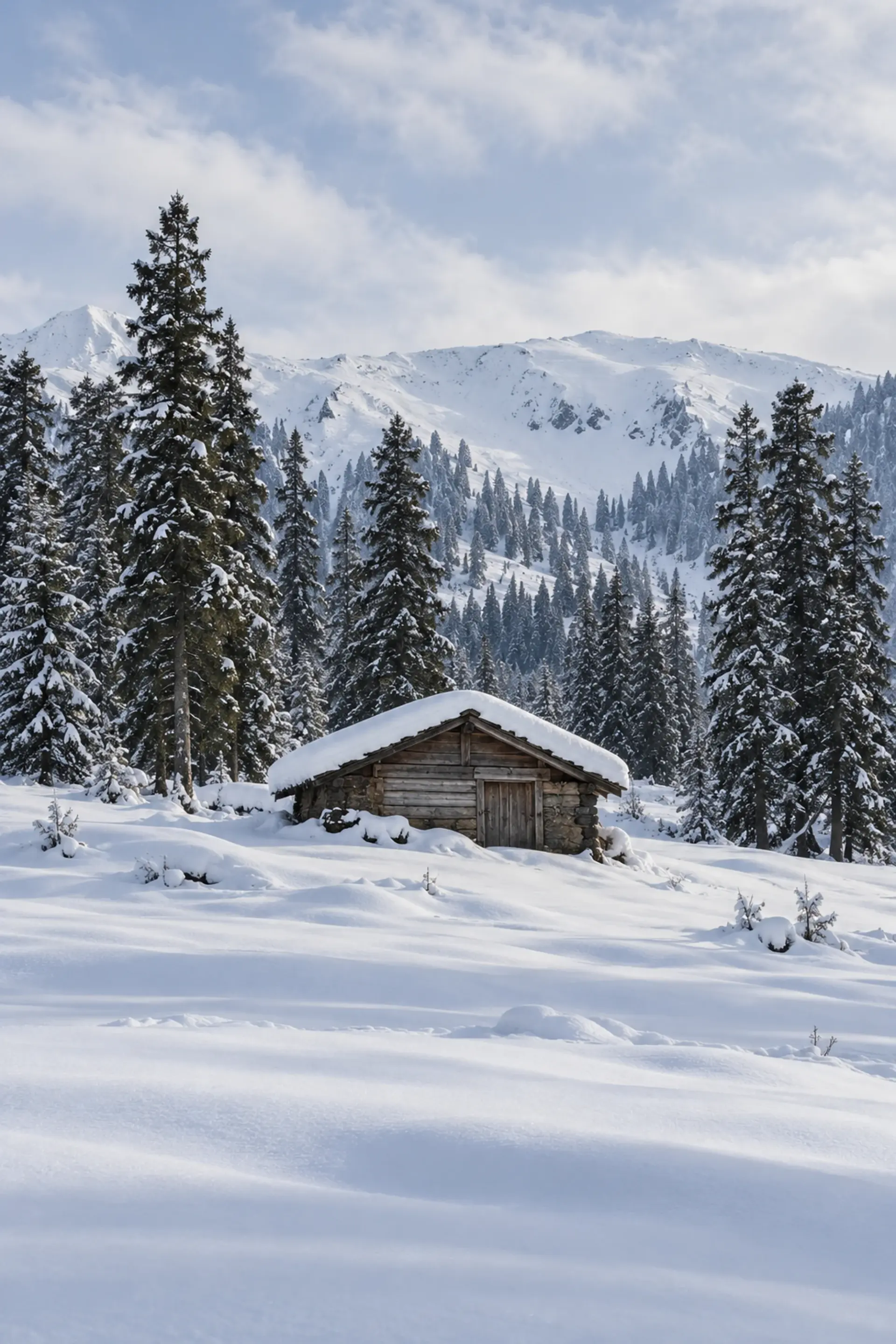
Unlike resorts built around chairlifts and groomed pistes, Gulmarg is famous for its off-piste powder — deep, dry Himalayan snow reachable via the gondola rather than a hike. Ski Magazine and international operators regularly rank it among the world's top powder destinations. It suits intermediate-to-advanced skiers best; total beginners should expect a gentler, more guided introduction on the lower slopes.
When to Go
The ski season runs mid-December to mid-March, with January offering the deepest, driest powder. Late December and early January see the heaviest tourist traffic and the best base depth building up. March brings warmer days and softer snow — good for beginners, less ideal for powder-hunters.
Getting on the Slopes
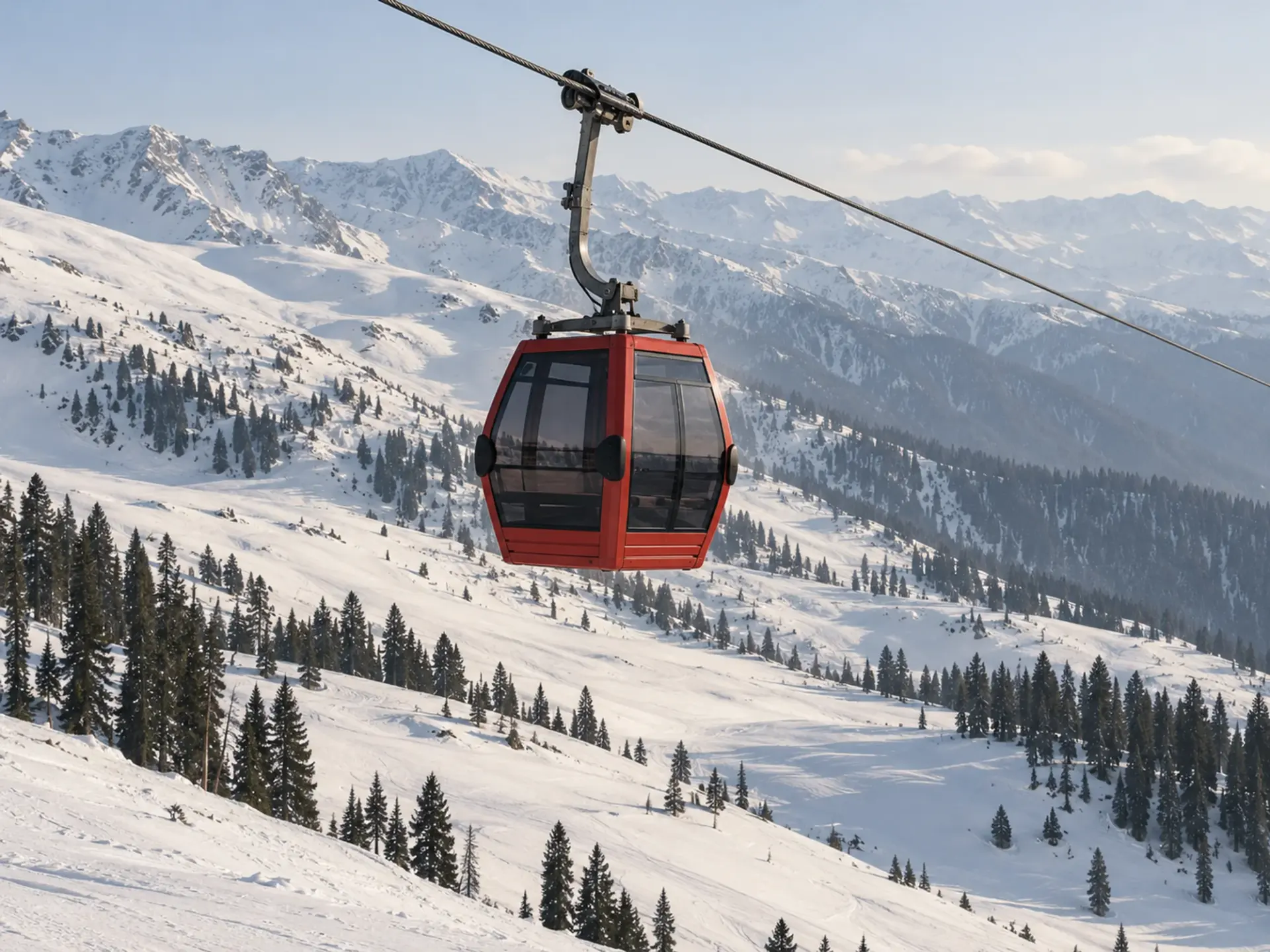
The gondola operates in two phases. Phase 1 (Gulmarg to Kongdoori, 3,080 m) serves the main beginner and intermediate runs. Phase 2 (Kongdoori to Apharwat, 3,980 m) opens up steep, ungroomed powder bowls for advanced skiers — but it is weather-dependent and closes in high winds, so build a buffer day into your itinerary if Phase 2 access matters to you. A separate ski-lift pass (around ₹1,000–1,500 per day) is required in addition to gondola tickets.
Gear and Instructors
Ski and snowboard rental is available at the base area for roughly ₹800–1,500 per day depending on equipment quality; we recommend booking through a registered operator rather than the first stall you see, as fit and maintenance vary widely. Certified instructors charge ₹2,000–3,500 for a half-day lesson — well worth it for first-timers, since Gulmarg's terrain has few marked runs and local knowledge of safe lines matters.
Where to Stay
Slope-side stays like The Khyber Himalayan Resort & Spa put you within walking distance of the gondola base, which matters when you're carrying skis through snow. Mid-range options like Hotel Hilltop and Highlands Park offer meadow views a short walk from the lifts. Whichever you choose, confirm heating and hot water — winter Gulmarg has occasional power fluctuations.
Beyond Skiing
Non-skiers are well catered for. Snow tubing, sledging and short guided snowshoe walks are available near the base, and the gondola ride itself — through silent, snow-laden pine forest to a ridge with Nanga Parbat on the horizon — is worth the trip on its own.
Our Advice for First-Timers
Budget at least three days on snow — one to find your legs on Phase 1 slopes, one for a proper lesson, and one to enjoy what you've learned. Book gondola and instructor slots in advance during the December–January peak; queues can run over two hours without pre-booking. And pack for -10°C mornings even if the forecast looks mild — mountain weather in Gulmarg changes fast.
What kind of skiing is Gulmarg?
Gulmarg is not a resort of groomed pistes and chairlifts. Its reputation is built on the snow itself and on how easily a gondola lets you reach the high slopes. The lower phase serves open beginner and intermediate terrain, while the upper phase opens steep, ungroomed bowls for advanced skiers and snowboarders. The mountain is serious, with real avalanche risk, and the facilities are modest, which is part of the appeal and part of the responsibility.
When to go
The season runs from about mid-December to mid-March. January usually gives the deepest, driest snow; late December and early January are the busiest weeks; February keeps good snow with a little more sun; March brings warmer days and heavier snow. Snowfall varies from year to year, so keep dates flexible and a day spare for weather. Our best time to visit Gulmarg guide shows the whole year, and snowfall in Gulmarg explains what to expect from the snow.
Getting on the slopes
You reach most of the skiing by the gondola. Phase 1 serves the main beginner and intermediate runs; Phase 2 serves the high, steep terrain and is often closed by wind or snow. The lift queue is long in the peak weeks, so go early and plan the day around the weather, not the clock. Our gondola guide covers tickets, timings and what to do if the top is closed.
Gear, lessons and guides
You can rent skis, boots and clothing at the base. Quality and fit vary, so choose a reputable operator and check the boots and bindings before you pay. If you have never skied, take lessons from a registered instructor on the lower slopes and give yourself time: balance, falling and getting up come first. For anything beyond marked areas, hire a local guide who knows the snow, the terrain and the rescue routes, and carry the safety gear he recommends.
Safety on the mountain
- Check the avalanche and weather bulletin with your guide each morning.
- Do not ski off-piste alone, and do not follow tracks you cannot see the end of.
- Wear a helmet, and carry water and a charged phone.
- Respect closures; they are there because the slope is not safe.
- Turn back when the weather turns, however good the snow looks.
Where to stay
Staying close to the lift matters when you are carrying skis through snow. Slope-side resorts put you within a few minutes of the gondola; mid-range hotels on the meadow are a short walk; Tangmarg is a longer daily trip. See our guide to the best hotels in Gulmarg and the Gulmarg ski packages.
If you do not ski
Gulmarg is easy to enjoy without skiing. Sledging, tubing, short guided snowshoe walks and the gondola itself fill a day, and a hot drink in a warm hotel after the cold is its own pleasure. Families often split: some ski, others play in the snow, and everyone meets for lunch.
Planning with us
Fitness, altitude and a first day
Skiing at this altitude is harder than it looks. The air is thin, the cold is sharp and a few runs tire a beginner quickly. Arrive a day before you ski if you can, drink plenty of water, eat well and keep the first day short. Stop when you are tired, not when you are hurt, and keep to terrain that matches your level.
We plan Gulmarg ski trips from Srinagar, with the hotel, the transfers and a spare day for weather, and tell you plainly what is included and what you pay separately, such as lift tickets and equipment. Tell us your dates and your level and we suggest a plan.
Questions travellers ask
When is the ski season in Gulmarg?
Roughly mid-December to mid-March, with January usually the deepest. Snowfall changes each year, so keep your dates flexible.
Is Gulmarg good for beginners?
Yes, on the lower slopes with a registered instructor. The high terrain is for advanced skiers and is weather-dependent.
Can I rent ski equipment in Gulmarg?
Yes. Skis, boots and clothing are available at the base. Choose a reliable operator and check the fit before you pay.
Do I need a guide?
For marked beginner slopes, a lesson is enough. For anything off-piste or on the upper phase, take a local guide who knows the snow and the terrain.
What can non-skiers do?
Sledging, tubing, snowshoe walks and the gondola ride are all popular, and many families split their time between skiing and snow play.
Written by the TDI Holiday Ventures planning desk in Srinagar. Conditions, fares and rules change: confirm anything that affects your booking with us on WhatsApp before you pay.