Key facts
- First snow
- Usually in November, with serious snow from December
- Deepest months
- January and February
- Late snow
- March can still bring heavy falls
- Road
- Snow can slow or close the Srinagar to Gulmarg road; chains or a suitable vehicle may be needed
- Gondola
- The upper phase closes in wind and poor visibility
- Plan
- Flexible dates, warm layers and a spare day
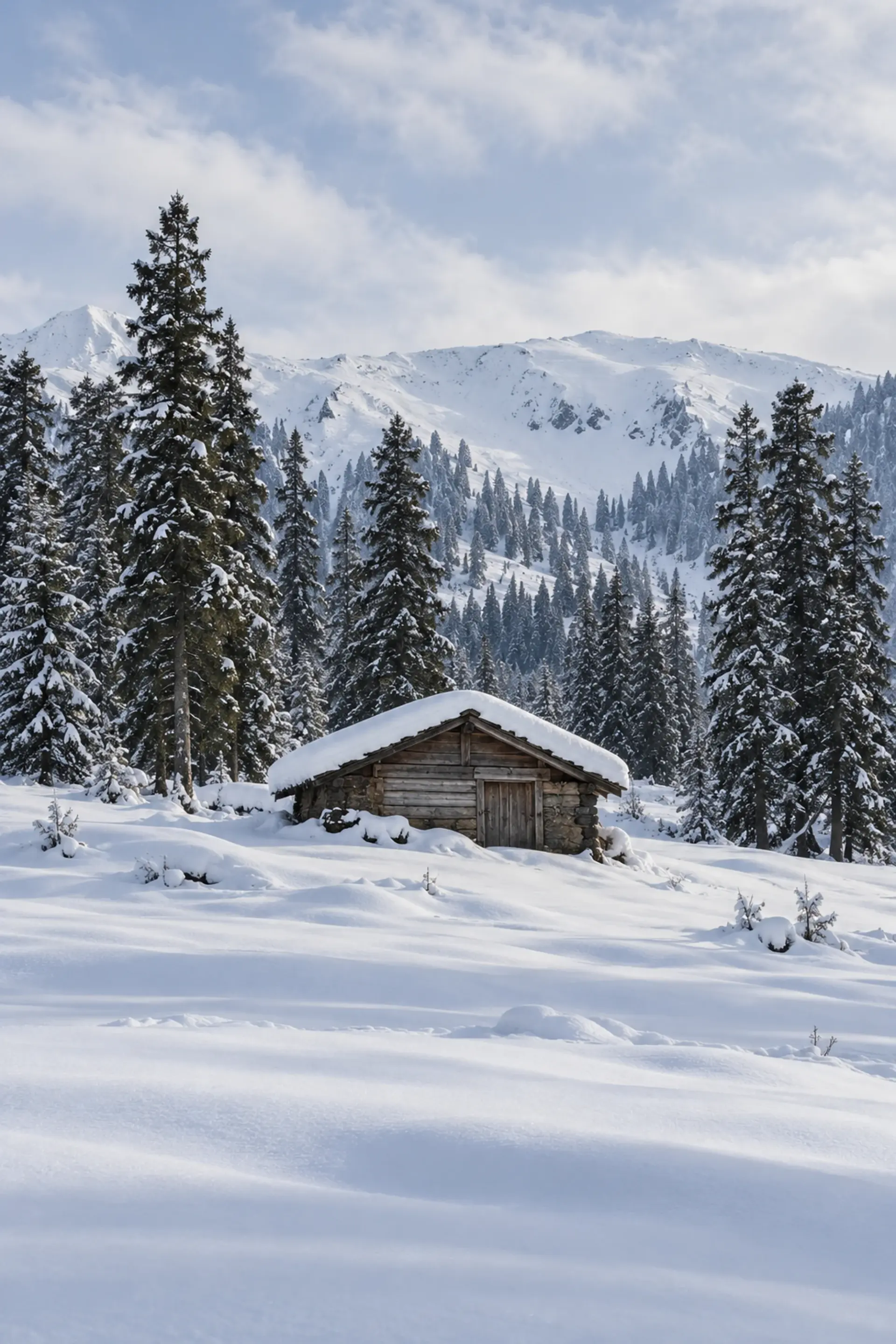
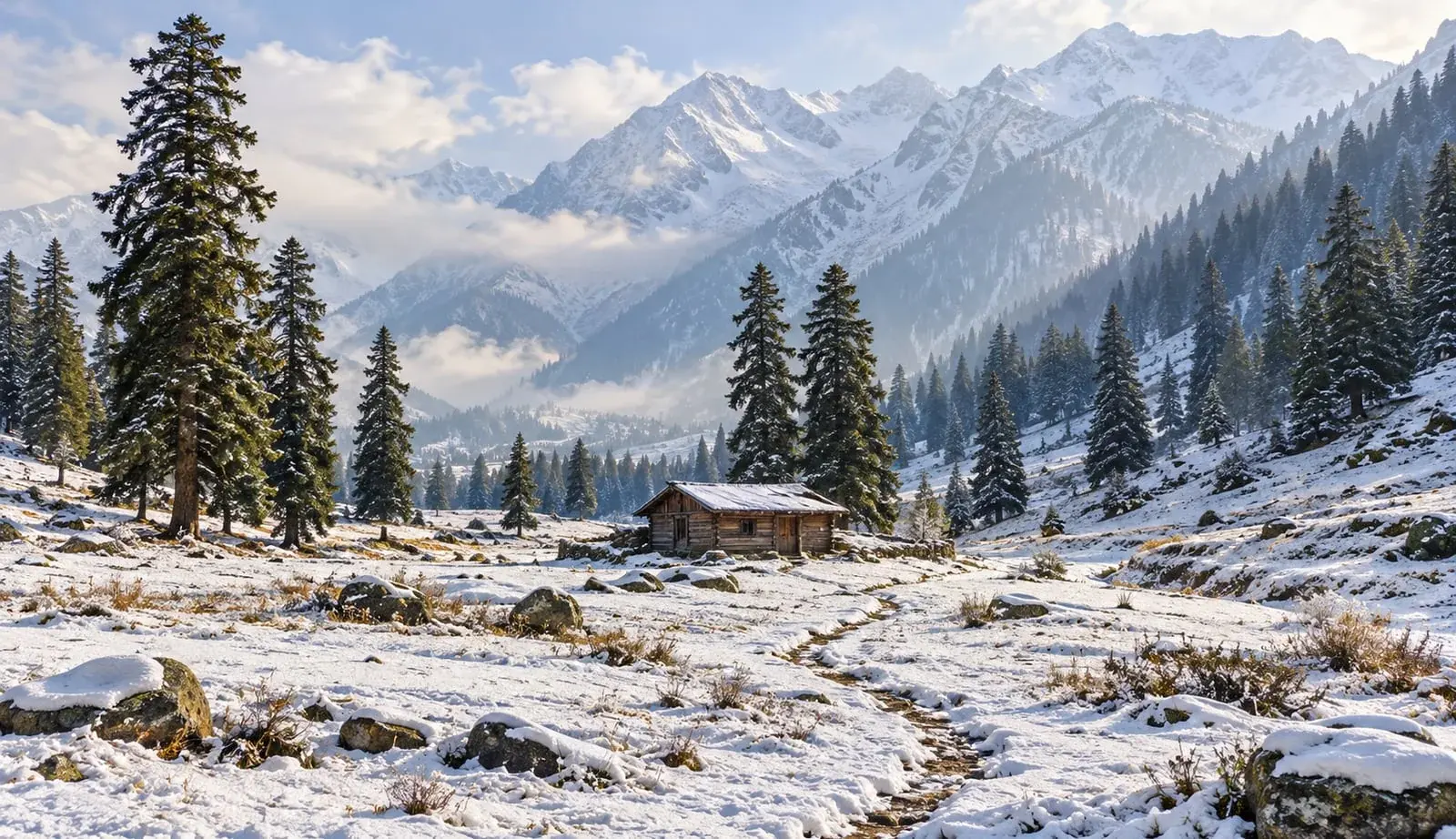
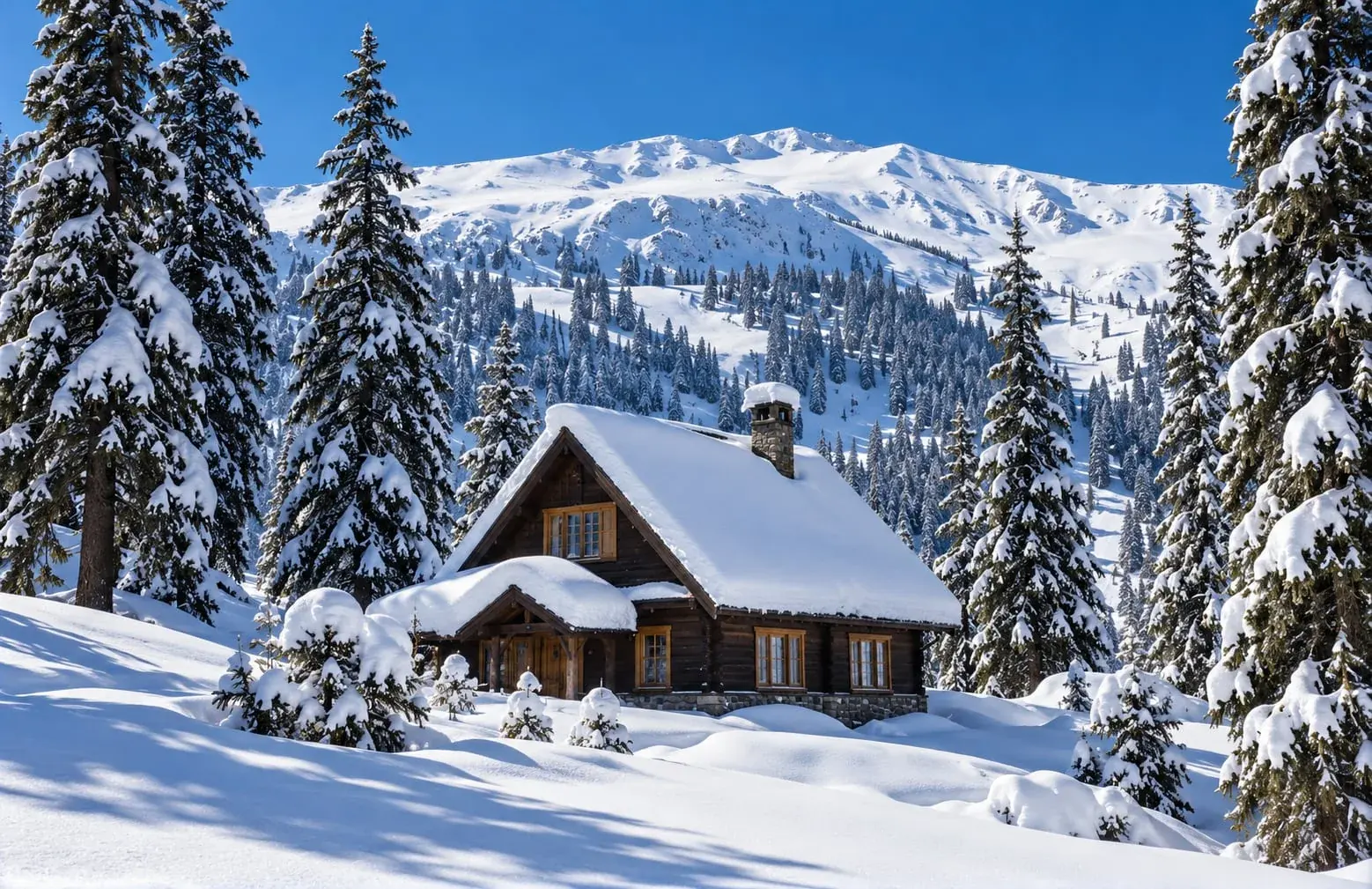
Gulmarg receives some of the heaviest snowfall in the Himalayas — an average of 14 metres annually. The phenomenon transforms the summer meadow into a deep-powder paradise that ski enthusiasts rank among the world's best.
Snowfall Timeline
The first flakes typically arrive in November, but the serious snow begins in December. January is the peak month — expect 2–4 metres of snowfall across the month. February continues with frequent storms, often depositing 1–2 metres. March brings intermittent snow, especially in the first half. By mid-April, the snow line retreats to higher elevations. The highest recorded single snowfall in Gulmarg was 1.2 metres in 24 hours during January 2023.
Skiing Conditions
Fresh powder days (within 24 hours of a snowfall) offer the finest ski conditions. The ski season runs December 15 to March 15, with the best powder typically found in January. The Apharwat Peak receives the deepest, driest snow due to its elevation (3,980 m). Kongdoori slopes are ideal for intermediate skiers, while the beginner area near the golf course offers gentler terrain.
Experiencing Snowfall as a Non-Skier
You do not need to ski to enjoy Gulmarg in winter. Walking through the meadow as snow falls is a deeply meditative experience. The gondola rides through falling snow are surreal — the world disappears into white. Snow tubing, sledge rides, and snowball fights are available near the base area. The local Kashmiri kahwa tastes even better when sipped by a log fire as the snow piles up outside.
What to Pack
Waterproof snow jacket and pants, insulated snow boots with good grip, thermal innerwear (top and bottom), fleece mid-layer, woollen socks (at least 3 pairs), gloves (waterproof recommended), woollen cap that covers ears, sunglasses — snow glare is intense even on overcast days, lip balm with SPF, moisturiser — the cold air is extremely drying.
Road Conditions
In heavy snowfall, the Srinagar–Gulmarg road may require snow chains or 4x4 vehicles. Our drivers are experienced in winter conditions and carry chains. The journey from Srinagar (56 km) takes 2–3 hours in snow versus 1.5 hours normally. Allow extra time during and after snowfall events.
How the snow season unfolds
The first flakes can arrive in November, but the serious snow starts in December. It builds through January and February, which are the deepest months, with frequent storms followed by bright, still, very cold days. March can still bring heavy falls before the meadow starts to melt in April. No year is the same, so treat any month as a range: one winter may open early, another may be dry until January.
What fresh snow means for your trip
Snowfall decides what you can do on a given day. After a big fall the meadow is beautiful but the road can be slow, the gondola may be closed and the roads in the hills may need chains. In the days after a fall the snow is at its best for skiing, and the light is at its best for photographs. A trip made of a single day has little room for any of this; two or three nights give the weather room to settle.
Enjoying the snow if you do not ski
Walking across the meadow in falling snow is quiet and memorable. Sledging, snow tubing, short snowshoe walks and the lower gondola are available near the base, and a hot drink in a warm room afterwards is part of the experience. Children love it. Keep outdoor time short at first: cold and altitude tire people quickly.
Skiers and snow conditions
For skiers, fresh powder days are the best, and the high slopes hold the driest snow. Conditions change with wind and sun, and avalanche risk rises after heavy snow, so use a registered guide, follow closures and ask about conditions each morning. See our skiing in Gulmarg guide and our Gulmarg ski packages.
Getting there in snow
The road from Srinagar climbs through forest to Tangmarg and then to the meadow. In snow it takes longer, may need chains or a suitable vehicle and can close for a few hours or a day. Our drivers know the winter road and carry chains; we recommend leaving early, travelling in daylight and keeping a spare day. If you drive yourself, read the advice on our self-drive car rental page and ask us about the road first.
What to pack
- Waterproof jacket and trousers, insulated boots with good grip and thermal underlayers.
- Fleece mid-layer, woollen socks (several pairs), waterproof gloves and a hat that covers the ears.
- Sunglasses and sunscreen; snow glare is strong.
- A small bag with a hot drink, snacks and a charged phone.
Safety in the snow
Cold, altitude and slippery ground cause most problems. Keep warm and dry, drink water, take breaks, wear shoes with grip and do not go onto slopes or frozen water you cannot judge. Avalanche warnings and gondola closures are for your safety and need to be respected.
Planning with us
Photographing the snow
Fresh snow gives the best pictures in the first hours of clear light after a storm, when the pine branches are loaded and the meadow is unmarked. Shoot early, protect your phone or camera from the cold, which drains batteries quickly, and keep a spare battery inside your jacket. Underexpose a little for bright snow so it does not turn grey or washed out.
Snow and the rest of your trip
Gulmarg is usually one part of a longer Kashmir plan, and snow can change the plan around it. If you are visiting in winter, put Gulmarg in the middle of the trip rather than on the first or last day, so a delay does not cost you a flight or a hotel. Heavy snow can also affect Pahalgam and Sonmarg, while Srinagar stays easier to reach. Our Kashmir in winter guide shows how the valley works in the cold months, and we adjust your plan with you if the forecast turns.
If a storm keeps you in the hotel, make it part of the trip: a warm room, a book, hot tea and a window over a white meadow is a good day in itself. Pack a book, a card game and patience, and the weather becomes part of the story instead of an obstacle.
We plan snow trips with warm hotels, drivers used to the winter road and a spare day built in, and we tell you when conditions make a change sensible. Read the Gulmarg destination guide and the winter snow tour packages for ideas.
Questions travellers ask
When does it snow in Gulmarg?
The first snow can come in November and serious snow begins in December. January and February are the deepest months, and March can still bring heavy falls.
Can I visit Gulmarg without skiing?
Yes. Sledging, tubing, snowshoe walks, the lower gondola and the meadow in snow are all popular with non-skiers and families.
Does snow close the road to Gulmarg?
It can slow or close the road for hours or a day after heavy snow. Drivers carry chains, and we plan a spare day and a daylight arrival.
What should I wear?
Waterproof outer layers, insulated boots with grip, thermal layers, gloves, a hat that covers the ears and sunglasses for the glare.
Is it safe to visit in heavy snow?
With sensible planning, yes, but conditions change quickly. Follow closures, travel in daylight and keep flexible dates.
Written by the TDI Holiday Ventures planning desk in Srinagar. Conditions, fares and rules change: confirm anything that affects your booking with us on WhatsApp before you pay.