Key facts
- Season
- December to February, with the deepest snow in January
- Gulmarg
- Ski and snow season; the upper gondola depends on wind and snow
- Srinagar
- Cold, bright days and frosty mornings
- Roads
- Snow can close or slow mountain roads and flights
- Stay
- Choose heated rooms; check hot water
- Plan
- Flexible dates and a spare day
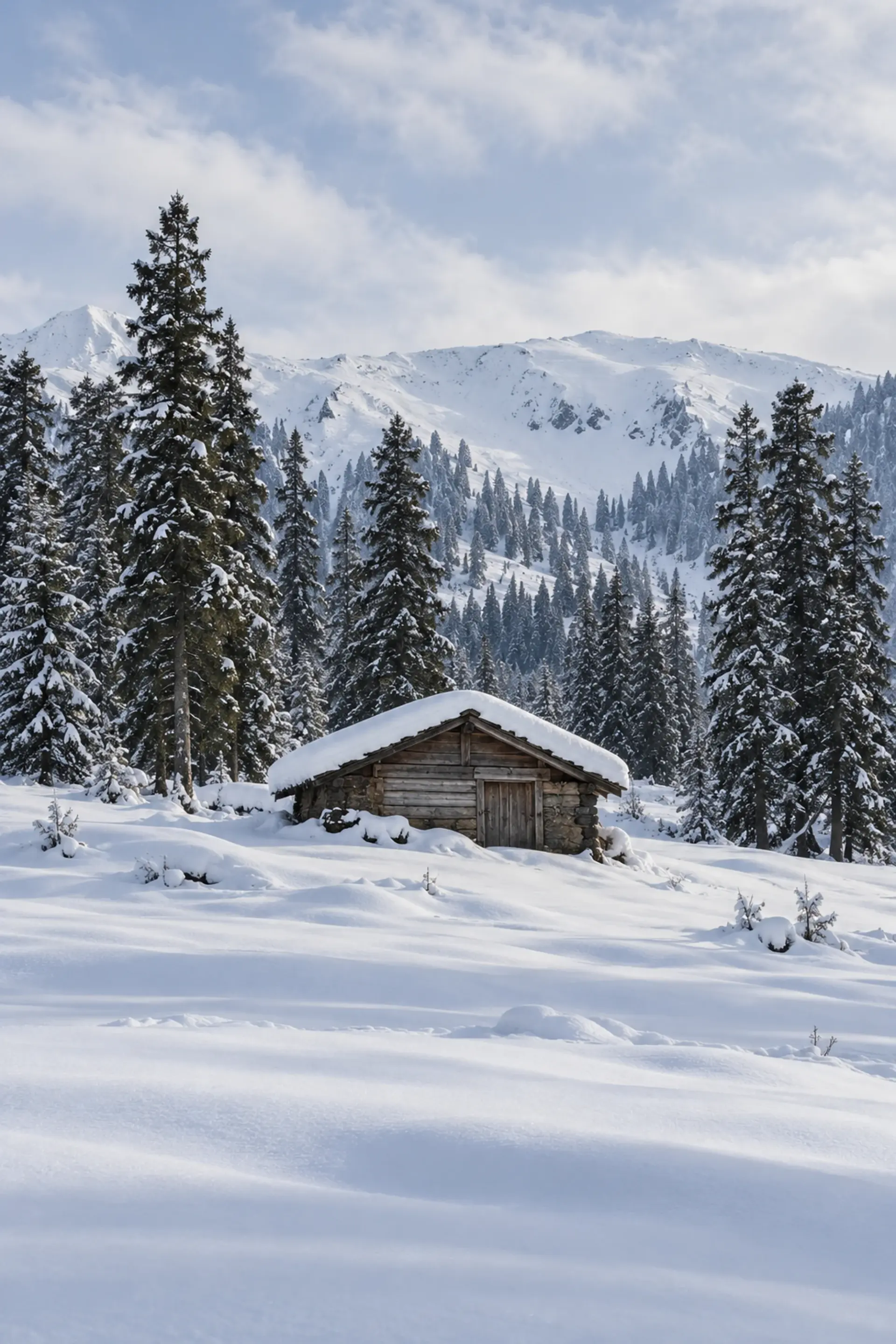
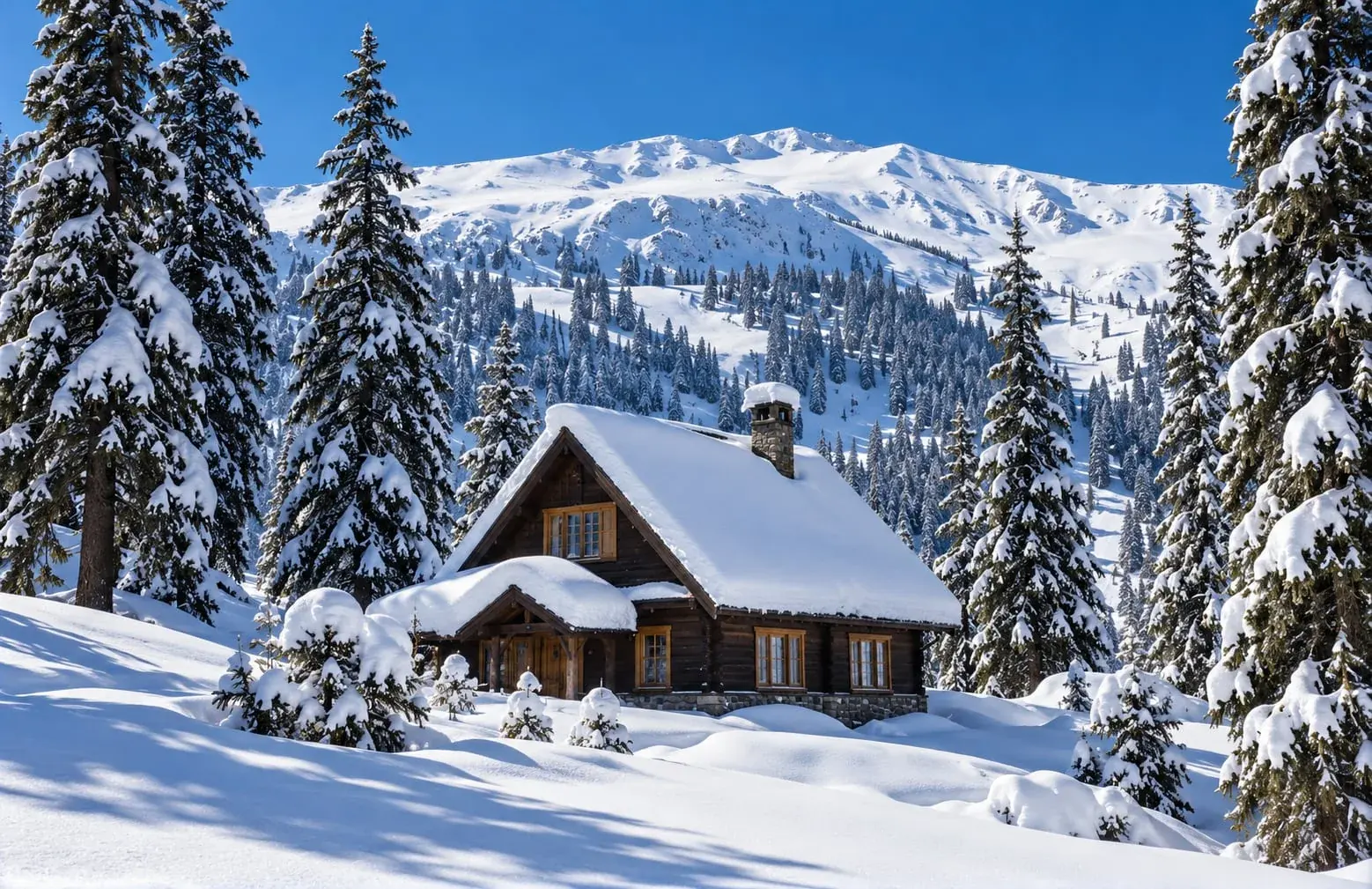
Winter transforms Kashmir into a white wonderland. Dal Lake half-freezes, Gulmarg becomes Asia’s premier ski destination, and the valley takes on a quiet beauty.
Temperatures
Srinagar in December averages −1.6 °C to 9.9 °C and Gulmarg −4.8 °C to 4.6 °C (India Meteorological Department, 1991–2020 normals); January nights are colder. Snowfall is irregular from December to February and cannot be promised for a given week. Our December guide has dated readings.
Ski Season
December 15 to March 15. One of the highest cable cars, at 3,980 m. Ski lessons available.
Packing List
Thermal innerwear, down jacket (-10°C rated), waterproof snow pants, insulated boots, wool socks, waterproof gloves, balaclava, sunglasses, lip balm.
Winter Packages
Our 4N/5D Kashmir Classic starts from ₹13,800 and the 5N/6D Gulmarg Stay from ₹16,300 per person; each package page has its price table by group size. Ask us for the fare for your December or New Year dates.
What winter in Kashmir is like
Winter changes the valley from green to white. Snow settles on the hills and meadows, mist rises from the lake in the early morning, and the streets of Srinagar are full of woollen shawls, kangris and hot tea. It is cold, often below freezing at night, and the days are bright when the sky clears. The valley is quieter than in summer, and the tourist crowd is smaller and dominated by skiers and couples. For many visitors, the quiet is the reward.
Who winter suits
Winter suits travellers who want snow, ski-resort atmosphere, quiet and warm rooms. It suits couples, families with older children, photographers and skiers. It is less suited to people who dislike the cold, travellers with fixed schedules and those who want every sight open. If your dates are not flexible, think carefully, and consider autumn or spring.
Weather and snow
Srinagar is cold, with freezing nights and sunny but cool days, and snow falls a few times a season. Gulmarg is colder and has much more snow, with deep powder in January and February. Pahalgam is quiet and cold. Sonmarg and the high roads are largely closed. Heavy snow can close roads and cancel flights, usually for a day or two. See our guides to snowfall in Gulmarg and the Gulmarg ski season for more.
What to do
- Ski, snowboard or play in the snow in Gulmarg, with the lower gondola for views.
- Take a quiet shikara on a misty morning on Dal Lake, if conditions allow.
- Walk through the old city in the cold and eat warm food: kebabs, harissa and kahwa.
- Visit the Mughal gardens, which are bare but peaceful and beautiful under frost.
- Stay in on a snowy afternoon with a book and a window.
Where to stay
Heating is the first question. Ask whether the room has central heating, a heater or a fireplace, whether hot water is reliable and what happens in a power cut. Houseboats are atmospheric but need good heating and blankets, so confirm before booking. In Gulmarg, a slope-side hotel saves a cold walk. See our guides to Gulmarg hotels and Srinagar hotels.
Getting around in winter
Roads can be slow after snow, and the road to Gulmarg may need chains or a suitable vehicle. Drivers who know the winter roads matter more than the make of the car. Leave early, travel in daylight and keep a spare day. Flights can be delayed by fog, so avoid tight connections and consider travelling a day early if you have an important onward flight.
What to pack
Thermals, a warm down jacket, waterproof boots with good grip, warm socks, gloves, a woollen hat, sunglasses and lip balm. Pack a power bank, since cold drains batteries, and a small torch for power cuts. Our Kashmir packing list covers the whole year.
Health and safety
Keep warm and dry, drink warm fluids, eat hot meals and avoid walking on ice you cannot judge. If you use a heater or fire in a closed room, make sure the room is ventilated. Take care on frozen paths and steps, and follow local advice on avalanche risk and road closures.
A four-day winter plan
Day one, arrive in Srinagar, check into a heated hotel and take a gentle walk by the lake in the late afternoon, with hot tea afterwards. Day two, visit a Mughal garden in the bright morning, browse shawl and papier-mâché workshops after lunch and eat a warm Kashmiri dinner. Day three, drive to Gulmarg early, ride the lower gondola or the upper if it is open, play in the snow and sleep in a warm room. Day four, return to Srinagar, shop for shawls and dry fruit and leave for the airport with plenty of time. Keep a spare day in your schedule if you can, since snow and fog are the usual reasons for change.
Eating and keeping warm
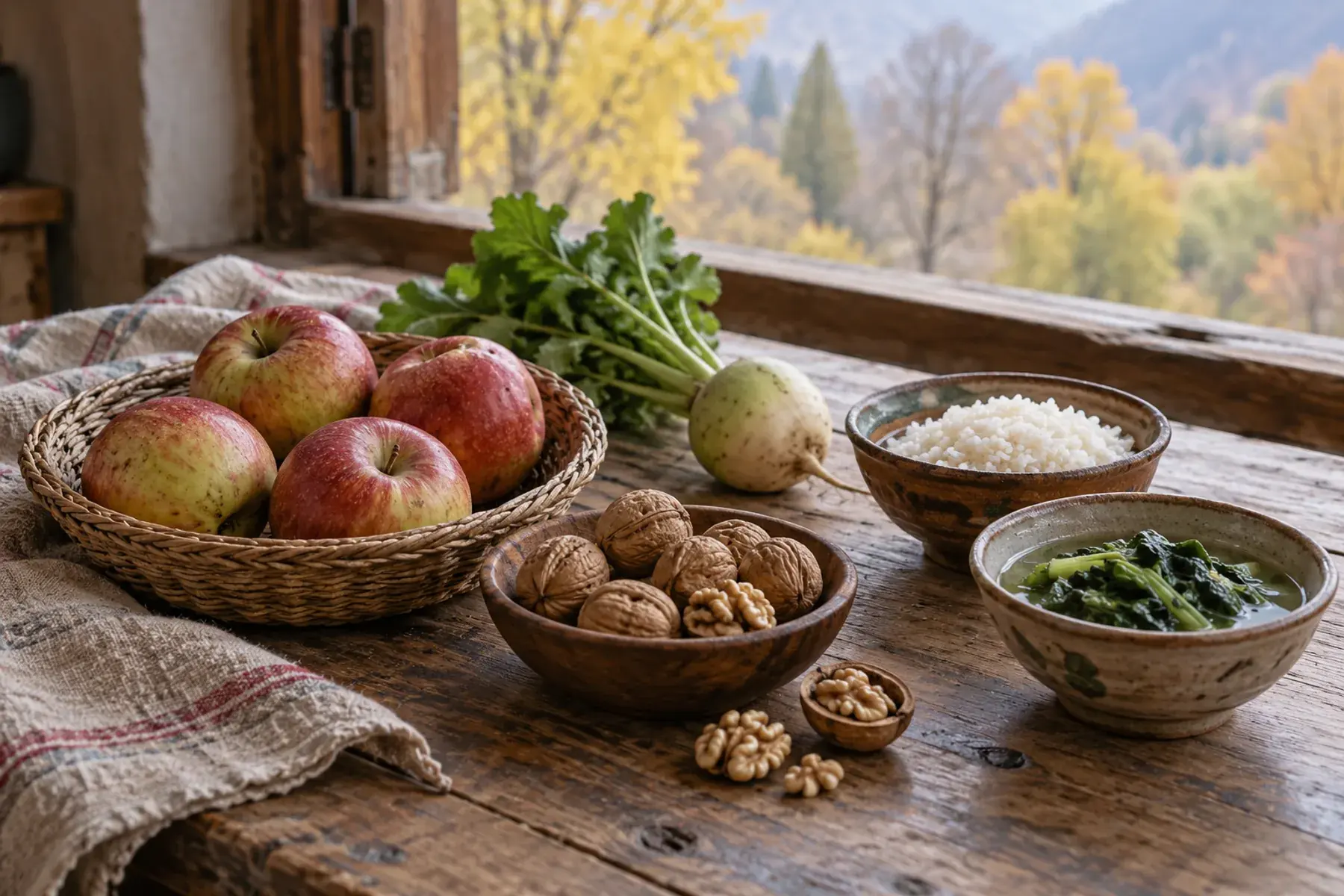
Winter food is part of the pleasure: harissa, a slow-cooked meat porridge eaten at breakfast in the old city, kebabs, noon chai with fresh bread, and nadru and mutton dishes in the evening. Locals carry a kangri, a small clay pot of embers in a wicker case, under their cloaks; it is a custom you may see, and not something to use indoors without care. Drink warm fluids, wear layers and keep your hands and feet dry; most winter problems for visitors are cold and wet, not anything more serious.
Is winter travel safe
With sensible planning it is a good season for visitors. The main risks are cold, slippery ground and closures after heavy snow, none of which are dangerous if you follow advice and keep a margin. Travel in daylight, use a driver who knows the winter roads, follow closures and avalanche warnings and avoid unmarked slopes. Check official advisories close to your dates, and keep your plans flexible so that a closure is an inconvenience, not a crisis.
Planning with us
We plan winter trips with warm hotels, drivers used to snow and flexible schedules, and tell you plainly if conditions make a change sensible. See our winter snow tour packages and tell us your dates and what you want to do.
Questions travellers ask
When does it snow in Kashmir?
Mainly December to February, with the deepest snow in the hills in January. Srinagar sees snow a few times a season.
Is Kashmir worth visiting in winter?
Yes, if you want snow and quiet. It is less suitable if you need fixed dates or every sight open.
Is Dal Lake frozen in winter?
It can freeze at the edges in the coldest spells, and mist is common. Shikara rides depend on conditions.
Are hotels heated?
Most are, but the type differs. Ask about central heating, heaters and hot water before you book.
Can roads and flights be affected?
Yes. Heavy snow or fog can close roads and delay flights for a day or two. Keep a spare day and avoid tight connections.
Written by the TDI Holiday Ventures planning desk in Srinagar. Conditions, fares and rules change: confirm anything that affects your booking with us on WhatsApp before you pay.