Key facts
- Rule
- Layers for every season
- Always
- Rain jacket, comfortable shoes with grip, sun protection
- Spring and autumn
- Medium-weight jacket, sweaters, a scarf
- Winter
- Thermals, down jacket, waterproof boots, gloves, hat
- Documents
- ID, tickets, any permits, medicines
- Bags
- Soft bags fit vehicles better
Layering is everything in Kashmir. Even in June, evenings in Gulmarg drop to 8°C, and even in January, a sunny Srinagar afternoon can feel deceptively warm. After twenty-five years of dressing travellers for every one of Kashmir's six seasons, this is the packing list we actually hand our guests.
Spring (March – May)
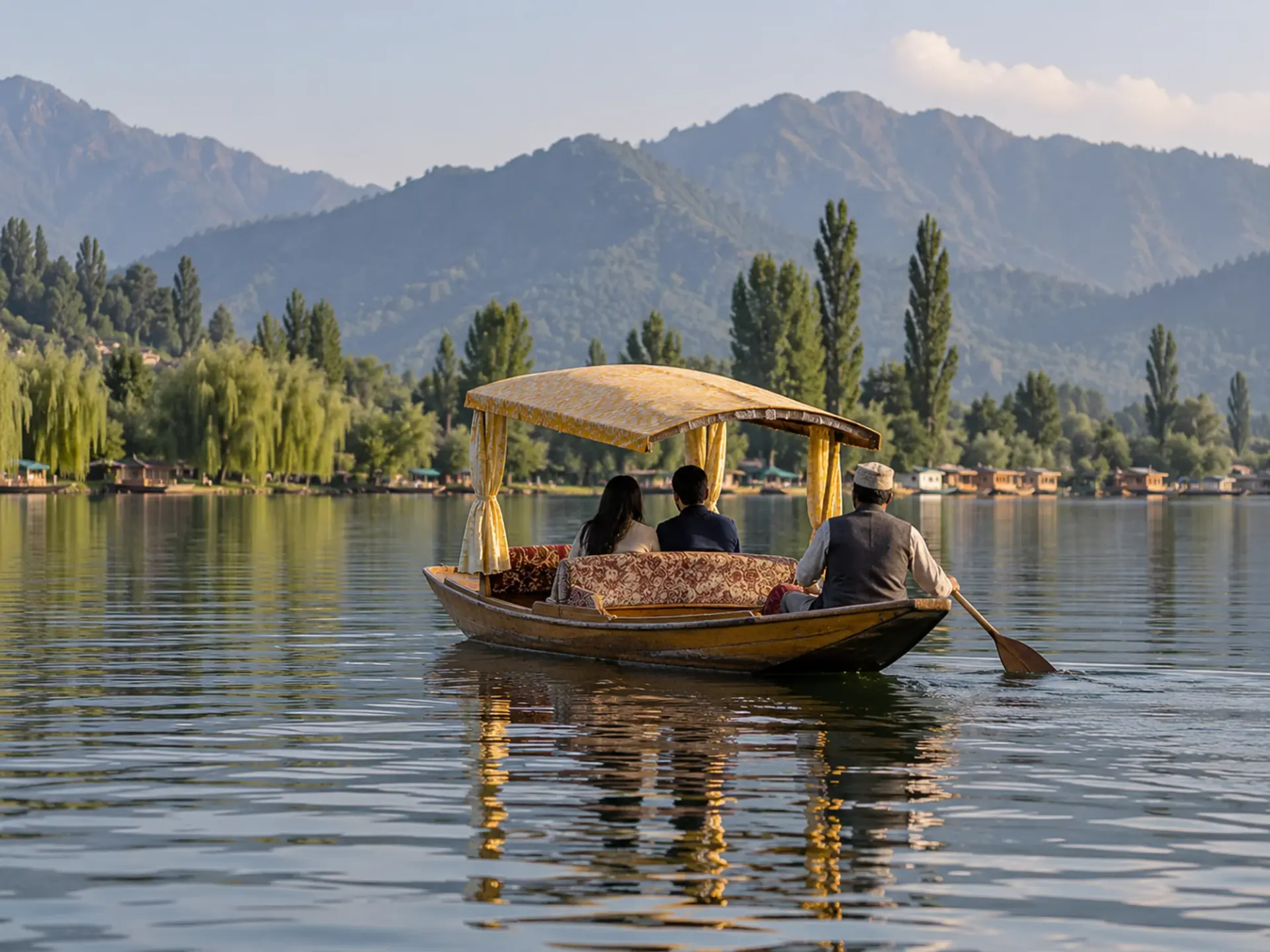
Days are mild (12°C–22°C) but mornings and evenings are sharp. Pack a mix of light sweaters, a windproof jacket, and a compact umbrella — spring showers arrive without warning. Waterproof walking shoes are essential for the Mughal Gardens' wet lawns. A light scarf doubles as sun protection and a chill-guard on breezy shikara rides.
Summer (June – August)
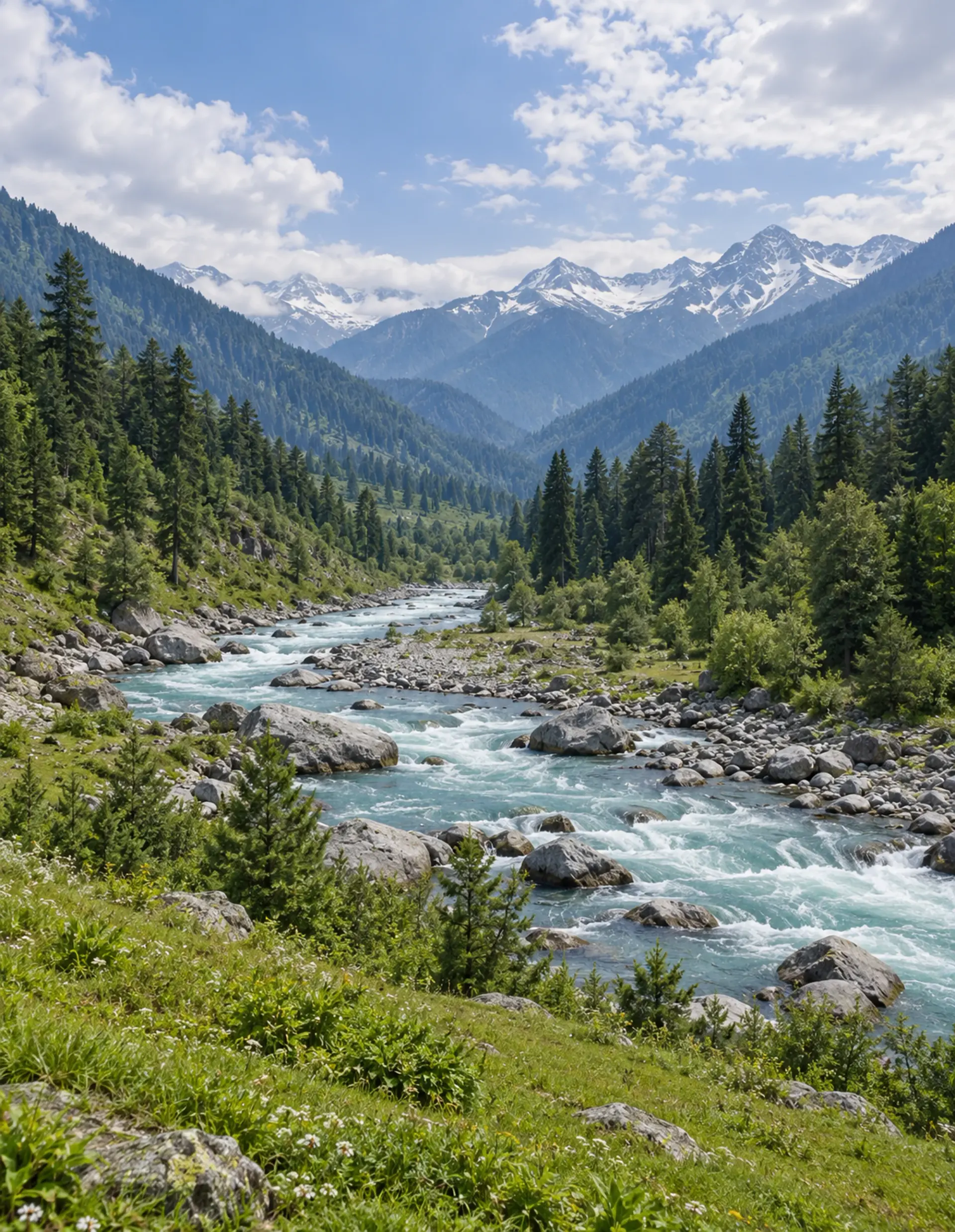
Srinagar can touch 30°C at noon, but Gulmarg and Sonmarg stay 10°C–15°C cooler, and evenings everywhere drop fast. Cotton and linen for daytime, one warm fleece or light jacket for evenings, and a pair of sturdy walking shoes for pony treks and glacier walks. Sunglasses and a wide-brimmed hat are non-negotiable — the mountain sun is stronger than it looks. If you're travelling in July–August, add a compact rain shell for the monsoon shoulder.
Autumn (September – November)
This is sweater weather almost throughout. Carry a medium-weight jacket, a couple of full-sleeve layers, and closed shoes for walking through fallen chinar leaves. Early morning temperatures near Pahalgam and Sonmarg can dip to 5°C, so a thin thermal layer is worth the suitcase space.
Winter (December – February)
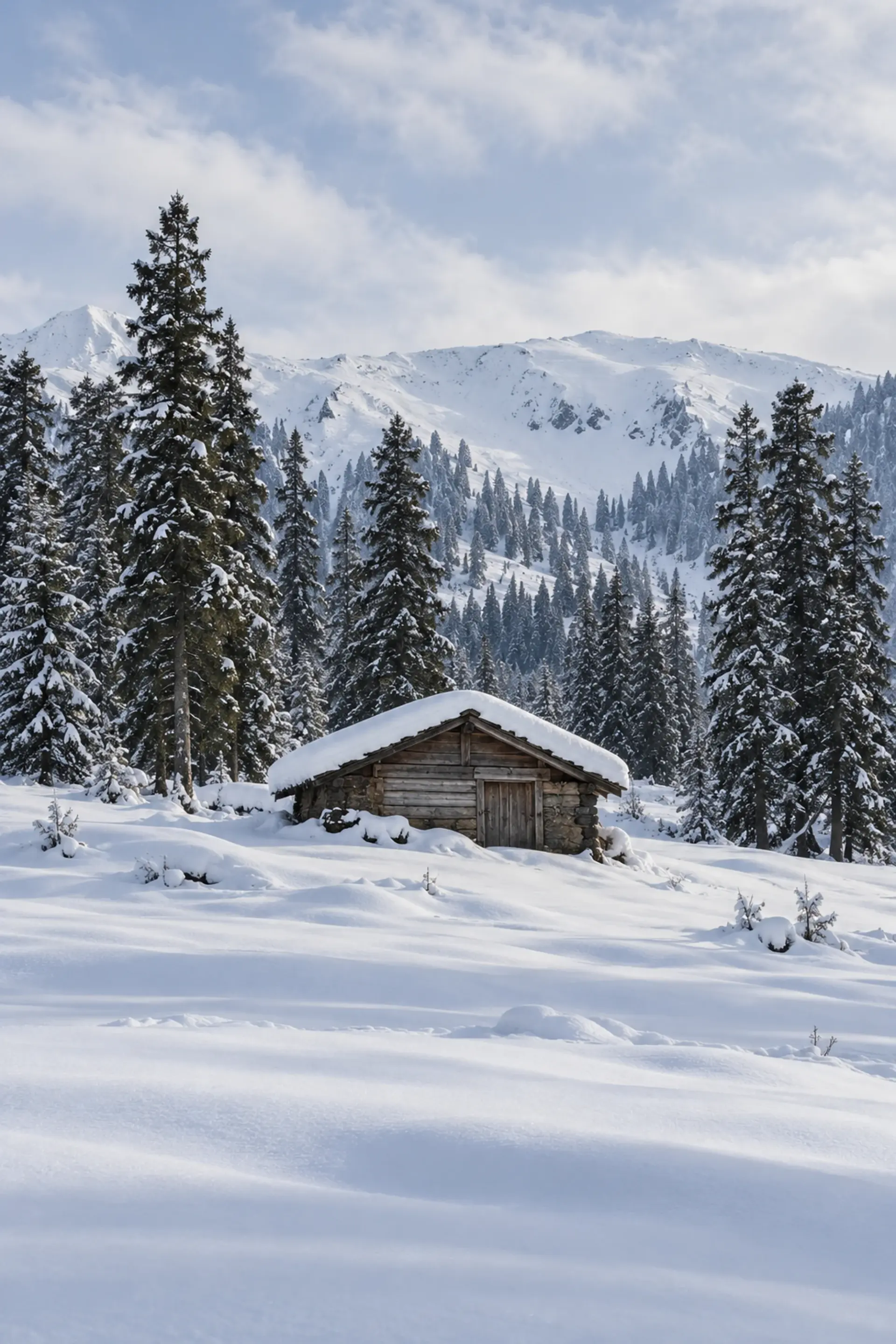
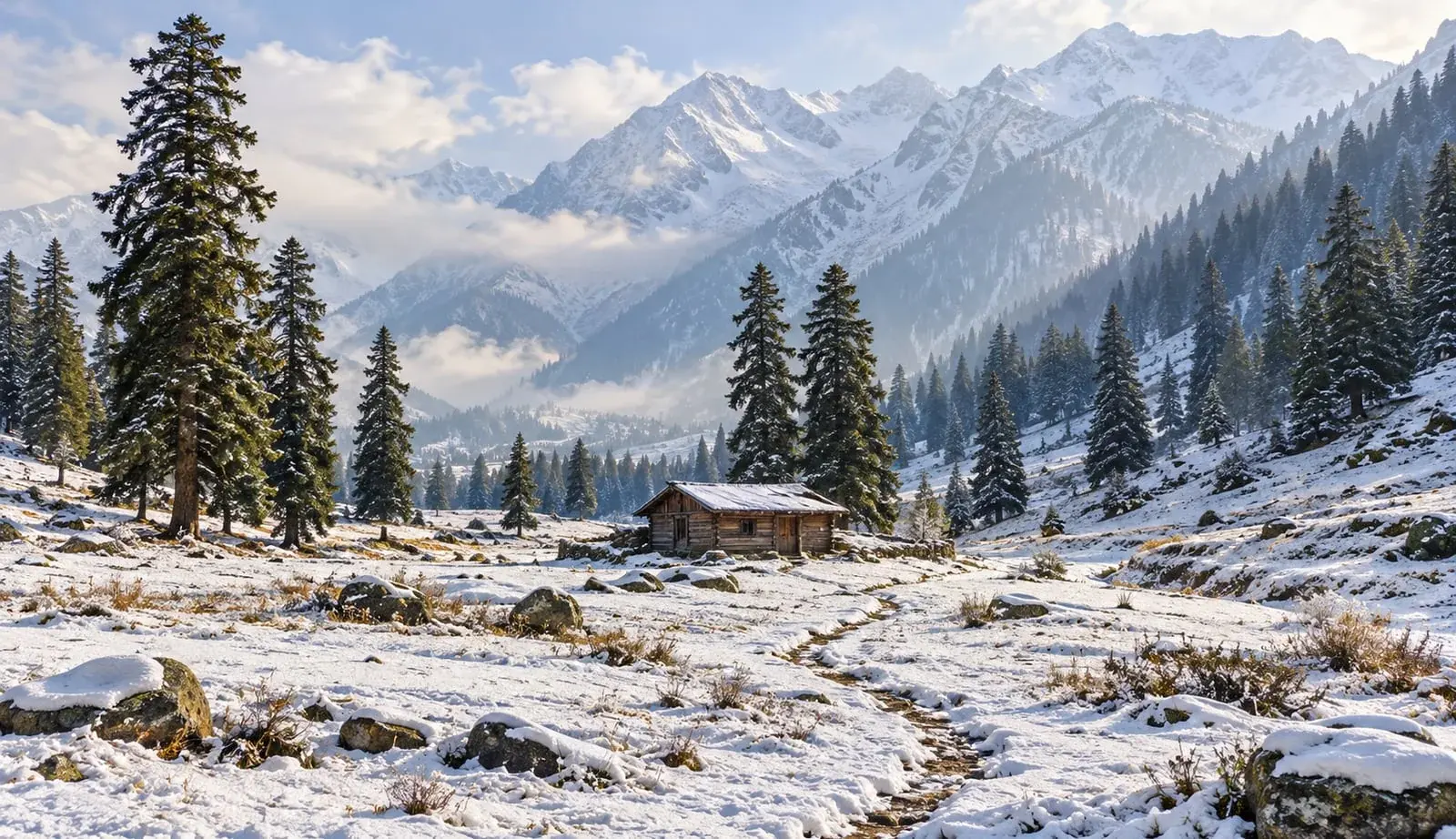
Kashmir winters are serious, especially in Gulmarg, where the December average night low is −4.8 °C (India Meteorological Department, 1991–2020) and January is colder. You will need a down jacket rated for sub-zero temperatures, waterproof snow boots with good grip, thermal innerwear top and bottom, at least three pairs of wool socks, waterproof gloves, a balaclava or woollen cap that covers the ears, and snow goggles or dark sunglasses for glare. Skip cotton altogether in winter — it holds moisture and will leave you colder, not warmer.
Universal Essentials, Every Season
A refillable water bottle, a compact power bank (many houseboats and homestays have limited sockets), a basic first-aid kit with altitude-sickness tablets if you're continuing to Ladakh, moisturiser and lip balm (the mountain air is drying year-round), and a photocopy of your ID for hotel check-ins. Cash matters too — smaller towns like Pahalgam and Sonmarg have limited card acceptance, so carry enough rupees for local purchases and tips.
Our Pro Tip
Pack in layers, not bulk. A single heavy coat leaves you stuck if the weather turns warm mid-trip, while three thinner layers adapt to anything Kashmir throws at you — and they pack down to a fraction of the space. If you are short on luggage room, ask us whether winter gear can be rented in Gulmarg for your dates; rental is not part of the package price unless your package page says so.
The one rule: layers
Mountain weather changes fast, and the temperature can fall by ten degrees between afternoon and evening. A set of thin layers lets you adapt: a base layer, a warm mid-layer and a waterproof shell. This is more useful than a single heavy coat, and it packs smaller. Whatever the season, expect cool evenings, bright sun and a chance of rain, and pack for all three.
Items for every trip
- A waterproof or windproof jacket.
- Comfortable walking shoes with grip, and a pair of sandals or slip-ons for hotels.
- Sunglasses, sunscreen, lip balm and a hat.
- A power bank and a charger; cold drains batteries.
- A small torch for power cuts and evening walks.
- Any regular medicines, with the prescription, and a basic first-aid kit.
- A reusable water bottle and a few snacks for the road.
- A scarf or shawl, useful for shrines and for the cold.
Footwear
Choose shoes with grip: meadows are wet, paths are uneven and snow is slippery. In winter, waterproof insulated boots matter more than any other item. Break in new shoes before you travel, and bring a spare pair of socks for each day on the trail. Carry a pair of flip-flops or slip-ons for hotel rooms and houseboats.
Documents and money
Carry government photo ID for every traveller, since hotels and checkpoints ask for it, and copies of your tickets and bookings. Keep cash for ponies, tea and small shops, as cards and cash machines are patchy in the hills. If your plan includes Ladakh or a border valley, read our permits and ID guide. Keep documents in a waterproof pouch.
Tech and connectivity
Carry a power bank, a charging cable and a multi-plug adapter. Mobile coverage is weak in some valleys, and prepaid SIM cards from other states often do not work in Jammu and Kashmir, while postpaid ones usually do, so check with your operator. Download offline maps and keep important numbers written down.
Health and comfort
Bring any regular medicines, with prescriptions, plus remedies for stomach upsets, headaches and altitude, after talking to your doctor. Carry hand sanitiser and wet wipes. For travel to high places, pack a hat and gloves even in summer, and drink water regularly.
Pack light, pack soft
Vehicles in Kashmir have limited luggage space, and soft bags fit better than hard cases. Leave unnecessary items at home, and use packing cubes to separate clothes by day. A small daypack for each person holds water, a jacket and snacks for excursions.
What not to bring
Leave behind anything fragile, any jewellery you would hate to lose, large hard suitcases that do not fit vehicles, and heavy cotton jackets that stay wet in the rain. Do not bring drones without checking the rules, since they are restricted in many places, or large amounts of cash. Avoid new shoes you have not walked in, and avoid bringing every outfit; the hills reward plain, repeatable clothes.
A short checklist for the night before
- ID, tickets, bookings and any permits in one folder.
- Phone, charger, power bank and cables.
- Layers for the first evening, easy to reach.
- Medicines, with prescriptions, and a simple first-aid kit.
- A bottle, a snack and a small torch in your day bag.
- Cash in small notes for the first day.
Season by season
For the season-specific lists, our guides to Kashmir in winter, summer and autumn give more, and the best time to visit Kashmir guide shows how the weather changes through the year.
Questions travellers ask
What should I pack for Kashmir?
Layers: light clothes for the day, a warm layer for the evening, a rain jacket, sturdy shoes with grip and sun protection. Add thermals, a down jacket and waterproof boots in winter.
Do I need warm clothes in summer?
Yes. Evenings are cool, and the hills are cold even in July. Carry a fleece or light jacket.
Will my mobile work in Kashmir?
Postpaid connections usually do. Prepaid SIM cards from outside the state often do not, so check with your operator and download offline maps.
Should I carry cash?
Yes, for ponies, tea and small shops. Cards and cash machines are unreliable in the hills.
What ID do I need?
Government photo ID for every traveller, since hotels and checkpoints ask for it. Some areas also need permits, which we confirm for your dates.
Written by the TDI Holiday Ventures planning desk in Srinagar. Conditions, fares and rules change: confirm anything that affects your booking with us on WhatsApp before you pay.