Key facts
- Run by
- The Shri Amarnathji Shrine Board (SASB)
- Dates
- Announced each year by the Board; check the official notice
- Registration
- Mandatory, through official channels only
- Health certificate
- Required, from an authorised doctor
- Helicopter
- Seats sold only through the Board's official system
- What we do
- Stays, transfers, rest days and guidance; we do not issue tickets
The Amarnath Yatra is one of Hinduism's most demanding pilgrimages — a journey to the sacred ice lingam inside a Himalayan cave at 3,888 metres, undertaken by over 300,000 devotees each year. Between the registration process, route choice and the helicopter option, preparation matters as much as devotion. Here is what to know before you go.
Yatra Dates and Registration
The yatra typically runs late June to late August, timed to the Shravan month and Raksha Bandhan, though exact dates are announced by the Shri Amarnathji Shrine Board (SASB) each year — check their official notification for 2026 dates rather than relying on last year's calendar. Registration is mandatory and opens roughly two months before the yatra begins, through SASB-authorised bank branches or the official online portal. A compulsory health certificate (CHC) from an authorised doctor must be submitted with your registration — SASB does not accept applications without one.
Two Routes to the Cave
The traditional Pahalgam route covers roughly 46 km over three to five days, via Chandanwari, Sheshnag and Panchtarni, and is considered more scenic but physically longer. The Baltal route is a steeper but shorter 14 km trek, typically completed in a single strenuous day or split across two. Pahalgam suits pilgrims who want a gradual ascent with overnight camps; Baltal suits those short on time and comfortable with a harder single push.
The Helicopter Option
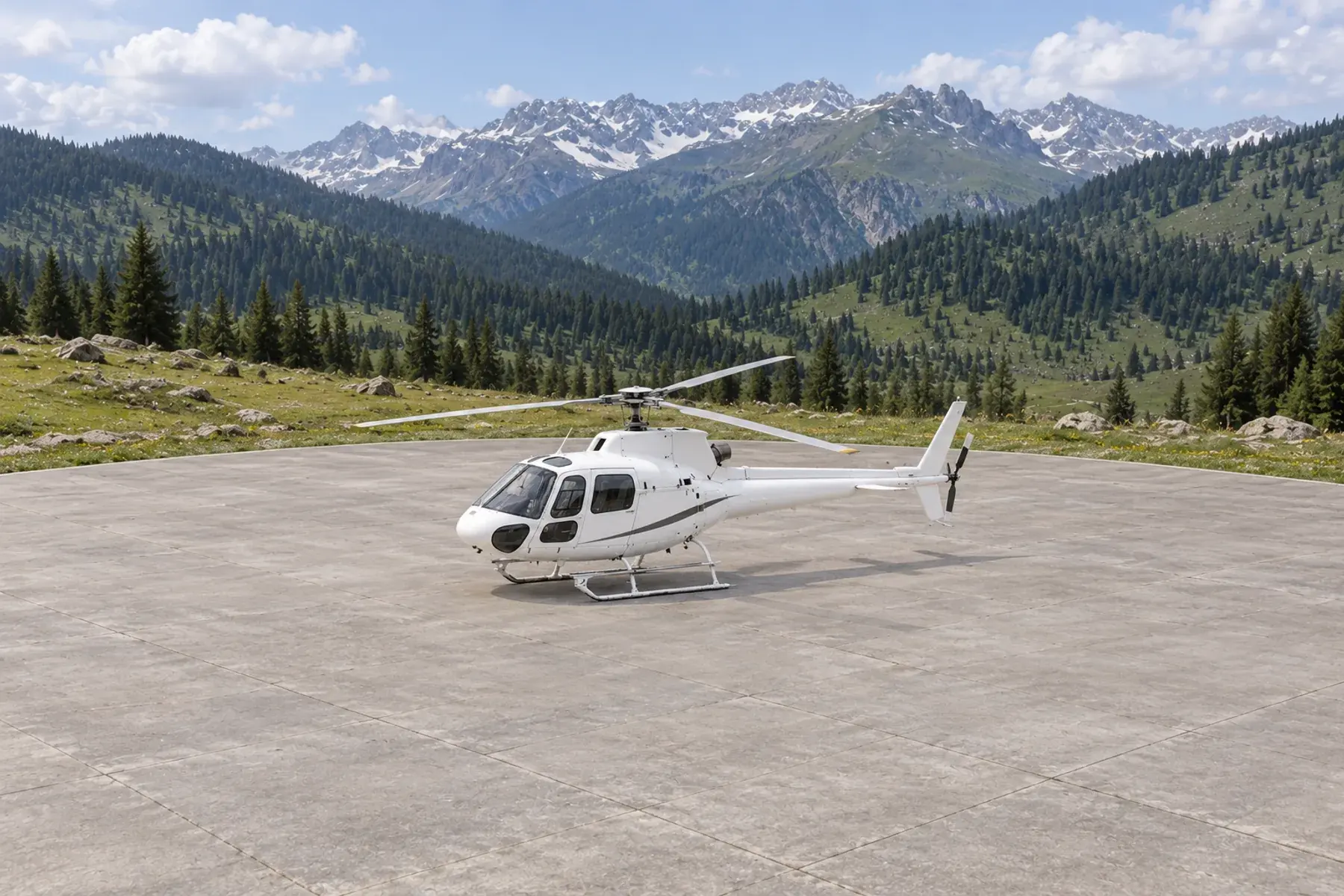
For pilgrims unable to trek the full distance, SASB-authorised helicopter services fly from Baltal and Pahalgam (Neelgrath helipad) to Panchtarni, cutting the walk to the cave down to roughly 6 km round trip. Seats are limited and heavily contested — book the moment the official booking window opens, as popular dates sell out within hours. Be wary of unofficial agents offering "guaranteed" helicopter seats outside SASB's own booking system.
Medical Certificate and Fitness
The compulsory health certificate involves a basic fitness check, ECG, and blood tests, and is only valid for a limited window before the yatra, so time it correctly with your registration. Beyond the paperwork, the yatra genuinely demands fitness — you're walking at altitudes between 2,900 m and 3,900 m, and altitude sickness is a real risk regardless of age. We strongly recommend two to three weeks of walking or light cardio training before you travel, and arriving in Srinagar at least two days early to acclimatise before starting the trek.
What to Pack
Waterproof trekking shoes with ankle support, a rain poncho (mountain weather turns without warning), thermal layers even in July, trekking poles, a headlamp, high-energy snacks, and a personal water bottle. Porters and ponies are available along both routes for those who need assistance, but book them through registered camps rather than informally on the trail.
Accommodation Along the Route
SASB and the J&K government operate langars (free community kitchens) and basic tented camps at key halts along both routes. For more comfort before or after the trek, Pahalgam's hotels — many just a short drive from the Chandanwari base — are the practical base to rest, recover and store luggage you don't need on the trail.
Safety Tips
Never trek alone — travel in a group or with your camp's organised batches. Heed weather advisories; the SASB and local administration frequently pause movement on the route during heavy rain or landslide risk, and those pauses exist for good reason. Carry a copy of your yatra permit and health certificate at all times, as checkpoints along the route verify both.
How We Help
TDI Holiday Ventures assists pilgrims with guidance on the Shrine Board's official registration and helicopter booking steps (we do not issue either), pre- and post-yatra accommodation in Pahalgam and Srinagar, and private transport to Baltal or Chandanwari base camp. Get in touch a few months ahead of your planned yatra dates — the registration and helicopter windows move fast, and early planning makes the difference.
Plan around the official process
The Board announces the dates, the registration window and the rules for each year, and everything else depends on them. Check the official notice first, then plan travel, leave and hotels around it. Dates, quotas, medical requirements and helicopter booking rules can change from one year to the next, so do not rely on last year's pattern or on a friend's account. Our Amarnath Yatra package explains what we arrange and what stays with the Board.
Registration and the health certificate
Registration is compulsory, and the Board requires a health certificate from an authorised doctor. Both have to be completed through the official channels; there are no shortcuts, and agents who offer a guaranteed place are not to be trusted. Allow time for medical tests, and make sure the certificate is valid on the dates you travel. Keep copies of all documents with you throughout the trip.
Choosing a route
There are two routes to the cave. The Pahalgam route is longer, spread over several days, and is considered more scenic. The Baltal route is shorter but steeper. Which suits you depends on fitness, time and age, and the Board and your doctor can advise. Pilgrims who cannot manage the walk may choose the helicopter, which cuts the distance on foot to a short stretch. We plan the stays and the transfers for either.
The helicopter option
Helicopter services run from the two base areas to a point near the cave. Seats are limited, and tickets are sold only through the Board's own booking system, often in a narrow window. Be careful of anyone selling seats outside it. If you are travelling with older pilgrims, plan the helicopter and the rest days together, since altitude affects everyone, and a flexible date is safer than a fixed one.
Fitness and altitude
The route climbs to high altitude, in cold, wind and often rain. Prepare in the weeks before: walk daily, build stamina and have a check-up. On the trek, go slowly, drink water, eat well and rest at the camps. If you feel dizzy, breathless or sick, tell the medical team and turn back. Pilgrims with heart or breathing problems should take their doctor's advice before they decide.
What to pack
- Waterproof shoes with ankle support and a rain poncho.
- Thermal layers, a warm jacket, gloves and a woollen cap, even in July.
- A headlamp, a water bottle, energy snacks and a small first-aid kit.
- Copies of your registration, health certificate and ID, in a waterproof pouch.
Where we fit in
We plan the parts of the journey that are ours to plan: hotels in Srinagar and Pahalgam before and after the yatra, private transfers to the base points and spare days for rest, weather and delays. For the helicopter, our Amarnath helicopter booking page explains how the process works and where tickets come from. Contact us a few months ahead, because rooms and vehicles are limited in the yatra weeks.
Safety and closures
Weather, landslides and security arrangements can pause the yatra without notice. The pauses are for your safety. Keep a flexible schedule, follow the Board's instructions and travel in a group. Do not trek alone, and keep emergency numbers with you.
Questions travellers ask
Who issues Amarnath registration and helicopter tickets?
The Shri Amarnathji Shrine Board, through its official channels only. We do not issue them, but we guide you through the steps.
When does the Amarnath Yatra start?
The Board announces the dates each year. Check the official notice for the current year before you plan.
What do you arrange for the yatra?
Hotels in Srinagar and Pahalgam before and after, private transfers to the base points and rest days, and guidance on the official steps.
Is the helicopter worth taking?
It suits pilgrims who cannot do the long walk, but seats are limited and must be booked through the Board. Plan flexibly and keep rest days.
What if the yatra is paused?
Pauses happen for weather or safety. Keep flexible dates, follow the Board's instructions and we help you adjust your stays and transfers.
Written by the TDI Holiday Ventures planning desk in Srinagar. Conditions, fares and rules change: confirm anything that affects your booking with us on WhatsApp before you pay.