Key facts
Last verified 12 November 2026
| Vegetarian | Ask about dum aloo, haak, nadru yakhni and chaman, and discuss kitchen arrangements before booking |
|---|---|
| Vegan | Possible with a clear brief, because dairy, ghee and honey appear in many dishes |
| Jain | Workable at hotels with notice; the hard part is lunch on the road, so carry dry food |
| Halal | Ask the individual hotel or restaurant about its meat supplier and how it prepares the dish |
| On our packages | Breakfast and dinner are in the package price and lunch is not, so lunch is where your diet needs planning |
| How we plan it | Tell us your diet at enquiry, ask each hotel's kitchen, and keep the reply with your itinerary |
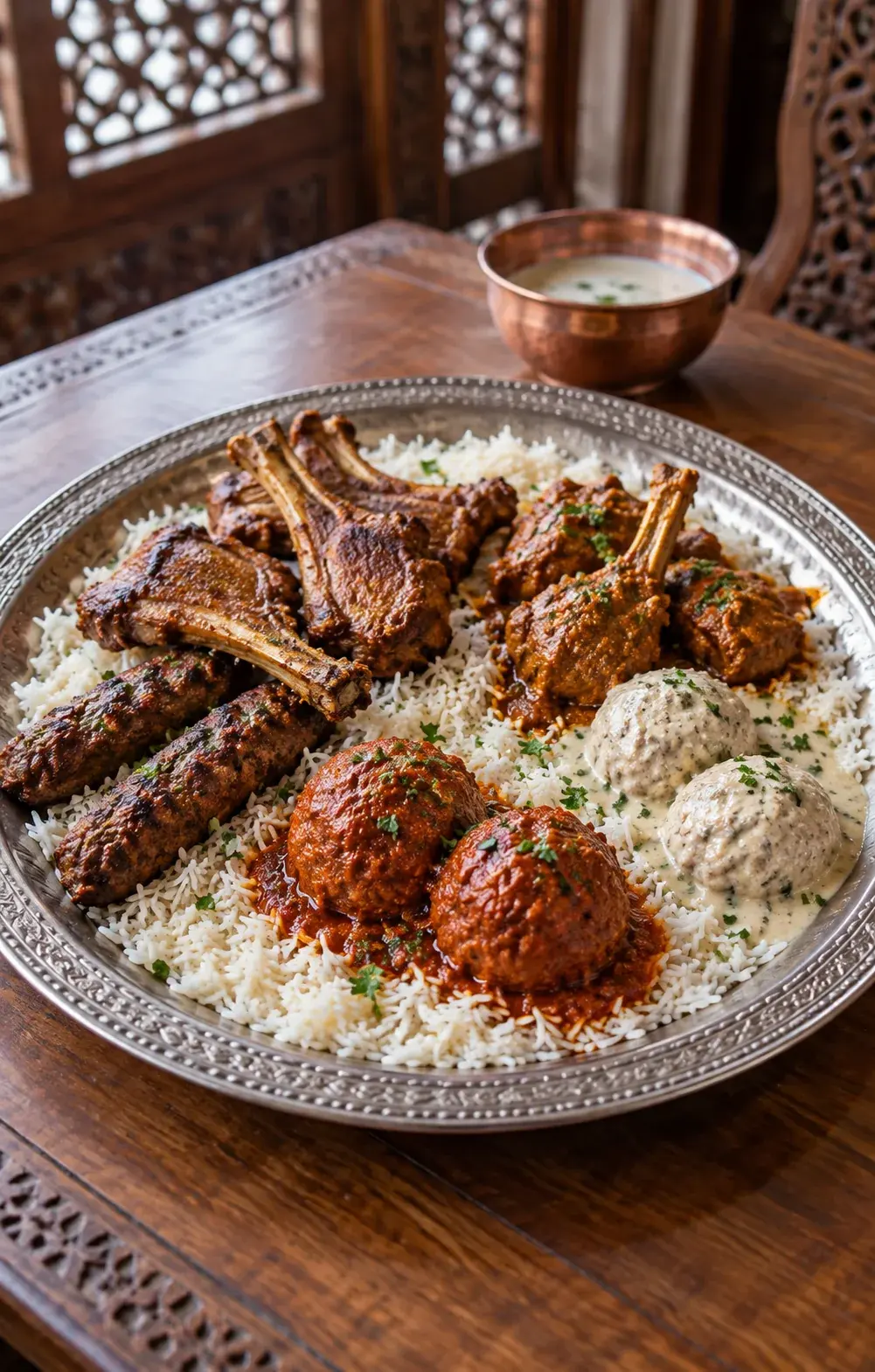
Plan your meals by kitchen and by day. A Srinagar hotel may be able to discuss ingredients before you arrive, while a café stop in a mountain valley is a decision you make on the road. Give each kitchen your own requirements, especially if your party includes a mix of diets. Our Kashmiri food guide covers more of the region's cooking, including the meat dishes at a traditional wazwan.
Can vegetarians eat well in Kashmir?
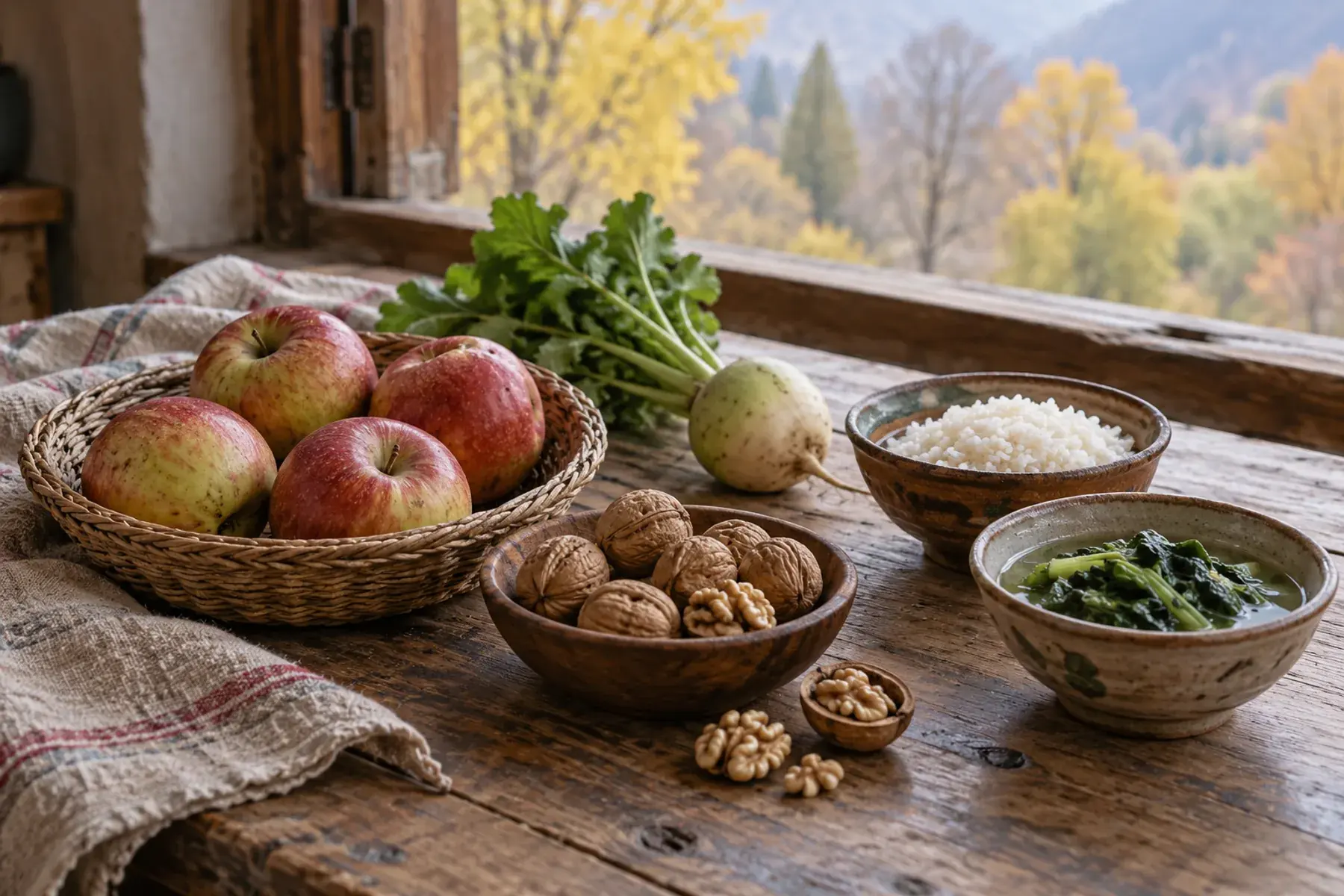
Ask for regional choices alongside familiar North Indian vegetarian meals. Some vegetarian preparations from Kashmiri Pandit cooking use yoghurt, fennel, dry ginger and asafoetida, and a kitchen may prepare them without onion or garlic. Recipes vary, so tell the cook if those ingredients or the utensils matter to you. The dishes in the table give you specific names to ask about.
| Dish | What it is | Worth knowing |
|---|---|---|
| Dum aloo | Baby potatoes cooked slowly in a spiced yoghurt gravy | Contains dairy; rich, and can be fiery |
| Haak | Leafy greens cooked simply, eaten with rice | A daily dish in Kashmiri homes; usually mild |
| Nadru yakhni | Lotus stem in a mild yoghurt gravy | Dairy; one of the dishes visitors rarely forget |
| Nadru monje | Lotus stem fritters | A crisp snack; ask about the batter if you avoid eggs or dairy |
| Chaman | Cottage cheese in a turmeric gravy | Dairy; a mild, comforting dish |
| Rajma gogji | Kidney beans cooked with turnips | Hearty and filling |
| Kashmiri pulao | Rice cooked with saffron and dried fruit | Slightly sweet; may be made with ghee |
| Phirni | Ground-rice pudding, often with saffron | Dairy; served cold |
If you want to eat the famous feast without meat, it can be done: many Srinagar caterers prepare a vegetarian version on request. Our wazwan guide explains how to ask, and our guide to kahwa, noon chai and bakeries covers the tea and bread that fill in the gaps between meals.
Is vegan food possible?
Tell the cook which ingredients to leave out, including milk, yoghurt, ghee, butter, paneer and honey. Ask what cooking fat is used and whether ghee is added just before serving. Check whether a vegetable curry shares a gravy base with other dishes. For a simple order, ask about rice, dal and greens prepared in vegetable oil, then confirm how each is finished.
| Item | Usually suitable? | What to ask |
|---|---|---|
| Rice, dal and plain vegetables | Usually | Whether ghee or butter is added at the end |
| Haak (greens) | Usually | The oil used, and any yoghurt |
| Bread from a bakery | Sometimes | Whether ghee, milk or egg wash is used |
| Kahwa | Usually | Skip the honey, and remember that kahwa usually has almonds |
| Noon chai | No | It is made with milk |
| Dum aloo, nadru yakhni, chaman, phirni | No | They are cooked with yoghurt, milk or paneer |
| Fresh fruit and dry fruit | Usually, when plain | Any glaze, nuts or shared serving utensils that matter for your diet or allergy |
How do Jain travellers manage?
Jain diets differ between families and traditions. Most exclude meat, eggs, onion, garlic and root vegetables, and many avoid eating after sunset. Tell us exactly what applies to you, rather than the word 'Jain' alone. Our Gujarat page says we provide Jain and vegetarian meal options, and what that means on any night depends on the kitchen at that hotel, so ask the hotel and note the answer before you pay.
- Breakfast and dinner at the hotel or houseboat are the easy meals: give the kitchen notice and a short list of what you do not eat.
- Ask for an early dinner if you do not eat after sunset. Sunset comes early in the cooler months.
- Ask whether your food is cooked in a separate pan. Kitchens that cook meat and onion-garlic dishes may not be able to keep a separate pan, and it helps to know before you arrive.
- Lunch on a sightseeing day is the hard meal: roadside cafés in the hill resorts serve vegetarian thalis but rarely Jain food.
- Carry dry food for those days: thepla, khakhra, puffed rice, biscuits, nuts and fruit. Ask the hotel to pack a lunch the evening before, and tell your driver you will eat at a fixed time.
Is the food in Kashmir halal?
Ask the person responsible for the kitchen whether the meat in your dish comes from a halal supplier and what proof they can provide. If your requirements include separate preparation or avoiding alcohol in sauces, say so. Ask about the individual venue when availability of pork or alcohol matters. Tell us if you want the day planned around prayer times and a lunch stop.
Where is the hardest meal on the trip?
Lunch, almost always. Hotels and houseboats cook dinner for guests who have told them in advance, but lunch happens wherever the sightseeing day finds you. The table shows how choice narrows as you climb.
| Place | What to expect | Advice |
|---|---|---|
| Srinagar | The widest choice: hotel dining rooms, houseboats and city restaurants | Ask us for suggestions suited to your diet; see hotel booking in Srinagar |
| Gulmarg and Pahalgam | Hotel dining rooms and a few cafés and stalls | Ask your hotel for a packed lunch, and carry snacks |
| Sonmarg | Small roadside eateries with a limited menu | Carry food and eat before the climb to the glacier trail |
| Doodhpathri and Yusmarg | Very few eateries, mostly stalls | Treat it as a picnic day and pack lunch from the hotel |
| Gurez | Meals at the guesthouse or homestay or camp | Tell the host your diet before you set out |
How should you brief the hotel kitchen?
- State what you eat and what you do not eat in a short list: meat, eggs, fish, dairy, onion, garlic, root vegetables, honey.
- State allergies separately, especially nuts, which are in many Kashmiri sweets and in kahwa.
- Say how strict you are about shared pans and utensils.
- Give the number of people on each diet, since a group is often mixed.
- Give the timing: an early dinner, a packed lunch or a mild breakfast.
- Ask for confirmation in writing, and ask again the day before.
Keep an allergy separate from the group's dietary preferences. Call the venue before booking and speak directly to the kitchen or duty manager. Ask how your dish will be handled in the kitchen and whether ingredients, prep surfaces, utensils or cooking oil could bring it into contact with the allergen. Repeat the request when you order and ask whether the ingredients have changed. Choose another meal if the venue cannot answer clearly or cannot meet your needs.
For a mixed group, write each person's needs beside their name and repeat them at each hotel change. A vegetarian meal for one guest, a meal without onion or roots for another and a nut allergy are separate requests. If the kitchen packs lunch for several people, ask it to label the containers and keep any meal that needs separate handling apart. Agree on a fallback stop or food you can carry for the longest sightseeing day.
What does our meal plan cover?
Our packages, such as the 4N/5D Kashmir Classic, include daily breakfast and dinner on a half-board basis. Lunch is not included, so it is yours to choose, and the table above shows where to plan ahead. A houseboat stay such as our Dal Lake houseboat has its own kitchen; tell us your diet early and we pass it on. Our guide to meals on a Kashmir tour explains the meal plans in more detail, and our family trip guide covers what to bring for children.
What is the next step?
Send your dates, the number of travellers on each diet and any allergies through our contact page. Ask what each hotel can do for your diets; nothing is promised until it is confirmed.
Questions travellers ask
Haak with rice, rajma gogji or a preparation of lotus stem gives you a few regional choices to discuss with the kitchen before ordering lunch. Ask about the stock, cooking fat and garnish for the preparation you choose. Select a simpler combination if the staff cannot explain the original dish.
Kashmiri dum aloo often uses a spiced yoghurt gravy, so a potato dish can still contain dairy and taste hotter than the group expects for lunch. Ask the kitchen how its version is prepared. A simpler greens and rice order may work if the potato dish does not suit you.
Nadru yakhni uses a yoghurt gravy, while nadru monje is a fritter whose batter and frying oil need checking separately if the group has ingredient restrictions. Ask whether dishes use shared preparation equipment where that matters. Choose the preparation the kitchen can explain for the actual order.
Chaman is made with cottage cheese, while phirni is a ground-rice pudding typically made with dairy, so each can matter even when ordered separately from the main meal. Ask what the serving actually contains before ordering. Request an alternative with ingredients the kitchen can confirm for you.
Rice, dal and greens can make a vegan meal if the kitchen uses vegetable oil and leaves out animal ingredients during preparation and serving. Ask about ghee or butter added at the end. For dal and greens, check the cooking fat and finishing ingredients separately.
A shared base can already contain yoghurt, other dairy or ingredients you avoid, even if the visible vegetables and garnish look suitable for your diet at first. Ask how the kitchen builds the gravy and finishes the dish. Choose something with a preparation the staff can verify if the base is uncertain.
The baker needs to confirm the dough, glaze and serving additions, since milk, ghee or egg wash can be part of a bread even without butter on top. Ask about the current batch you are buying. Choose fruit or another confirmed option if the preparation cannot be explained.
Noon chai uses milk, while kahwa can contain honey and bread can use dairy or egg, so confirm the ingredients of the actual breakfast order with staff. Ask whether the kahwa is already sweetened. Request a different bread or drink if the kitchen cannot meet the order.
The rice can be prepared with saffron and dried fruit but may still use ghee, so ask what cooking fat is used and whether more is added when served. Check any garnish separately if it matters. Compare it with plain rice prepared as you require if the recipe cannot be changed.
Plain fruit can be a useful backup, while prepared or dried items deserve a check for glaze, added nuts and shared utensils if these affect your needs. Read the package or ask how a loose item is served. Keep a suitable choice accessible during a longer drive.
The kitchen needs each person’s exclusions, including whichever restrictions apply to onion, garlic, root vegetables, eggs or other ingredients, because Jain practices can vary across households. State any timing requirement separately. Ask the property what it can confirm on the nights you will actually be staying there.
The actual hotel needs a serving time that meets the traveller’s requirement and fits the group’s drive or boat crossing back to the property that evening. Confirm both the preparation and what time it can be served. Arrange an alternate meal if the return timing might not work.
Some regional dishes can be made without onion or garlic, but the diner still needs to confirm every other ingredient and the utensils used for that order. Root vegetables and cooking fat may have separate requirements. Tell the kitchen exactly which preparation you can use before reserving the meal.
The person responsible for the kitchen should confirm the meat supplier and whether they can substantiate the preparation of the actual dish you intend to order. Ask about separate handling or alcohol in sauces if either matters. Confirm each venue rather than generalising from another meal on the trip.
A planned lunch stop and enough time for prayers can be built around the actual driving day if you give the planner both requirements before fixing the pickup. Ask the chosen venue about its preparation. Keep a second stop available if the route or opening time changes.
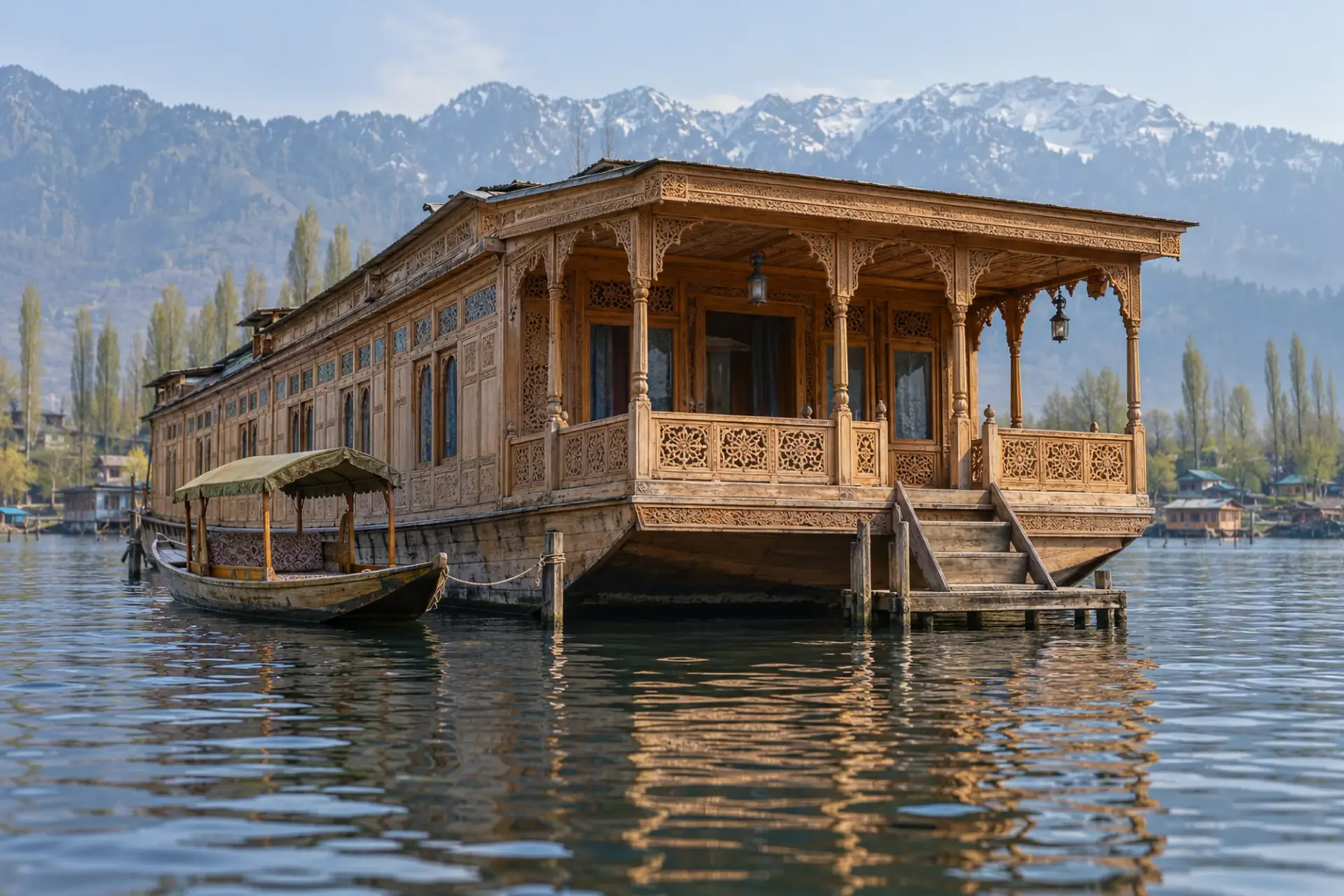
The houseboat has its own kitchen, so give the host the guest’s ingredient restrictions and desired meal time before booking the lake night, even if a city hotel agreed earlier. Ask when that kitchen can serve the confirmed meal. Make sure the shore crossing fits the timing if you eat elsewhere.
Standard half-board packages usually arrange breakfast and dinner at the stay, while lunch happens where the group is sightseeing, with fewer choices on some higher valley drives. Check the inclusions for the package you chose. Plan an advance order or suitable packed meal for a day with limited options.
A packed lunch is useful when the day’s cafés and stalls cannot confirm the intended diet or the drive leaves little time for a separate stop. Ask the accommodation what it can prepare and when to collect it. Tell the driver where the group needs a break to eat.
These outings can leave a narrower choice of roadside meals, so arrange suitable food and water beforehand and decide where it is practical to stop with the vehicle. Confirm your particular route rather than assuming a stall is open. Price a packed lunch separately if the package leaves lunch to you.
The guesthouse, homestay or camp should confirm how it can feed each traveller before departure, because the accommodation may be where the group expects to eat. Give the actual restrictions and the nights you booked. Keep an alternative food option if the host cannot meet part of the request.
The kitchen should explain shared surfaces, equipment, ingredients and oil, because contact can occur even when the recipe itself does not list the allergen you avoid. Ask the person responsible and repeat the request before ordering. Use another meal option if they cannot clearly confirm how they handle it.
A change of recipe or supplier can alter ingredients and preparation, so a previous answer from the kitchen needs to be checked against the actual meal being served. Ask who is responsible for confirming it that day. Choose a different meal arrangement if the details remain unclear.
Each portion should be labelled and the kitchen should explain how any meals requiring separate handling were kept apart before the group leaves the property. Keep an allergy distinct from general preferences when sharing the list. Use the fallback meal if the expected handling cannot be confirmed.
A separate vegetarian selection can work if the caterer confirms the dishes, timing and preparation for the intended guest before arranging the shared meal for the others. Check whether it is a different menu or a few individual dishes. Ask about separate utensils and costs where relevant.
The planner needs the dates, how many travellers have each requirement, any allergies and which lunches or early meals will need an arrangement on the actual route. Ask for kitchen replies from every property in writing. Confirm the booking only after the relevant venue explains what it can do.
Editorial check
Facts last verified 12 November 2026. Confirm current conditions, fares and rules before booking.
Updated