Key facts
Last verified 12 November 2026
| Starting point | Pahalgam is the usual road approach |
|---|---|
| Short visit | Ask which village and meadow areas are accessible and agree on a return meeting point |
| Longer outing | Check access for the specific route and ask about guide arrangements |
| What to bring | A layer, weather protection, water, a snack and shoes with grip |
Status note, checked 12 November 2026: Anantnag district lists Baisaran meadow in Pahalgam as closed in its 7 July 2026 notice. Check the latest district advice before planning a visit. See our Kashmir travel safety guide for access updates.
Check access and plan a village visit or meadow walk before setting out from Pahalgam.
Start with the road from Pahalgam
Pahalgam is the usual road approach to Aru. Before leaving town, check access for that day and ask who can take you on the route. If your main vehicle stops in Pahalgam, arrange the onward ride and the return point before you set out. Leave enough time to get back before your next commitment.
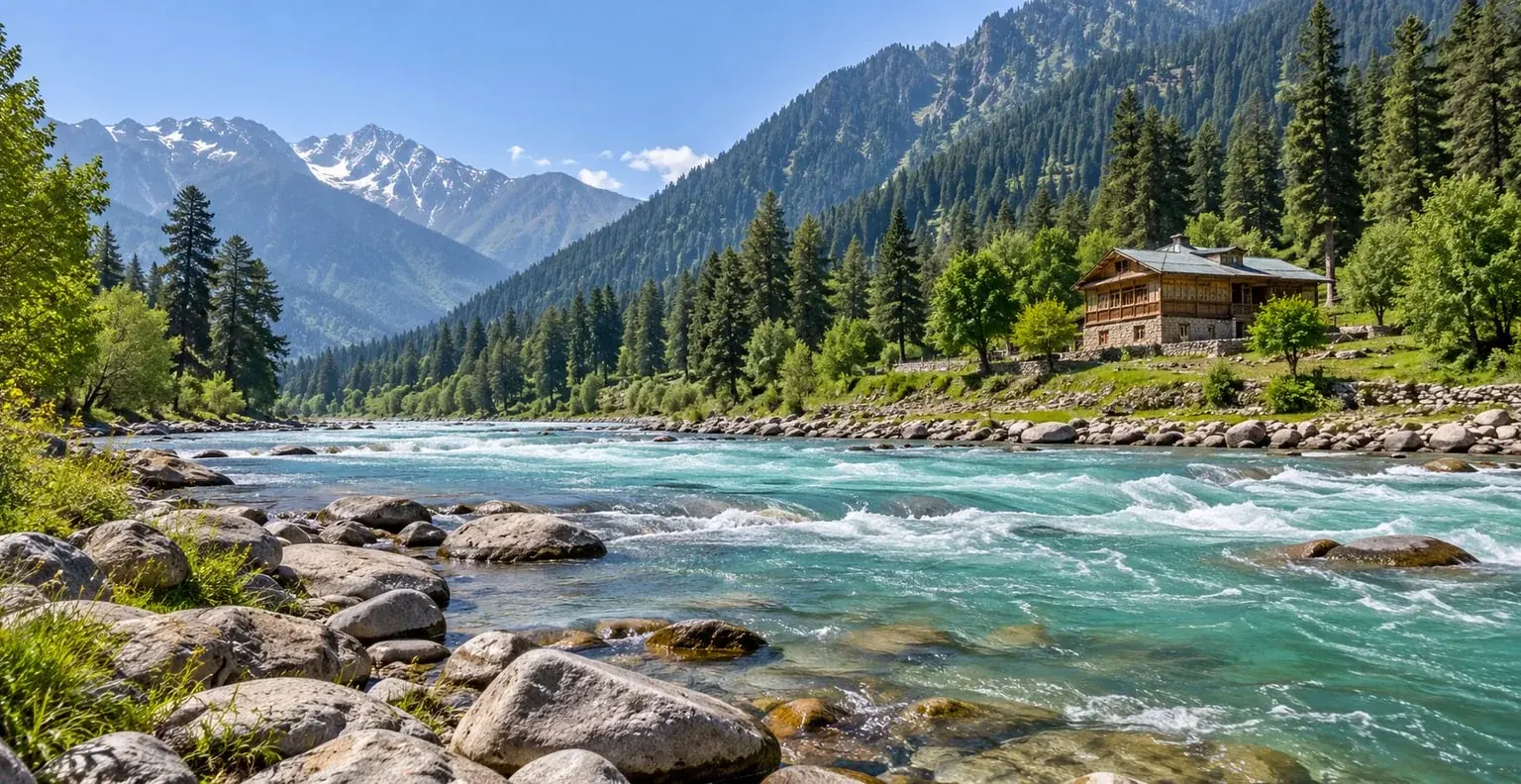
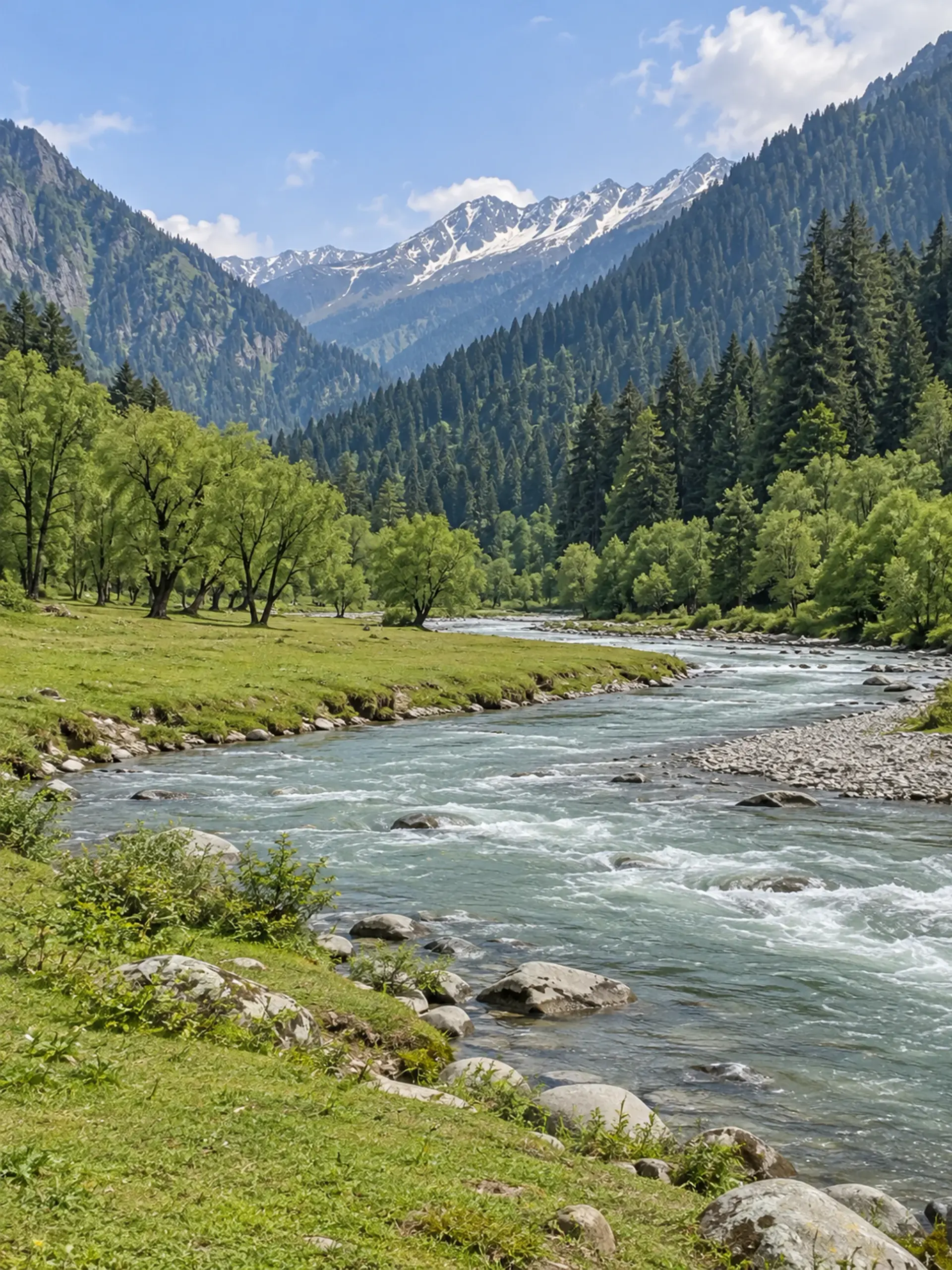
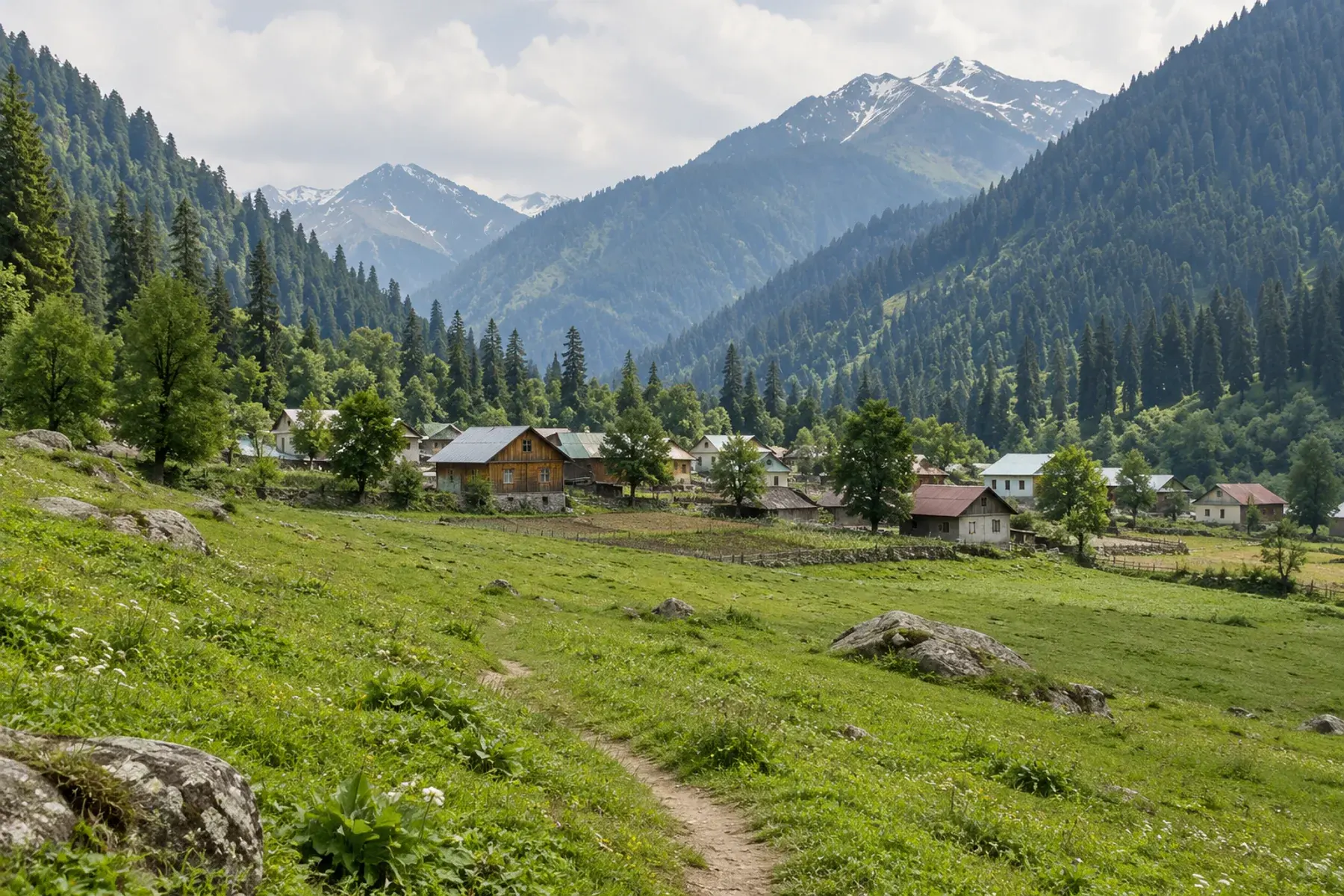
Allow around 30 minutes for the road leg in ordinary conditions, plus the time to switch vehicles and meet the driver. The road follows the Aru River through pines on the way up. Agree whether the driver will wait in the village or come back at a fixed time. Ask what the fare covers before departure, including the return and any waiting. Write down the pickup point before heading into the meadow in case the phone signal drops.
Before setting off from Srinagar, decide whether you want enough time to go beyond the village or whether you are combining the outing with a hotel arrival. A Pahalgam overnight makes a slower visit easier. If you are already staying there, start by asking your host where the current road vehicles leave and where you can meet one on the way back. Our Kashmir distance chart helps you compare the larger road legs.
Choose how far you want to walk
A village visit and a walk near the meadow make a simple outing if those areas are open. Pick a turnaround point that works for the least mobile traveller. For a longer trek, ask about permission, trail conditions, weather and a guide. See the Aru Valley destination page for local planning and our Great Lakes trek guide if you are considering a separate multi-day route.
For a village outing, leave time for a look around the houses and a stop at the meadow edge. Ask where visitors may walk, keep away from herds and ask before photographing residents. The riverside may be a good place to pause where there is a firm, open path. Turn back before a rough section if someone is tired or the ground is slippery. Pack out food wrappers and keep the driver informed if you change the return time.
For a pony ride, check the actual path and whether there is a way to get back early. Ask the handler to show where riders mount and dismount and confirm the return charge before setting off. If the ground is slippery or you feel unsteady when mounting, choose the village walk instead. Keep the walking party and riding party on an agreed schedule so everyone can find the same vehicle back.
Check Lidderwat, Kolahoi and Tarsar–Marsar separately
Aru is a starting point for routes towards Lidderwat, Kolahoi Glacier and Tarsar–Marsar. A village road opening gives no confirmation of access to these routes. Ask about the exact trail, the permission it needs, recent conditions at any river crossing and the point where you would turn back. If the outing needs a guide or an overnight stop, agree who supplies the equipment, where the party plans to sleep and how it will leave early if conditions change.
Leave time and space for the weather
Pack a warm layer, rain protection, water and food you can carry back out. Wear shoes that can handle wet ground. Keep enough time to shorten the visit if the weather changes.
For spring or summer, decide on the walk after you see the meadow surface. A sunny stretch can still have wet grass or a soft bank. For autumn, go early enough to return in daylight if the day cools or cloud settles. Snow changes the drive and the walking surfaces in winter. Confirm the road before leaving and ask your host whether a short stop is practical with your footwear and the mobility of the group.
Bring sun protection, a charged phone and an offline copy of the route and meeting point. Carry a payment alternative and enough drinking water for the visit. Ask in town about toilets and food before counting on either at the turnaround. Keep a riverbank walk on firm ground and turn back if the marked path is flooded or visibility worsens. Our packing guide has more on layers and phone preparation.
Fit Aru into a Pahalgam stay
Start with one valley visit if you want time to walk and eat without watching the clock. Keep a town outing in reserve in case road conditions change. Compare Betaab Valley and use our Pahalgam itinerary to decide which outings fit. See the Pahalgam destination guide and hotel guide when choosing a base.
For a gentle morning from town, have breakfast before the drive, spend the main part of the visit around the village and leave the return open until you see how the ground feels. Book lunch back in Pahalgam if the family wants a known meal stop. Keep a second stop flexible if anyone needs to get back for rest or an onward transfer.
The district closure notice lists Chandanwari, Baisaran and Tulian Lake. Leave those off your Pahalgam route until reopening is confirmed. If your party wants a full valley day, confirm Aru and Betaab as separate stops, with time in between to return to Pahalgam or change vehicles. If an access check fails, a riverside or market stop in town can still fit before the drive back. Save the Kashmir travel safety guide for the wider access plan.
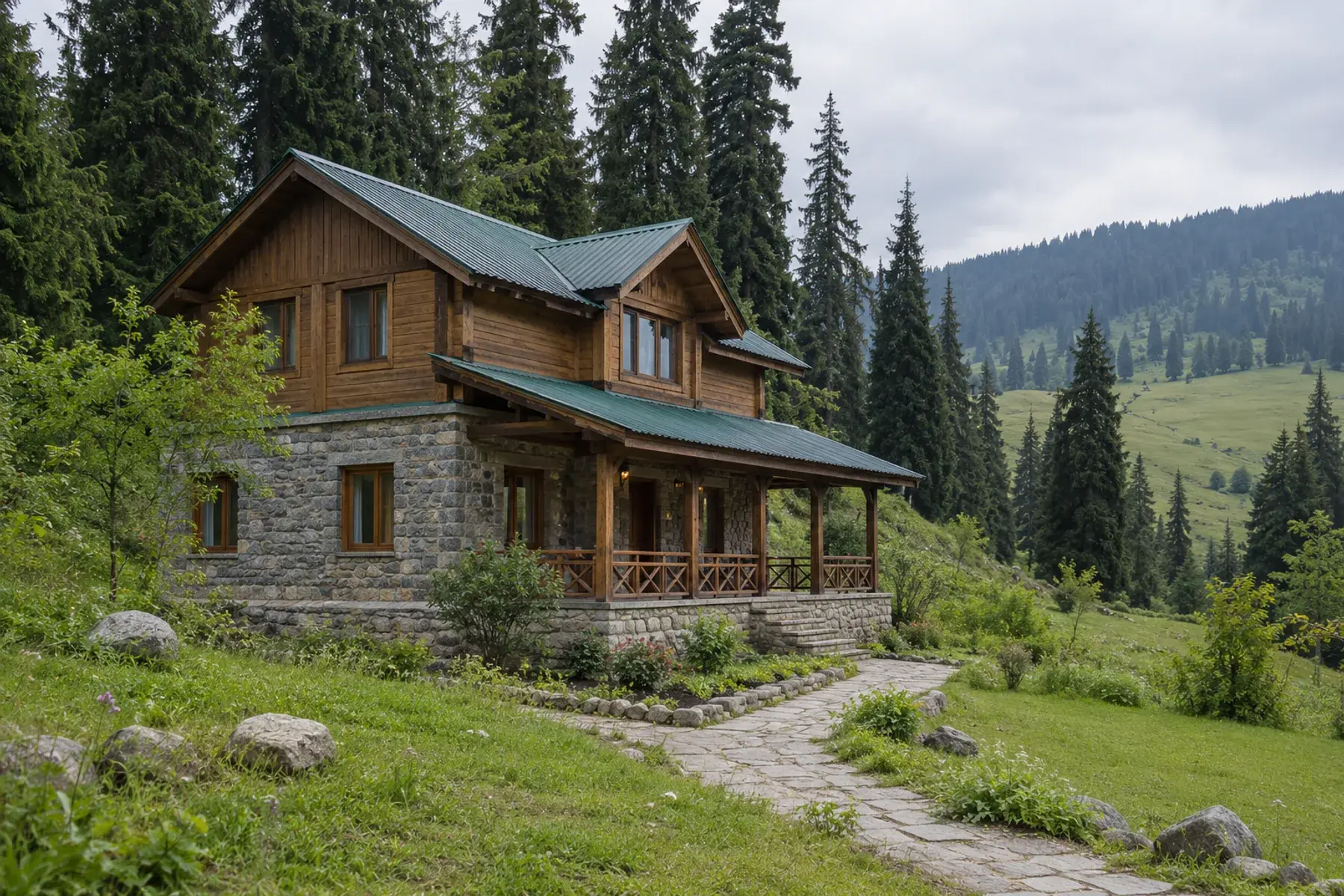
If you are considering an Aru guesthouse, check the address against the point where your vehicle can stop. Ask whether meals, hot water and room heating are available for your date. Confirm whether the room is reached by steps and how you would get back to Pahalgam early the next day. A town room keeps more options open if anyone needs to shorten the visit. For an overnight in the village, keep the approach and return arranged before taking bags up.
Questions travellers ask
A short stop suits travellers who want to spend time near the village and meadow edge before returning to Pahalgam for a fixed commitment. The longer version needs spare time to confirm paths and walk at your own pace. Decide which version you want before arranging a fixed return pickup.
Vehicle handover time should sit outside the drive estimate, since a switch in Pahalgam adds time for finding the driver, transferring bags and agreeing where to return. Leave a margin between the two pickups. A confirmed meeting landmark helps both drivers distinguish the transfer from the main village road journey.
The estimate describes the drive in ordinary conditions, while delays can arise from checking access, waiting for transport or adjusting the visit when conditions change. Avoid using it as the entire time allocation for the outing. Budget time to meet the vehicle again and make the next commitment after returning to town.
A practical gathering place is somewhere the onward driver can identify and reach, with enough time to regroup before the party leaves together for Aru. Confirm a landmark with the driver instead of assuming reception at the hotel works. Send its name to everyone who is meeting there from different places.
A different return location is workable when everyone knows the exact landmark and can reach it from the planned walk without taking an unfamiliar route. Record the departure and return points separately so nobody assumes they are the same. Identify which one to use if the outing ends earlier than expected.
That depends on whether the driver and vehicle are staying and what has been agreed about storing your bags while you are away from the pickup. Confirm the arrangement before opening up the day's walking plan. Carry anything needed for the walk and arrange a different handover if the vehicle has to leave.
A short visit stays short when you identify the village or meadow edge as the limit and decide where to turn back before anyone follows a longer path. If the marked surface becomes uneven, stop and reassess. Give the driver a return window based on the short route you expect to use.
A riverside walk needs an open route and firm footing, with a clear place to turn around before the bank becomes too rough or wet. Ask locally which portion visitors may use. Move away from the river if the approach is slippery, flooded or unclear rather than relying on an older route note.
The meadow is a working landscape as well as a visitor stop, so stay on the allowed route and leave room for animals and their handlers. Ask before stepping into a field or photographing people working nearby. A quieter pause by the established path can give the group time to enjoy the setting.
Changes are easiest when they stay within the agreed pickup window and still bring everyone to the same meeting landmark, even if the walk itself becomes shorter. Tell the driver if you want to leave earlier instead of assuming the vehicle can return on demand. Keep the original pickup unless a replacement is confirmed.
A mixed party should agree on one return window and an accessible meeting point before the walking and riding groups split for their separate outings. Ask the handler whether the ride starts and finishes in the same place. Tell the walkers where they can wait if the ride cannot follow the original timing.
The most useful time to ask about food or toilets is before leaving Pahalgam, when the driver or accommodation host can describe what is practical that day. Carry enough for your own break if there is no confirmed stop. Plan to finish at an accessible meal location rather than relying on your turnaround point.
An afternoon stop fits only when the highway arrival leaves time to change vehicles if needed, reach the village, and return without squeezing hotel check-in or daylight. Decide whether the walk itself is worth doing in the time available. If not, leave the meadow for a morning with more flexibility.
A low-effort stop works best near the town pickup or accommodation so it can be dropped without creating a new drive if the Aru return runs late. Pick something like a short town stroll instead of another scheduled valley transfer. Check how the group is feeling before fixing a second start time.
A two-valley day needs a practical transfer between the visits, including time to return to town or change vehicles if your first ride does not continue. Keep meal time and a contingency in that interval. If either access check changes, make the confirmed outing the main stop instead of rushing both.
For a large party, the essential road note is how everyone can complete the onward stretch and still meet for the shared return from the village. Check whether the proposed vehicle can use the route under the current arrangements. If trips have to split, give each group a named meeting point and time.
An Aru route note is a starting description, so a walk towards Lidderwat still needs current checks on access, the intended distance and any turnaround point. Tell your walking leader how far the group wants to go and whether it expects to return the same day. Have a shorter village option ready if the trail is unsuitable.
A Kolahoi enquiry needs the exact trail aim, experience of the group and arrangements for the route, while a village pickup ends at the agreed road location. Mention the planned overnight stages if relevant and ask about the return point. Keep the walk arrangements separate from what the car booking includes.
A short village outing needs weather, water and footing essentials for the day, while a longer trek calls for a separate look at equipment and overnight arrangements. Ask the trek leader which supplies are carried by the operator and which stay with you. Keep anything needed before the next halt within reach.
A river crossing should be assessed for the actual trail and current conditions before you commit to a long route, especially if the return uses it too. Ask your guide what alternative is available if the crossing is unsuitable. Start only with a plan everyone understands for shortening or turning back.
Cloud can reduce visibility or change the pace of the walk, so a firm deadline makes it sensible to keep the route close to your pickup. Reassess before going into rougher ground. If conditions shorten the walk, return to your meeting location and make the next leg from Pahalgam with room to spare.
An Aru path that looks accessible from the road may still have soft patches or slippery banks after rain, so decide on the distance when you see it. Stay where the footing is firm and use the first rough stretch as a chance to turn back. Leave the longer route for conditions that suit the group.
The key detail is the actual distance and surface between the vehicle stop and your room, including steps you or your travelling companions need to manage. Ask the host what happens with bags after unloading. Confirm the departure point as well if anyone is taking an early ride back to town.
An onward departure is easier to protect if you agree the village pickup before staying overnight and allow time for any handover back in Pahalgam. Ask the host where the car can stop and confirm where your bags will be loaded. Be especially careful with a fixed appointment or onward ticket.
For an Aru village morning, compare the road time and what the group can reach from its drop-off. A trek adds a named route, a starting point and enough time for the slowest walker to return. Start with your overnight base and work back from any fixed departure.
Editorial check
Facts last verified 12 November 2026. Confirm current conditions, fares and rules before booking.
Updated