Key facts
Last verified 12 November 2026
| Advisories | Check the advice for your passport, including any specific exception |
|---|---|
| Anantnag closures | The 7 July 2026 notice lists Baisaran, Chandanwari and Tulian Lake among closed sites |
| Kulgam closures | Aharbal and Kausarnag are listed as closed |
| Leh approach | A road trip from Srinagar starts in Jammu and Kashmir |
| Emergency help | Call 112 for an emergency in India. Srinagar lists 181 as its women's helpline. |
Start with the travel advisory and your insurance. Then check each road and stop on the itinerary. A hotel accepting bookings tells you that a room is available. The conditions that apply to your journey need their own checks.
Is Kashmir safe to visit now? What do the official advisories say?
Compare the guidance that applies to you. The advisories cover Jammu and Kashmir, including the main tourist areas, with different wording and exceptions.
| Country | Advisory for Jammu and Kashmir | What to check |
|---|---|---|
| United Kingdom | The UK advises against all travel to the Union Territory of Jammu and Kashmir. | The exceptions are air travel to or from the city of Jammu and travel within Jammu city. The advisory warns that travelling against its advice could invalidate insurance. |
| Canada | Canada advises avoiding all travel to the Union Territory of Jammu and Kashmir. | The advice for Jammu and Kashmir excludes the separate Union Territory of Ladakh. Check the route as well as the final destination. |
| Australia | Australia advises against travel to the Union Territory of Jammu and Kashmir and the India–Pakistan border. | Check the current border and regional guidance before planning the approach. |
| United States | The United States advises against travel to Jammu and Kashmir, with an exception for eastern Ladakh and Leh. | Check the latest conditions for the route and any place near the border. |
Give your insurer the full itinerary, including the airport, overnight towns, day trips and any transfers by road. Ask which parts of your cover still apply if you travel under an advisory. Check medical care, emergency transport, cancellations and the conditions for a change of route. Save the reply alongside the policy and booking terms.
Read the regional entry and any exceptions for the way you will actually travel. An airport transfer and an overland route can pass through different places. If the advisory changes after you have booked, ask your airline, accommodation and insurer what the change means for your reservations. Record the check date, the route they assessed and any written terms for moving or cancelling the booking. A short answer about Srinagar alone may leave the road and side trips unresolved.
Travellers in the same group may hold different passports or insurance. Give each traveller time to check the guidance that applies to them. The point of departure, route and insurer can affect the decision. Share a list of the districts and nights with everyone, including anyone joining the group later. If an advisory exception is important to your plans, confirm how it applies before paying for a transfer or timed activity.
What happened in April 2025, and what has changed since?
The attack near Pahalgam on 22 April 2025 killed 26 people. Access decisions since then have varied by site. Check the current notice for the place you want to visit before relying on an older closure or reopening announcement.
Use reports about past events to understand why a route may be reviewed. For the trip you are booking, look for the current notice for that district, the road you will use and the exact attraction. A notice may refer to a part of a valley, a gate or an access road. Ask your driver to name the place they can reach and your accommodation to confirm any arrival instructions. Read the full notice before drawing a conclusion from a headline, screenshot or forwarded message.
Are the tourist places open? Area by area
| Area | What to check before going |
|---|---|
| Srinagar | Check access and opening for the specific garden, old-city stop or jetty. See our Srinagar and Dal Lake guides when planning a day. |
| Gulmarg and Sonmarg | Check the road separately from the gondola or walking route. Read the Gulmarg guide, gondola guide and Sonmarg guide for route details. |
| Pahalgam and Anantnag | The 7 July 2026 notice lists Baisaran, Chandanwari and Tulian Lake among closed sites. The notice shows an end date of 31 December 2026. Confirm reopening separately. See our Pahalgam, Betaab Valley and Aru Valley guides. |
| Kulgam | Aharbal and Kausarnag are listed as closed. Check the current district listing before planning either stop. |
| Gurez | Check Razdan Pass, local access and any vehicle restrictions. Use the Gurez guide for the road and overnight questions to check. |
| Ladakh | The Srinagar to Leh road starts inside Jammu and Kashmir, so a road trip crosses the area the UK, Canadian and Australian advisories cover. Check guidance for the entire journey, especially if it includes a border-area stop. See our Ladakh guide. |
Check the place and the way in separately. A drive to a town can be possible while a meadow, side road or lift is closed. Before leaving for a specific stop, find out where your vehicle can go, which entrance to use and whether you need an additional local transfer. Confirm when you need to start back.
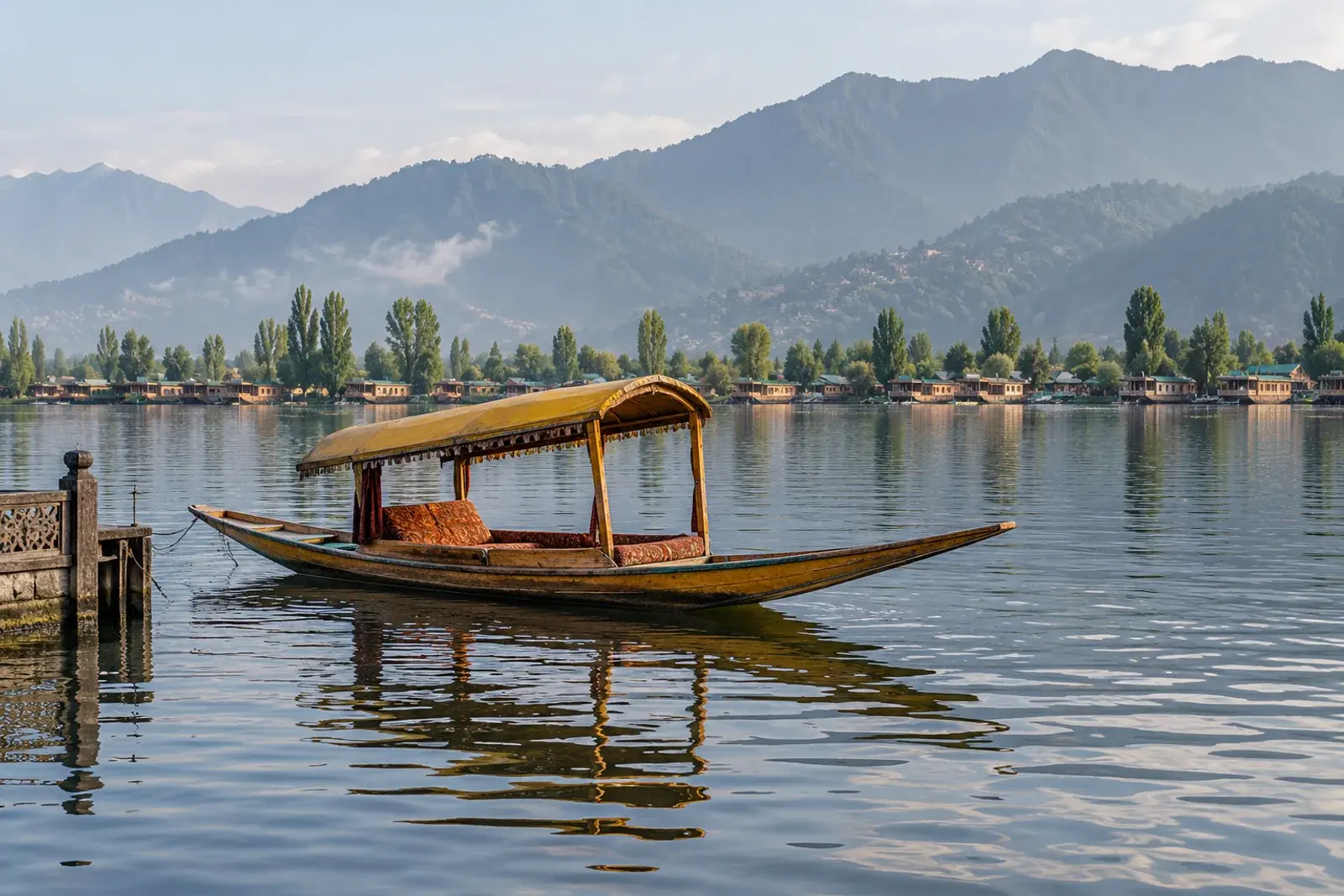
For Srinagar, give each location its own access check. A lake outing needs a meeting point on the shore, an operating boat and a practical way to get back to the road. A visit to a place of worship may depend on the time and whether the site is receiving visitors. Garden entrances and paths also vary. Ask where the driver will stop and what the group will be able to do on foot before combining several stops.
For a higher outing, check the road and the activity before leaving the city. A running lift does not resolve the condition of your road transfer. If you want to reach a separate walking route or meadow, ask how access is controlled and where a private vehicle must stop. Bring a plan you can use without another long drive. Before travelling out of Srinagar for the day, agree on the point at which you will turn back if you lose time.
If a district notice lists a site as closed, keep that site out of the working itinerary. Ask the provider to name the alternate stop and whether it changes the price or pickup. Before deciding on a more remote valley, confirm the return route and check any permits separately from the accommodation. Use the Kashmir and Ladakh permits guide to identify the questions for your nationality and route.
What are the practical rules on the ground?
| Topic | What to do |
|---|---|
| Identification | Carry government photo ID and your hotel confirmation, on paper or saved offline. |
| Road travel | Plan the longer drives in daylight. Check the traffic advice and weather before leaving, especially for the Jammu highway, Razdan Pass or Zoji La. |
| Phone and network | Keep a paper copy of your hotel, driver and trip contact. Save the address and maps offline. See our Kashmir phone guide to check your service before travelling. |
| Photography and access | Follow signs and instructions near checkpoints and security sites. Ask about photography before stopping. |
| Emergency and fraud | Call 112 for an emergency in India. Srinagar lists 181 as its women's helpline. For financial cyber fraud, call 1930. Our solo travel guide and travel agent guide cover planning and payment checks. |
Agree a meeting point before you enter a place where phone service may be unreliable. Keep the full address of your accommodation and your onward booking reference somewhere you can open without a connection. If you are travelling in separate vehicles, agree what the group will do if a road or access point changes.
Set the pickup and contact plan before the day starts
Confirm the driver's name and vehicle with the party that took your booking. If a driver changes, check the new details before leaving the airport or station. Agree on a meeting point you can describe without a map, especially at a crowded arrival area or lake landing. Give someone outside the trip the hotel address and the expected day plan. When a vehicle or road changes, share the updated destination and likely return time with them.
Put a copy of the essential details on each traveller's phone. Include the hotel name, shore landing or entrance, driver and booking contact, and the place the group should go if it gets separated. Keep a paper copy for anyone who may be travelling with a flat phone or patchy service. Agree who will check in at the hotel if some people want to continue to a later stop.
When you call for help, be ready to give the nearest town, road, landmark or exact address and a number where you can be reached. If the party is in two cars, say who is with you and where the others were last expected to be. Keep the provider's contact separate from the emergency numbers so someone can report an urgent problem while another traveller updates the booking.
If a payment request arrives from a new number, verify it with the booking contact you already know before paying. Ask which name should appear on the receipt and what the balance covers. If someone says a vehicle, room or ticket has changed, ask for an updated confirmation. Keep the original quote and payment record so you can explain what happened if you need help.
Which everyday risks should a plan allow for?
- After heavy rain or snowfall, check for falling stones, ice and road restrictions. Keep time between an uncertain road journey and a fixed departure.
- Before booking a houseboat, ask about the shore crossing, heating, working fire alarms, extinguishers and exits.
- Before skiing, check the lift, slope and avalanche notices. Read our Gulmarg skiing guide for questions to ask about terrain, instruction and equipment.
On a road day, carry water, food and a warm layer where you can reach them if you wait in the vehicle. Ask how the driver will handle a route hold and where the group can eat or use a toilet while waiting. If visibility or ice changes the drive, keep the next booking flexible enough to move. Check the way back as well as the outward drive.
For a houseboat, ask where the shore transfer starts and what happens if you need to get off the boat early. At check-in, locate the exit and ask how to reach the host. For a hotel, confirm the stair or lift route to your room, how heating is provided and whether food is available if you arrive late. Give the property any access request before you travel.
For an activity, ask about the meeting point, who is leading it, which terrain is open and what happens if conditions change. Keep inexperienced travellers on a route and at a pace they can manage. If your plan continues to Ladakh or a higher overnight, allow for rest and use the Srinagar to Leh road trip guide to work the acclimatisation stop into your route.
What can TDI help you plan?
Ask for a route that leaves room for road changes and explains what happens if a stop is unavailable. Compare the pickup, accommodation and cancellation terms for your dates. Our family trip guide covers a slower pace for children or older travellers.
Tell us which hotel nights or tickets you have already fixed and which days can still move. Ask for the actual base, pickup address and alternate outing in writing. Give any mobility and meal requirements for the people travelling, especially for steep entrances or a longer day on the road. Keep the advisory, access and insurance decisions with the authorities and providers responsible for them.
Read back the itinerary one day at a time before paying. Make sure you know the starting hotel, destination, planned stops and what the price includes. If a day includes an optional local vehicle, ask when it is arranged and who collects payment. If your plans change, confirm the revised route and costs in the same written conversation. Save the latest agreed itinerary and the receipt together.
How do you decide?
| Your situation | Before committing to the trip |
|---|---|
| Your government advises against travel | Read the current advisory and ask your insurer whether your destinations and routes are covered. Keep any written response. |
| You are travelling from within India | Check the latest district and traffic instructions for the places you plan to visit. Choose stops with access confirmed for your dates. |
| Someone needs predictable travel days | Choose shorter transfers and check how far each entrance is from the vehicle. Leave room to move an outing if the weather changes. |
| Your trip crosses a pass or enters a border area | Confirm the road, permissions and any travel restrictions separately. Allow time for delays before a flight or other fixed booking. |
For a short trip, identify the booking you cannot easily change. Build the rest of the route around it. If it is a flight, keep the last night within a workable distance of the departure airport. If it is a timed outing in the hills, decide where to spend the day if the activity does not run. If the group needs regular rest, check how far each stop is from a warm place or an easy pickup point.
When one member of the group has a tighter return, consider separate transfers or a last night at a different base. Be clear about who is responsible for each vehicle and how the other travellers will find the hotel. Ask what the trip can do on a day when the most important route is unavailable. A route with options is easier to change before a closure than when everyone is already waiting at the gate.
What should you check again close to departure?
Read the latest advisory, district notice and road update for your route. Confirm the opening of any stop you cannot easily replace. If you need a different option, check what the booking allows you to change.
Keep one fallback you can use from the same hotel. Before paying for an activity, ask what happens if the operator suspends it and how long you have to change the booking. If your last night involves a mountain drive or a shore transfer, confirm when you can reach the airport and leave a margin before the flight.
Recheck the things that affect money or movement close to the trip. Confirm arrival and departure times, the driver's meeting point, the district's access for the next outing and which provider to call if something changes. If you pay a balance, use the agreed payment details and retain the receipt.
Keep separate checks for the evening before travel and the morning you leave. The evening check can confirm your hotel, ticket and driver. The morning check can cover a new road instruction, weather or an access change. If the first check does not give you an answer, set a time to follow up before the vehicle leaves. For a confirmed change, tell anyone meeting you at the other end.
Next step
Use the Kashmir package itineraries to see how the drives fit. Send your dates and proposed stops if you want a route quote with clear accommodation, transfer and change terms.
Questions travellers ask
Is Kashmir safe to visit after the Pahalgam attack?
The UK, Canada, Australia and the United States advise against travel to Jammu and Kashmir, with different exceptions. Read the advisory that applies to you and check the whole route, insurance and access before making a decision.
Are Kashmir tour packages running now?
Compare the available itineraries for your dates. Ask which roads, sites and activities are in the proposed route and which may change if access is restricted.
Will travel insurance cover a trip to Kashmir?
Check your policy and ask the insurer whether the specific destination and route are covered. UK travel advice warns that going against it could invalidate insurance.
How should families, solo women and older travellers plan?
Follow the current advice that applies to the group. If you choose to travel, confirm accommodation access, arrange identifiable pickups and leave time to change a long drive or outing.
What should I check before a Dal Lake houseboat stay?
Ask where to meet at the shore and how you would leave in an emergency. Check fire safety arrangements, how the room is heated and when the host is available.
Editorial check
Facts last verified 12 November 2026. Confirm current conditions, fares and rules before booking.
Updated
Planning your Kashmir trip?
Let our 25-year local team build it.
Tell us your dates and budget so the Srinagar team can suggest an itinerary and quote for your group.