Key facts
Last verified 12 November 2026
| For every season | Removable layers, shoes with grip and sun protection |
|---|---|
| Wet days | A rain shell and spare dry socks |
| Snow outings | Insulated waterproof boots, thermals, gloves and a warm hat |
| Day bag | ID, water, medicines, phone power and a dry layer |
| Before departure | Check the forecast for every destination and ask which equipment your activity requires |
Lay out clothes for your coldest stop and your wettest outing before you pack the rest. Keep the layers you may need first in your day bag so you can put them on during a transfer.
What changes on a Kashmir packing list by season?
| Season | Pack first | Add for a specific outing |
|---|---|---|
| Spring | Warm mid-layer, rain shell and walking shoes with grip | Dry socks for garden paths and a scarf for time on the lake |
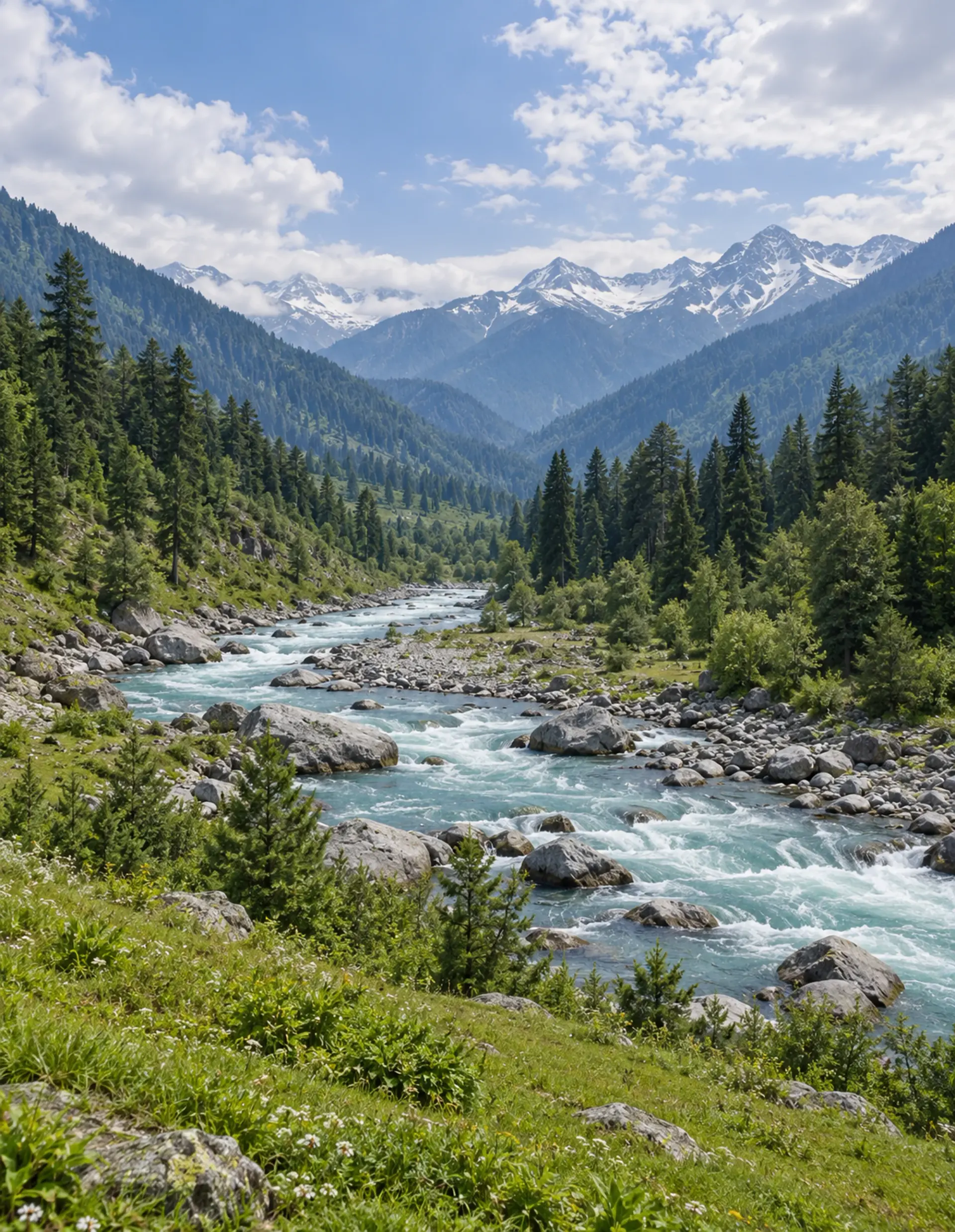
| Summer | Breathable daytime clothes, sun hat, light fleece and rain shell | A warm layer for mountain stops or late return drives |
| Autumn | Long sleeves, a warmer jacket and closed shoes | A thermal layer if you will start early or stay outdoors after dark |
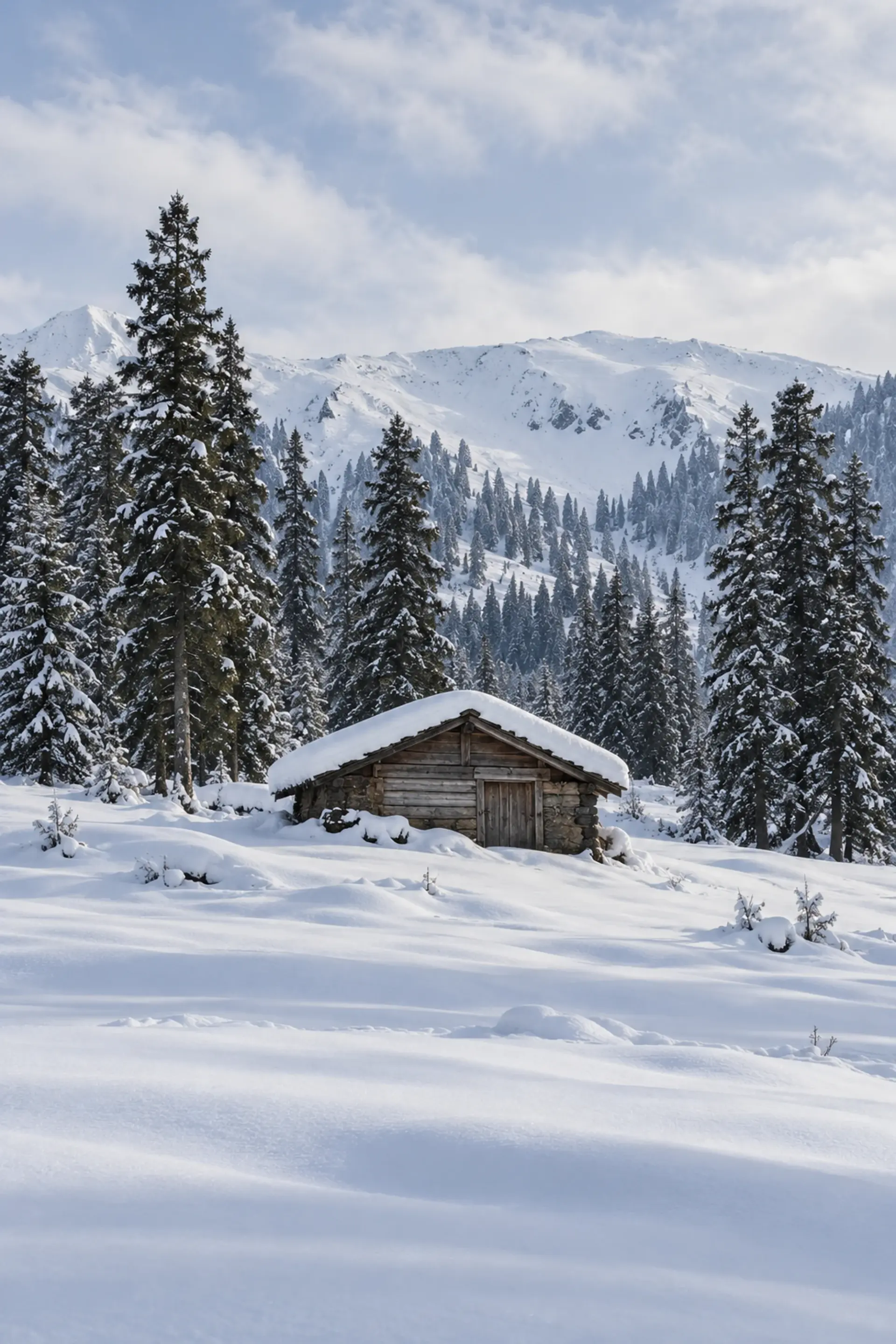
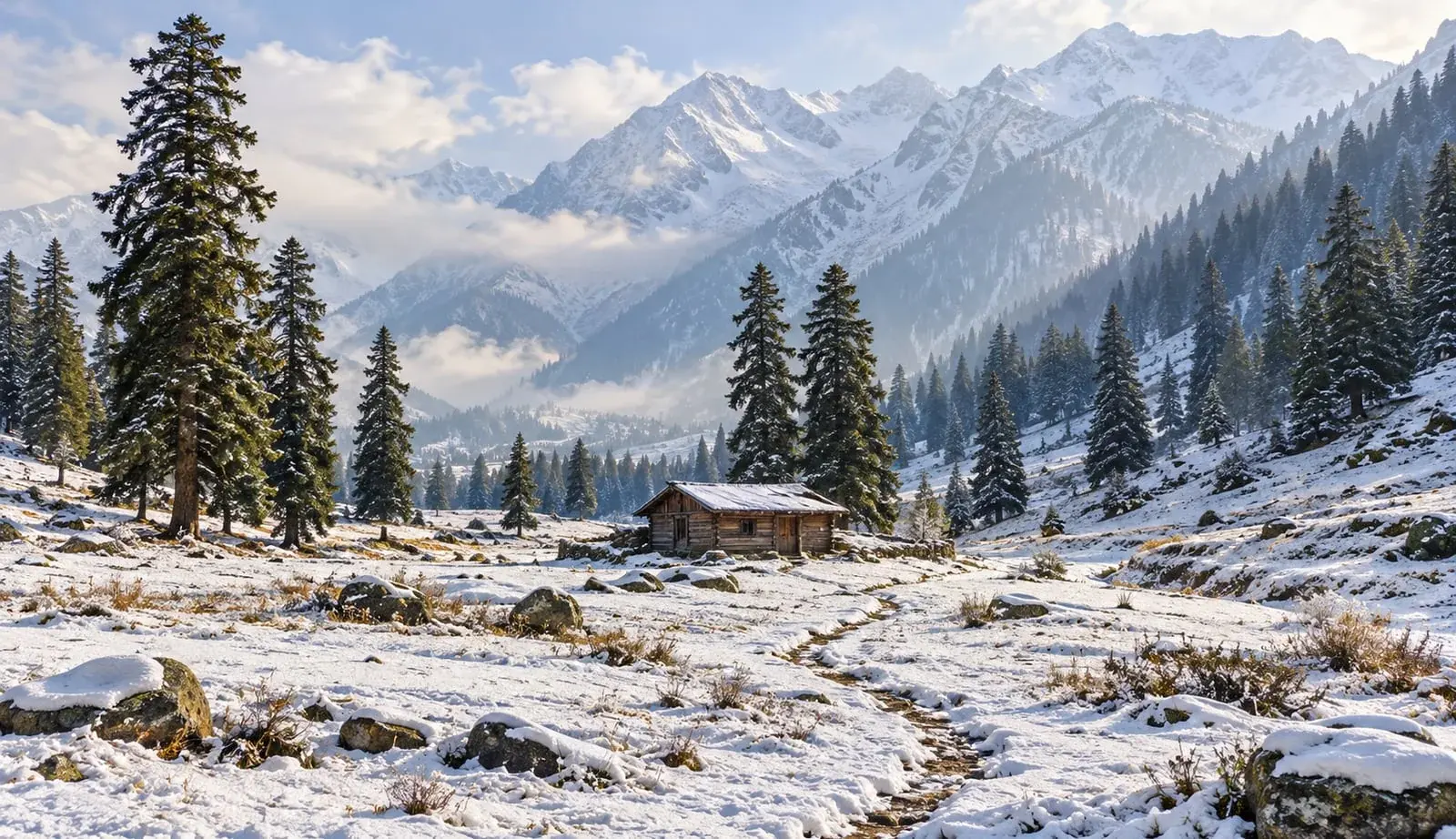
| Winter | Thermals, insulated jacket, hat, gloves and waterproof boots | Snow-glare protection and a dry change for children |
Compare months in our best time to visit guide, then check the summer, autumn or winter guide for your dates.
For a spring morning that starts by Dal Lake and finishes in the Mughal Gardens, keep a windproof layer or scarf in the same bag as your rain shell. A compact umbrella is handy on the city portion of the day. If garden paths are wet, spare socks and closed shoes will get more use than a second coat.
In summer, pack a breathable shirt for Srinagar and a fleece for an early departure into the hills. In autumn, keep full-sleeve layers ready for a long stop under the chinars or a walk before breakfast in Pahalgam. During a winter outing, cover ears and hands, bring dry gloves and socks, and use sunglasses or goggles for glare off the snow.
Why pack different layers for Srinagar, Gulmarg and Pahalgam?
Srinagar's July average daily high is 30.0 °C, against 21.1 °C in Gulmarg and 25.5 °C in Pahalgam. These are 1991–2020 climate averages. Use them to choose your base clothing and extra layers, then check the forecast for your stops close to departure.
The range for each season starts at the lowest monthly average overnight low and ends at the highest monthly average daytime high. It helps you compare destinations and seasons. Actual temperatures on your trip can extend beyond these averages.
| Season | Srinagar | Gulmarg | Pahalgam |
|---|---|---|---|
| Spring (March to May) | 4.3 to 24.7 °C | −2.7 to 15.6 °C | −0.3 to 21.3 °C |
| Summer (June to August) | 15.0 to 30.0 °C | 9.4 to 21.1 °C | 8.9 to 25.5 °C |
| Autumn (September to November) | 1.2 to 27.6 °C | −0.6 to 18.5 °C | −1.4 to 23.7 °C |
| Winter (December to February) | −1.9 to 10.5 °C | −7.7 to 4.6 °C | −6.1 to 7.9 °C |
A fleece under a rain shell covers a cool transfer, a breezy boat ride or a wet walk. Add insulation and spare dry clothes for sustained winter cold.
Which shoes and equipment do you need?
For a city and garden itinerary, choose comfortable closed shoes with grip. Add weatherproof walking shoes for muddy paths. If you expect to spend time on snow or ice, choose insulated waterproof boots and check the sole. Pack spare socks where you can reach them without opening your main bag.
For skiing or another booked activity, ask the operator what equipment is required and what can be hired for your dates. Ask about sizes for everyone in your party and whether a helmet or other equipment is part of the arrangement. Read the Gulmarg destination guide before packing for a specific mountain activity.
Break in walking shoes at home and try winter boots with the socks you intend to wear. Pack light slip-ons for the hotel or houseboat and a bag for muddy soles. Our Gulmarg skiing guide can help you decide which kit to discuss with your instructor before you travel.
What belongs in your day bag?
- Water, a snack, sunglasses, sunscreen, lip balm and a hat.
- A spare layer, rain shell, dry socks and a small bag for wet items.
- Your usual medicines and any prescriptions, a basic first-aid kit and contact details you can reach offline.
- ID, booking details, a charging cable and a charged power bank.
- Spare clothes for children and any personal items your group needs on the drive.
- A small torch, tissues or wipes, and a pouch for keeping your documents dry.
Keep medication in the bag you will have access to during travel. If you are continuing to higher elevations in Ladakh, ask your clinician about gradual acclimatisation and whether your itinerary calls for any health precautions. Leave time to adjust the route for the person who needs the slowest pace.
Which documents and travel details should you carry?
Carry the ID needed for your transport and accommodation. Save your tickets, booking details, hotel addresses and driver contact where you can reach them offline. Review our permits and ID guide for your route and our Kashmir SIM card guide before checking your plan with your mobile provider. Keep a payment option for stops where you may have poor reception.
Check the carrier's baggage rules for your power bank and any activity equipment. A small day bag helps on arrival days when your main suitcase may stay in the car. For trips with children or grandparents, use the Kashmir family trip guide to match the gear to the stops and how far the group plans to walk.
Save an offline map for each valley and keep your driver's pickup point, hotel name and address somewhere you can open without mobile data. Put a small amount of cash in separate pockets for tea, local purchases or a stop with poor signal. Keep a charging plug with your cable so you can recharge at the stay even when the power bank is flat.
How do you pack for transfers between stays?
Ask what fits alongside all passengers before you bring rigid cases or bulky equipment. A soft bag and smaller packing pouches can simplify a road trip with several hotel changes. Put one change of clothes, your medicines and the layer you want when you get out of the vehicle in a bag you can reach at a stop.
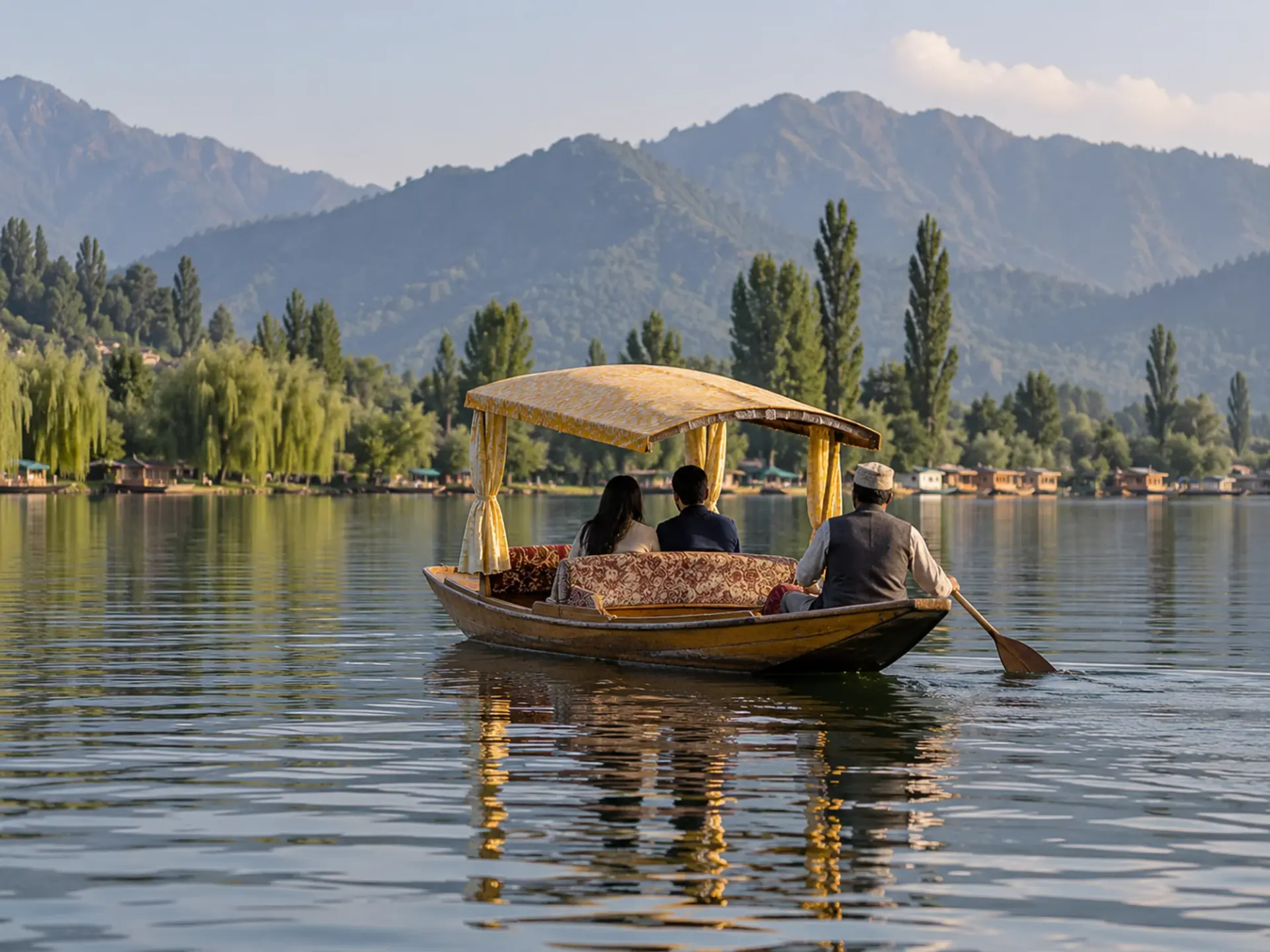
Read the order of stops before deciding what to carry. On our Kashmir honeymoon itinerary, for example, the day kit needs to work for a shikara ride and a mountain visit. A spare pair of dry socks, a windproof layer and a small pouch for valuables take up little room when you are moving between them.
Leave delicate items and clothes you would wear only once at home. If you plan to bring a drone, check current flight restrictions and venue rules first. For a walk you have planned around a lake, garden or meadow, ordinary clothes you can rewear and comfortable shoes will cover most of the day.
What should you check the night before?
Read the forecast for your first outing and put the right shoes and outer layer where you can reach them. Download the address for your first stay and share the pickup details with anyone arriving separately. Charge your phone and power bank, check your ID and put essentials for the first drive in one bag.
Send your planned stops to the TDI Holiday Ventures team for help matching equipment to your dates and activities.
Questions travellers ask
Do I need a jacket in Kashmir in summer?
Pack a light fleece or jacket for cool evenings, mountain outings or an early boat ride. Add a rain shell if the forecast is wet.
Do I need snow boots for Gulmarg in winter?
Use insulated waterproof boots with grip if you plan to walk on snow or ice. Ask the activity operator which footwear and equipment are appropriate for your outing.
Can I hire winter equipment instead of carrying it?
Ask the local operator what is available in the sizes you need and what the hire includes. Carry suitable shoes and basic warm layers for the rest of the trip.
What should I carry for a shikara ride or garden visit?
Bring a removable layer, sun protection, water and a rain shell if needed. Wear shoes that can handle damp paths or a wet jetty.
What should families keep in their day bag?
Keep layers, water, snacks, regular medicines, identity and booking details, and a dry change of clothes for children within easy reach during drives.
Will my phone work in Kashmir?
Check whether your mobile provider and plan cover the route, including any prepaid roaming restrictions. Save your maps, pickup point and booking details offline before leaving. Keep the driver's number with your hotel details so you can reach both when needed.
Should I carry cash on a Kashmir trip?
Carry small notes for local shops, tea stops or an activity where your mobile payment app may be slow to connect. Keep some cash accessible for your first day and store the rest separately from your ID and cards.
Which ID should I take to Kashmir?
Confirm the identity documents accepted by your carrier and accommodation. Keep copies of your bookings and any route-specific permits where you can open them offline. Every traveller should check what applies to their own itinerary and nationality.
Editorial check
Facts last verified 12 November 2026. Confirm current conditions, fares and rules before booking.
Updated
Planning your Kashmir trip?
Let our 25-year local team build it.
Tell us your dates and budget so the Srinagar team can suggest an itinerary and quote for your group.