Key facts
Last verified 12 November 2026
| Milder days | May, June and September are practical months to compare for a walking trip |
|---|---|
| Cooler option | October often suits visitors who can pack for cold mornings |
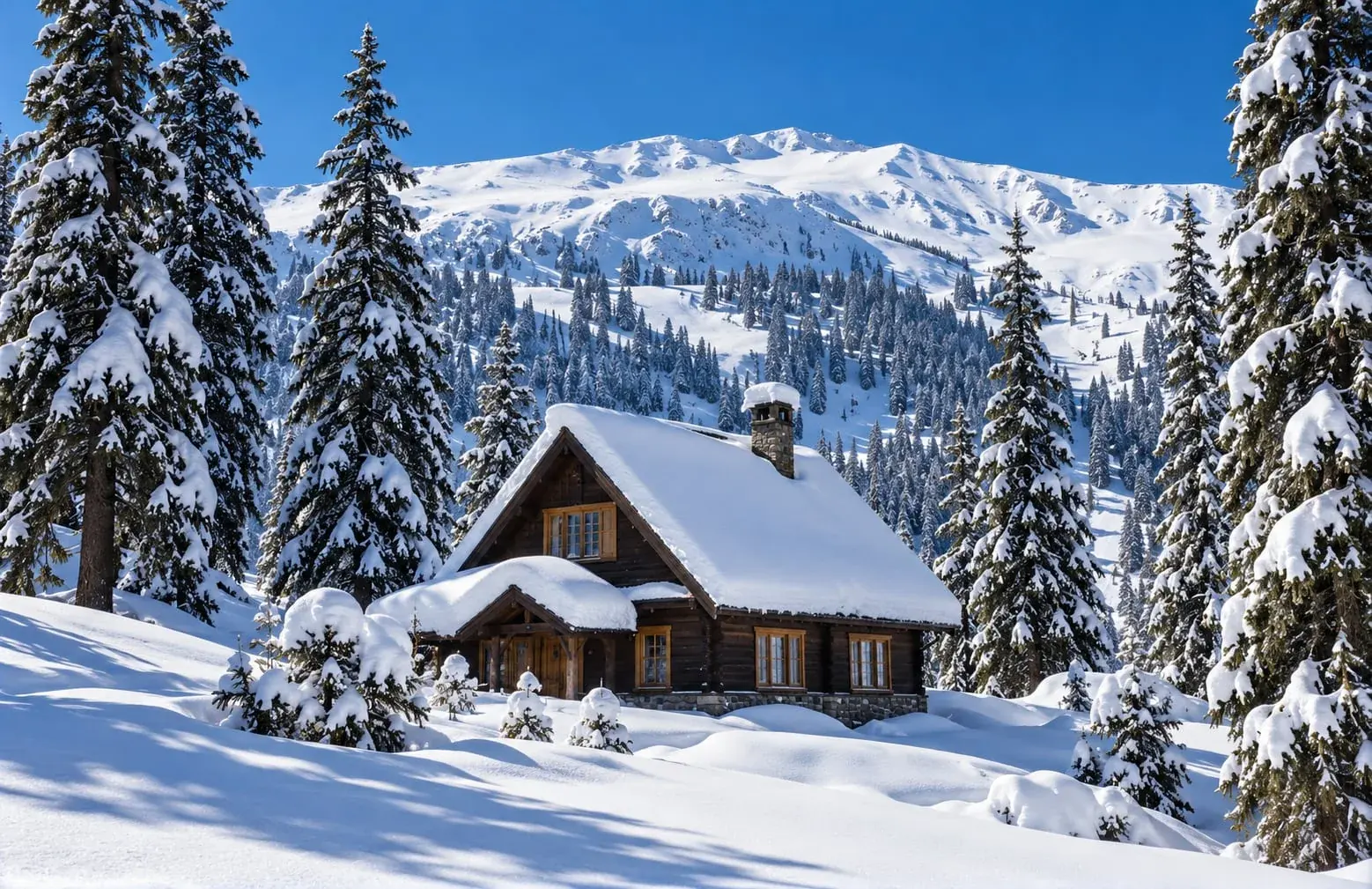
| Winter option | Plan around room heating, road conditions and shorter outdoor visits |
| Outdoor access | Confirm Aru, Betaab, Baisaran and Chandanwari separately |
Status note, checked 12 November 2026: Anantnag district lists Baisaran meadow in Pahalgam as closed in its 7 July 2026 notice. Check the latest district advice before planning a visit. See our Kashmir travel safety guide for access updates.
Pick a Pahalgam season based on the time you want outdoors, the roads you need and where you plan to sleep.
What is Pahalgam like through the year?
Choose the month based on the part of the visit you care about most. For easy walking, look for a day warm enough to spend time outdoors and a road that gives you a predictable start. If you are travelling for winter scenery, put the accommodation and road plan first. Our Pahalgam travel guide helps you choose a base before comparing dates.
What does the monthly Pahalgam weather table show?
These are India Meteorological Department station averages for 1991–2020. They help compare seasons. Check the forecast for the travel day and remember that the higher valleys can feel different from town.
| Month | Average daytime high (°C) | Average overnight low (°C) | Average monthly precipitation (mm) | How to plan |
|---|---|---|---|---|
| January | 4.9 | −6.1 | 136.0 | Check heating and confirm the winter road |
| February | 7.2 | −3.9 | 144.5 | Leave flexibility if snow or ice affects the day |
| March | 12.5 | −0.3 | 171.2 | Pack a waterproof layer and keep a shorter walk available |
| April | 17.6 | 3.3 | 144.2 | Allow for cool starts and soft ground |
| May | 21.3 | 5.8 | 120.1 | Plan a meadow outing and keep a warm evening layer |
| June | 24.2 | 8.9 | 91.2 | Use the morning for a valley visit if the schedule permits |
| July | 25.5 | 12.9 | 107.1 | Check pilgrimage-period traffic and entry arrangements |
| August | 25.4 | 13.0 | 114.9 | Check the day's road, showers and local access |
| September | 23.7 | 8.7 | 95.1 | Allow a cool evening after the daytime walk |
| October | 19.9 | 2.6 | 38.2 | Pack a warm layer for morning and evening |
| November | 13.1 | −1.4 | 51.3 | Ask when daylight starts to run short for your plan |
| December | 7.9 | −4.2 | 59.7 | Check whether an outdoor outing fits the road and weather |
How do you choose the month for your purpose?
A family that wants a meadow and a short walk can start with May or June. If your favourite part of the trip is a quiet town evening and a riverside stop, look at September and October and allow for a cooler start. For a snow-focused trip, use the Kashmir winter guide to decide which winter outings you can swap if conditions change.
The Amarnath pilgrimage can affect the road and room demand in summer. Check the current season's route and traffic arrangements before setting your transfer. See the Amarnath travel package if the pilgrimage is part of your own itinerary.
Spring and early summer for time outdoors
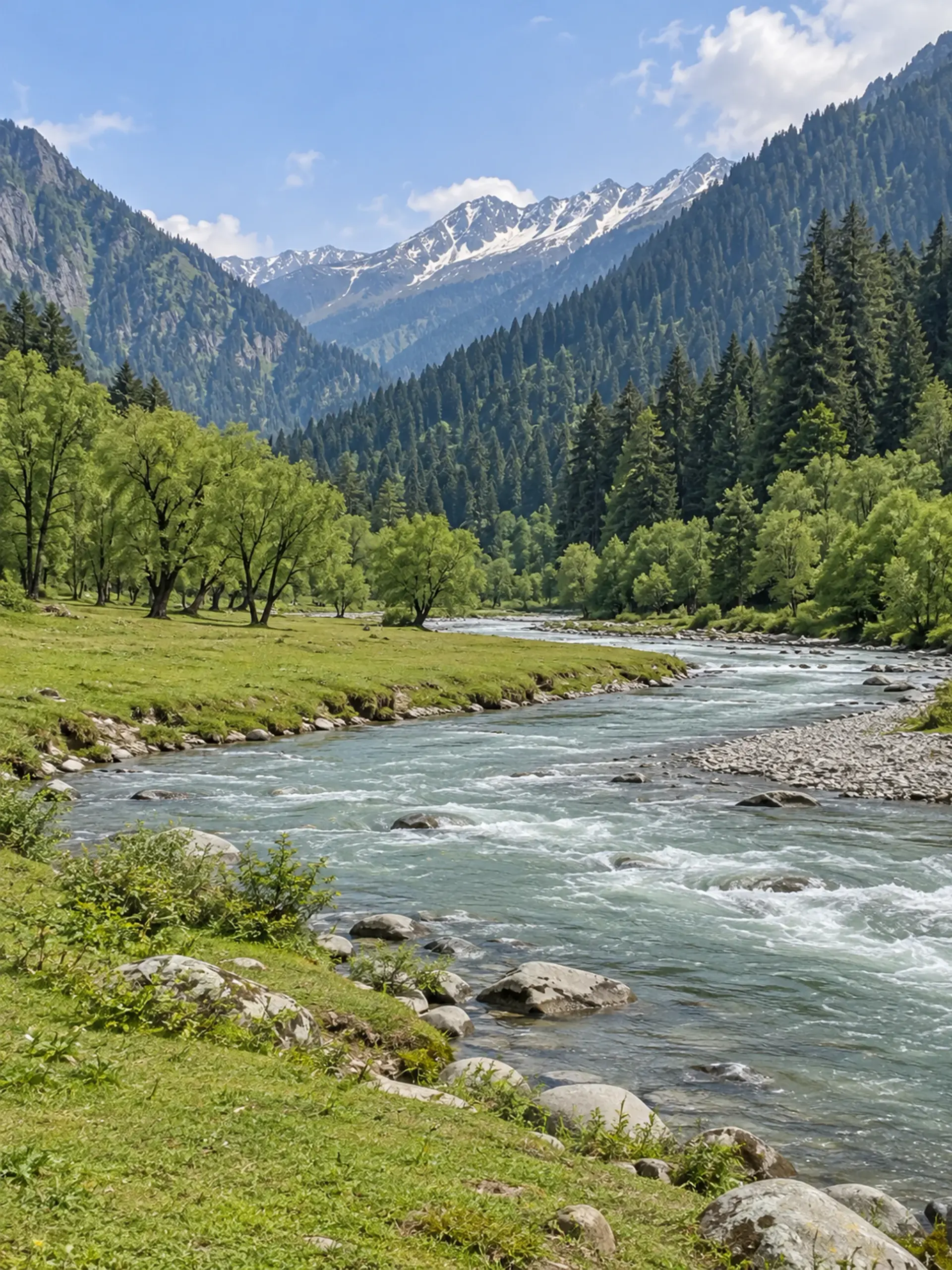
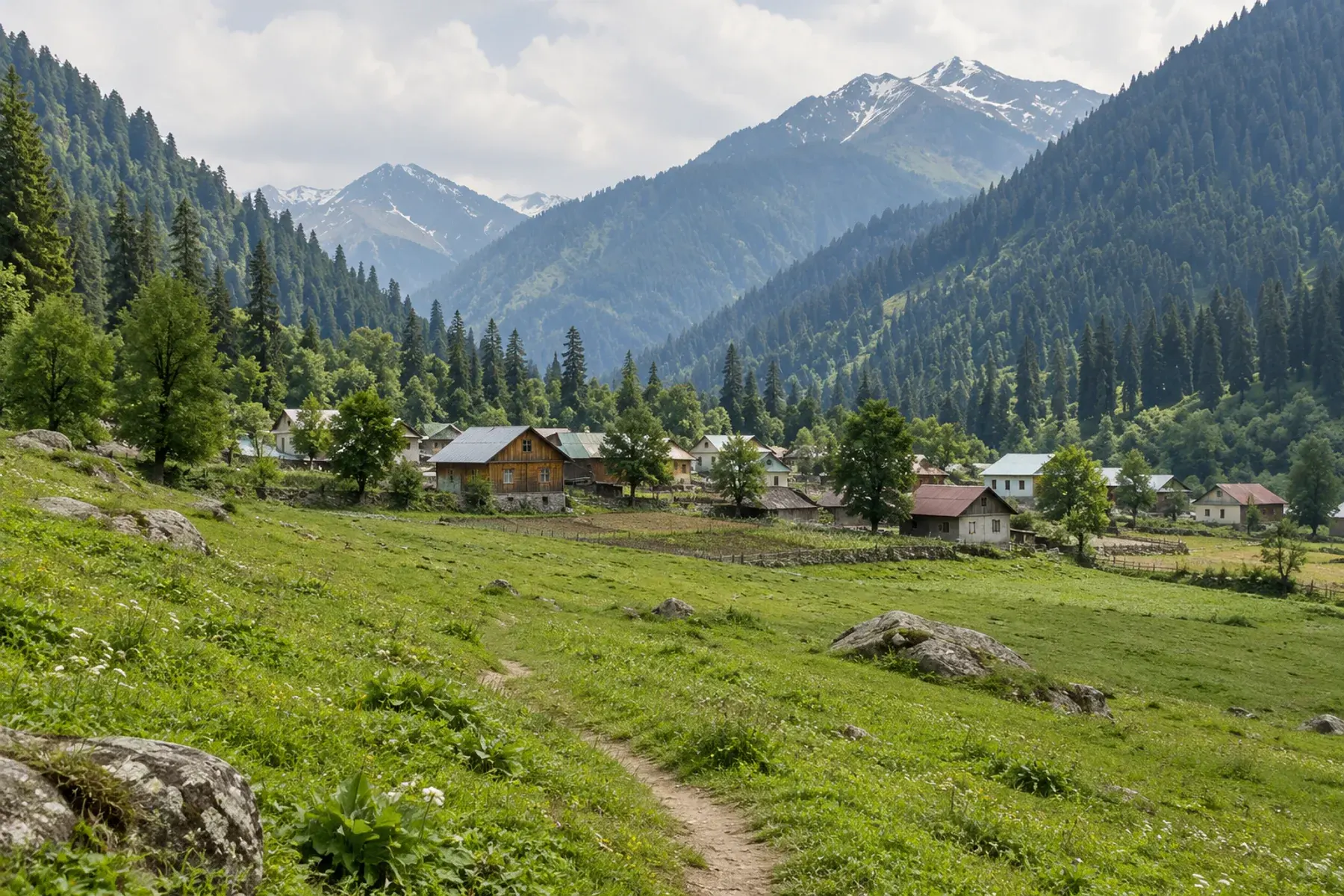
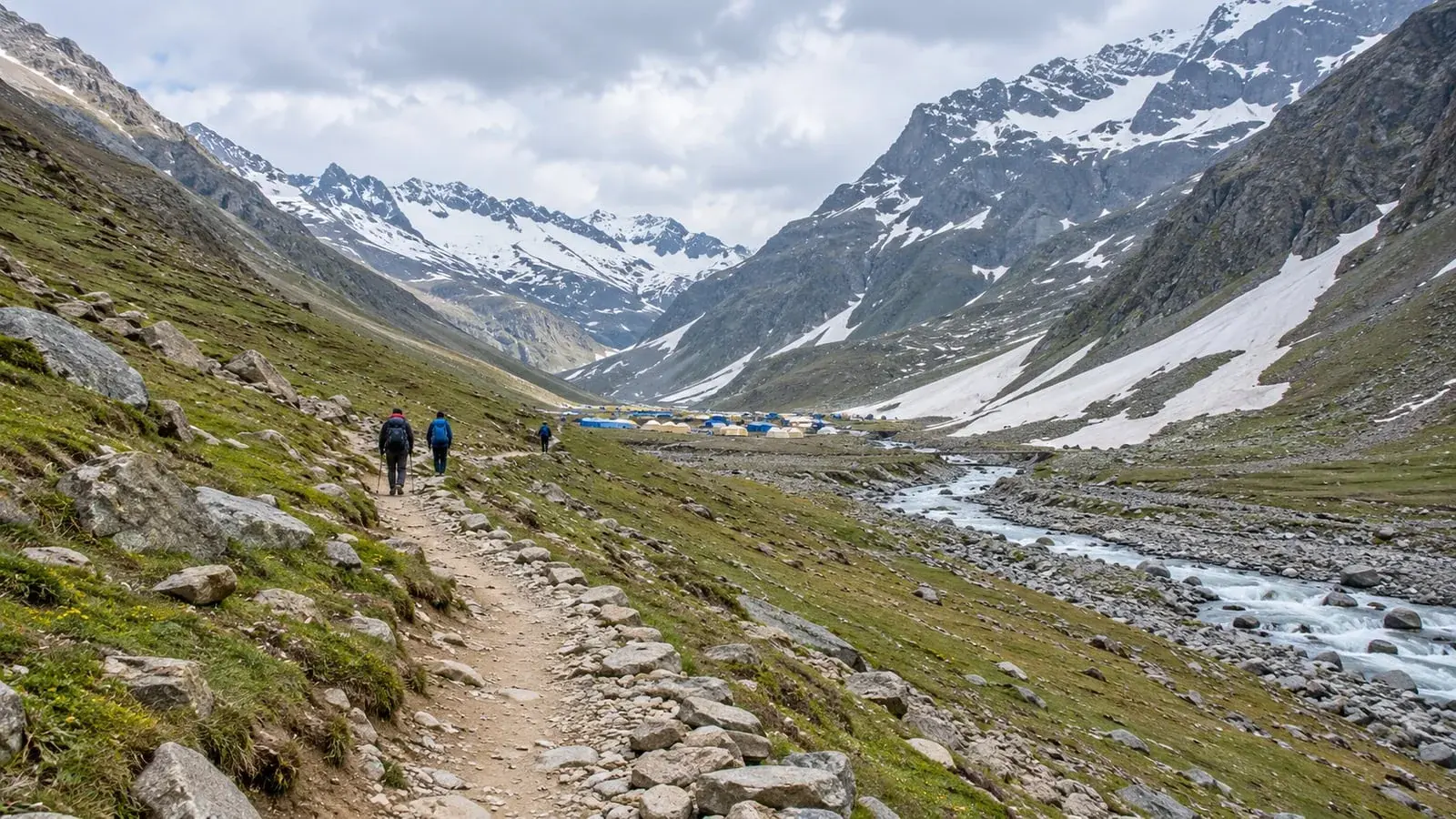
March and April work best when you are happy to see the valley in transition. Start with a town walk or a stretch beside the Lidder if the ground is usable. Keep a nearby stop for after lunch and ask how much walking the driver can save you if someone gets cold or tired. In May and June, use the longer daylight to give Aru or Betaab its own outing. A wide valley view, a short walk and an unhurried meal can fill the day without rushing through every stop. See Aru Valley to decide whether that outing is the focus.
High summer for a daytime valley visit
July and August can suit travellers who want warmer starts, provided their road plan can move around the day's traffic. Ask your driver which approach the local instructions allow and where you can stop safely for lunch or a break. If you are arriving from Srinagar the same morning, decide whether you want the main valley outing before or after check-in. On a busy day, leave sightseeing until the next morning and keep arrival afternoon for the river or a short walk in town. Ask about separate local vehicle arrangements before assuming your transfer includes every outing.
Autumn for cool evenings and shorter plans
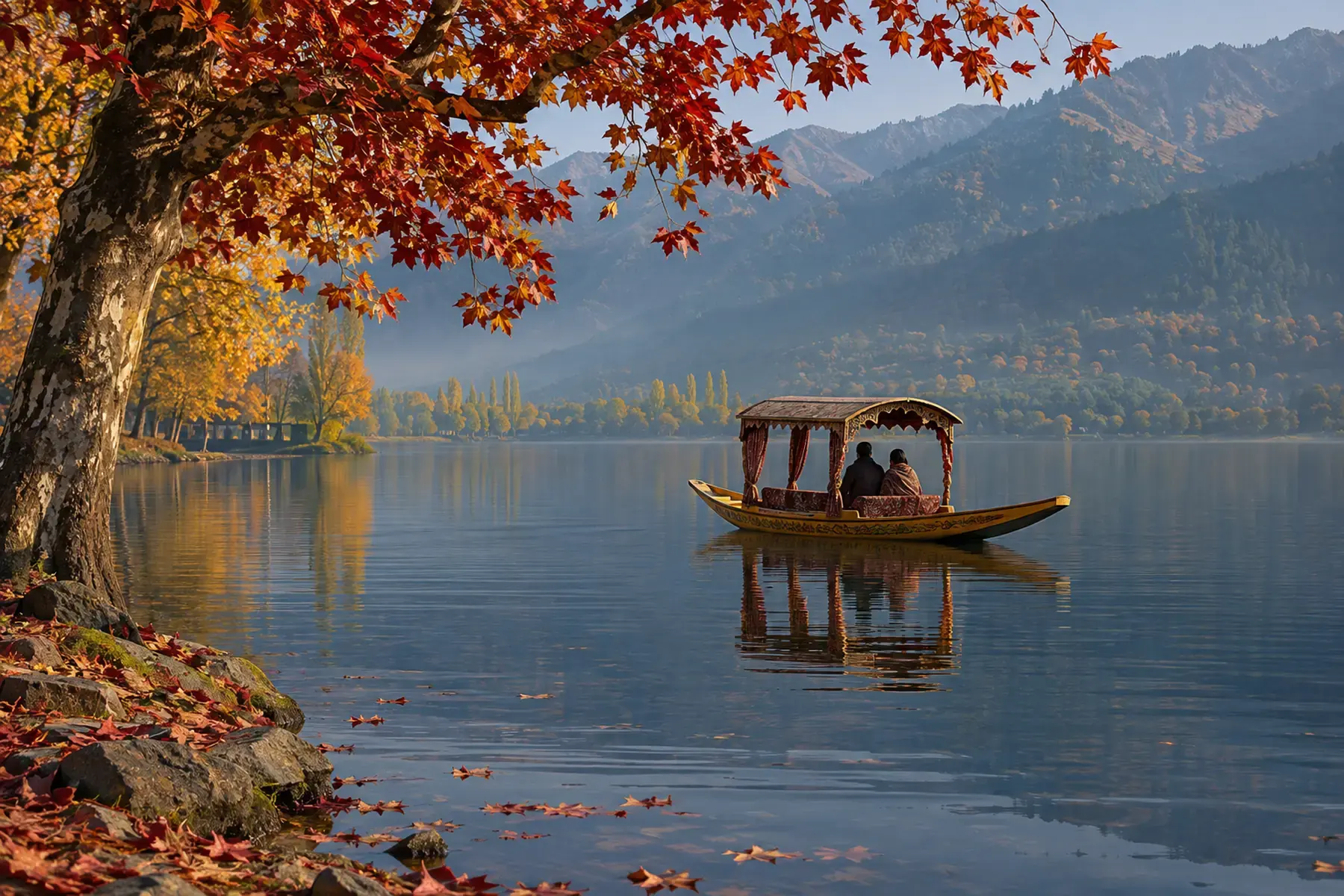
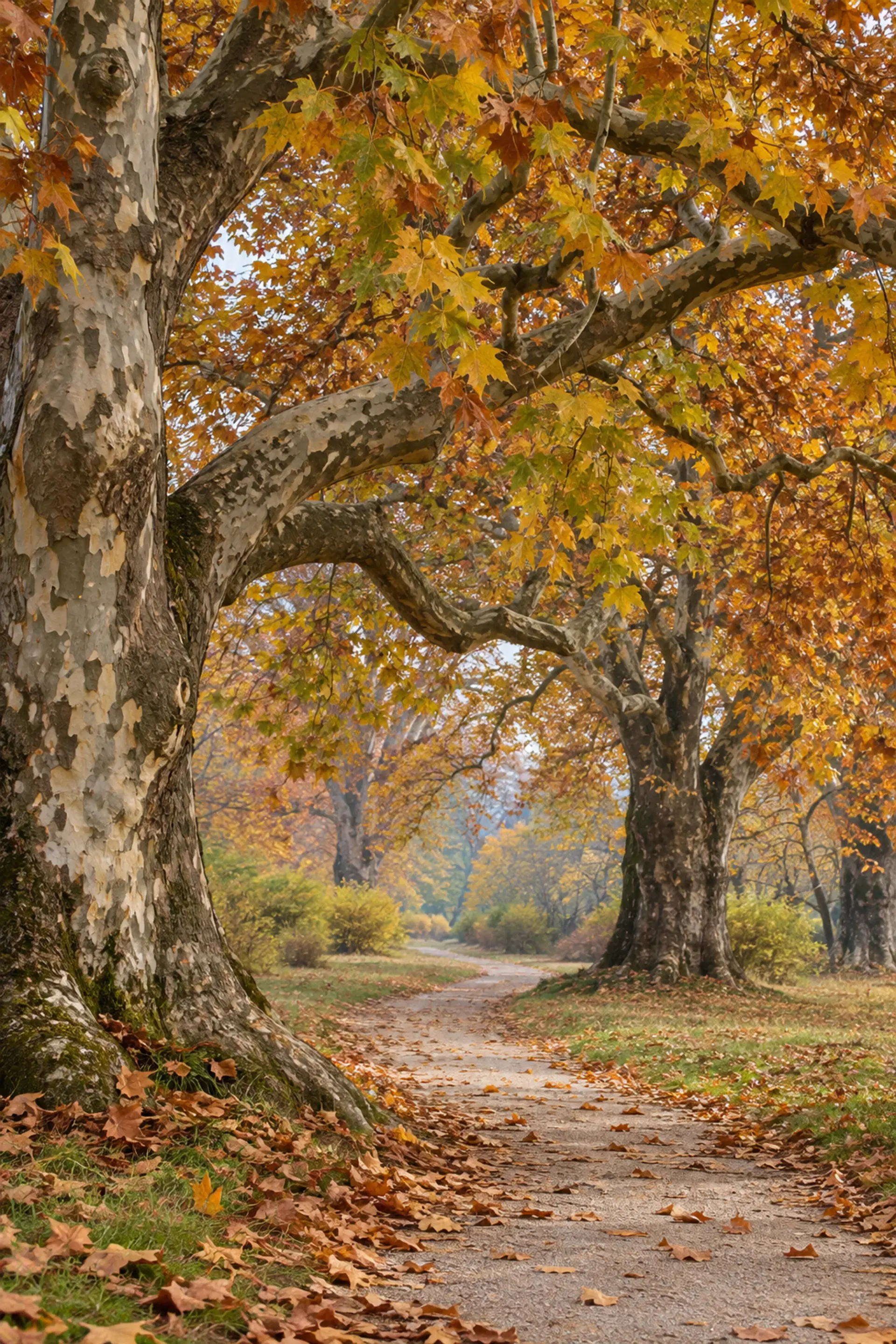
In September, a daytime valley walk can still leave time to return to town for dinner. October is cooler in the mornings and the long-term table shows less precipitation than any other month listed. Pick a room that suits the time you will actually spend indoors. If the trip is mainly for autumn colour, ask what is changing near the river and around your intended valley that week. Choose the walking surface and slope that suit your group, especially if the plan includes older adults or young children. Our Kashmir autumn guide helps you compare an autumn stay in Pahalgam with time elsewhere.
Winter for a heated stay and a flexible route
A winter overnight makes sense when the hotel confirms room heating and the driver confirms the approach. Ask how the entrance is reached if it is icy and whether you can get a meal at the property after dark. Check the return route before adding a second valley or an early onward departure. Snow on the hills and safe access to a particular viewpoint are separate questions. Give yourself a choice of a short local outing and a comfortable indoor afternoon. If the conditions look unsuitable, keep your Srinagar night and treat Pahalgam as a day trip only once the drive has been checked.
Which day trips are open, and when?
Make a list of the stops you care about, then check each of them. The Anantnag district closure notice lists Baisaran and Chandanwari among restricted sites. Confirm the latest instructions on your dates and treat Aru and Betaab as separate checks. An overnight in town can give you time to adjust the plan. See the Pahalgam itinerary guide for ways to organise the day.
Day trip or overnight from Srinagar?
Take the day trip if you are mainly deciding between a riverside stop and one accessible valley, and you want to return to the same hotel. Stay overnight if you want to try an early valley outing, keep a second morning available in uncertain weather or avoid a long return drive after sightseeing. Use the Pahalgam itinerary to decide which stop fits your start time and the Srinagar to Pahalgam taxi guide to check transfer scope. Tell the driver where you plan to spend the next night so the last stop fits your onward route.
What should you pack for Pahalgam?
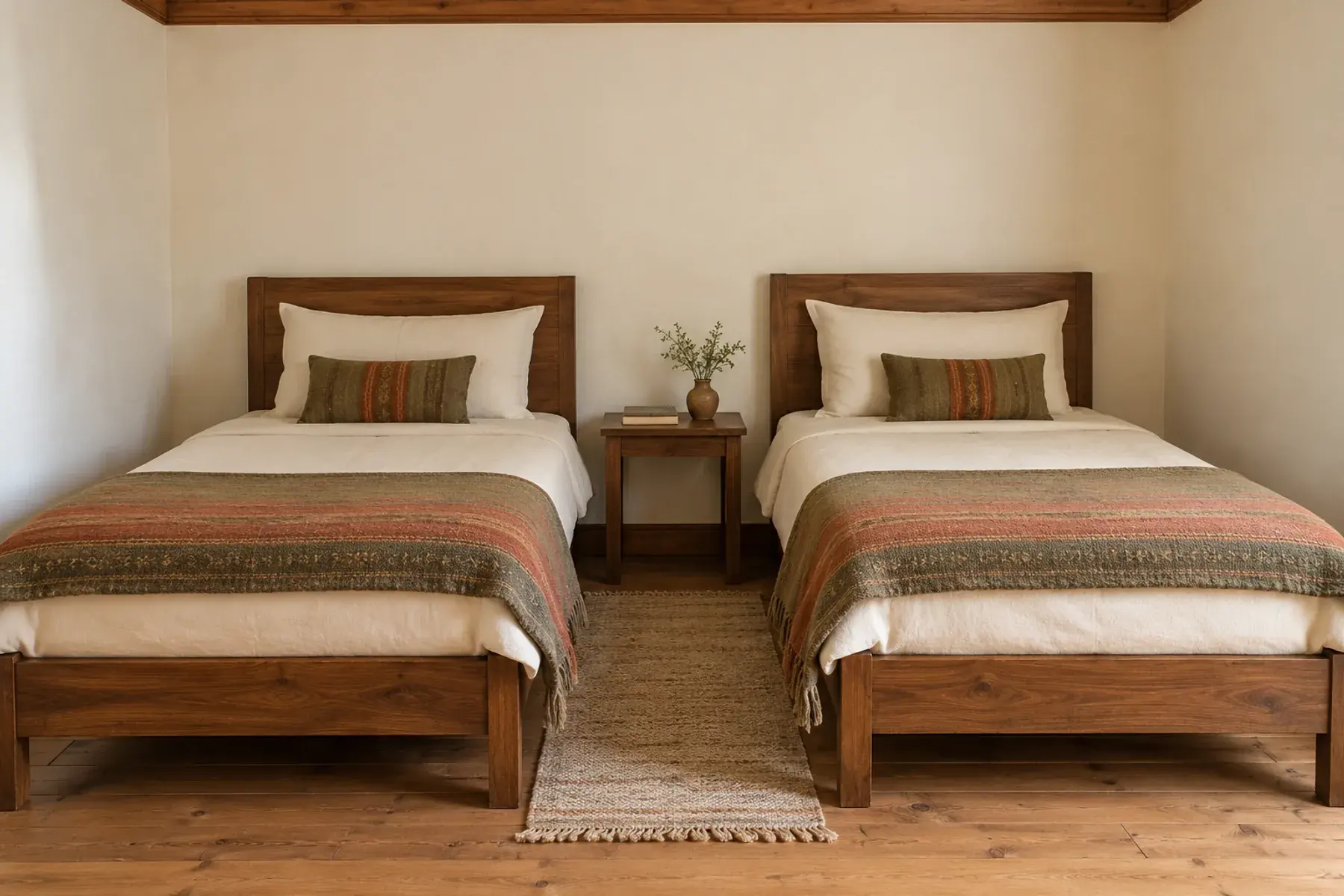
Carry a warm layer for the start and end of the day, a waterproof layer when showers are possible, and shoes you can walk in on damp ground. In winter, ask about heating, hot water and access from the road. Our Pahalgam accommodation guide explains how to choose a room that fits the trip.
Share your Pahalgam dates and priorities if you need help placing a valley visit between your Srinagar arrival and the rest of your trip.
Questions travellers ask
May and June are useful months to compare when you want more time outdoors, including a shorter walk and a separate drive to a valley outing. The most important detail is whether the actual path and meeting point suit your group. Leave time to shorten the walk without losing the rest of the day.
September and October can both suit a riverside stay, but cooler October mornings make room comfort and the time you plan to walk more important. Compare a daytime walk and the return for dinner rather than trying to fill every hour outdoors. Ask about the river conditions for your proposed week.
Pahalgam's long-term station averages help compare seasons, while a higher valley needs a separate check for the expected weather and path conditions on your travel date. Look at the outing's start and return hours before deciding how to dress. Choose the start point your group can reach that day.
A town walk is a practical spring option when the group wants to judge the damp ground and cool air before committing to a longer valley excursion. Start from a place you can return to easily if somebody gets tired. Keep an accessible meal or short nearby stop for later.
The easiest river stop after rain is one with a firm approach, nearby shelter or a straightforward return to the vehicle if the ground is soft. Ask about the path before leaving your room. Keep your warm and waterproof layers available without opening the main luggage during the outing.
A longer May day lets you give one accessible valley its own outing, with time for a short walk and a meal instead of another fixed transfer. Decide which valley matters to the group before setting the pickup. Save a town stop if you return early enough to enjoy it.
A June meadow visit is easier for children when the vehicle stop, walking distance and timing of a meal all fit comfortably into the part of the day you have. Choose an obvious point to turn back before the outing starts. Leave another short local option if the planned approach is unsuitable.
A July enquiry should ask whether current movement arrangements affect the final approach to the exact property, when the driver can reach it and where bags are unloaded. Give the host your expected arrival window rather than asking about the whole month. Compare the timing against any sightseeing you expected to do before check-in.
The main approach, the access to each valley and the vehicles permitted on those legs can change separately, so one successful road check does not settle the day. Ask about your exact times and routes. Place breaks where the driver can actually stop under the arrangements for that date.
It is worth waiting if the journey from Srinagar uses much of the morning or local conditions would leave too little time to walk before check-in. Use the arrival afternoon for a short river or town stop. Confirm how you get to the valley the following day before booking around that outing.
One stay can remain flexible when you leave both a short town outing and a more substantial valley option available, then choose by the conditions each day. Confirm which road arrangements you can move from the same base. Keep dinner and the return point simple if your activity finishes earlier than expected.
A September walk can fit before a town dinner when you start with enough daylight and agree a return point that still works if the walk slows down. Check how the vehicle will collect you and how far you need to walk after it drops you. Move dinner later only if the property or restaurant can accommodate it.
October is the driest month in the Pahalgam table, but your usable path still depends on the day's footing, slope and the people taking the walk. Ask what it is like at the actual approach shortly before you go. A shorter river stop can be more suitable than a steep way to a viewpoint.
An autumn day is easier to enjoy when you choose one area with current colour, then add only a nearby walk or meal that fits the available daylight. Ask how the trees look around the river and your intended valley. Leave the second area optional if changing base would make the day rushed.
A colder morning affects how you dress, eat and get from the room to the vehicle, especially if a valley departure is early or the approach is unfamiliar. Ask about room heat, hot water and breakfast timing for the same booking. Put the main outing later if getting ready and loading safely needs more time.
A practical winter approach lets the vehicle meet you near a usable entrance, with a manageable route to the room even if the ground is icy. Ask whether the driver can use that approach after dark. Confirm how the bags will be handled if the property itself is open but the car stops short.
January can suit a winter scenery visit if the approved road and the places you can reach offer a short, manageable outing with somewhere warm afterwards. Ask how far the group needs to walk from its drop-off. Choose an indoor alternative if the visible snow is on ground you cannot comfortably reach.
Snow visible on the hills describes the scenery, while vehicle access and safe footing decide whether your party can reach a named viewpoint on that date. Ask how much of the approach is on foot and how you would return. Reconsider the outing if either condition no longer suits the group.
A second stop is worth dropping when its approach, return timing or daylight would put the main outing or an onward departure under unnecessary pressure that day. Review the conditions before moving farther from your base. Leave a comfortable indoor period or a short town stop available instead.
Each possible site needs its own current access check, but the priority stop should determine how you use the flexible part of the day and arrange transport. List the others as optional rather than assuming they can substitute automatically. Ask which alternative still works from your confirmed base if the priority cannot go ahead.
An itinerary with an available second morning or a flexible town activity is easier to adjust than a same-day visit with a fixed return and no alternative. Compare the pickup and room arrangements you can actually move. If you are day-tripping, leave time for the return even when you shorten the outside stop.
The last stop should fit the direction of your next base, available daylight and the time needed to reach the vehicle with any bags you are carrying. Tell the driver where you need to be at the end of the day. A short nearby stop can fit better than returning from an extra side valley.
A warm layer for the early start, a waterproof layer for showers and footwear for damp ground cover different parts of the day without needing one heavy outfit. Carry those pieces where you can get to them during a stop. Ask how much walking the outing involves before deciding what to leave behind.
A group should check whether everyone can manage the morning cold, the path from the vehicle and the later return to the room, as these affect different travellers. Ask about places to rest and when meals are available. A walk at the brightest part of the day may work better than an early departure.
A helpful request gives the two travel windows, intended valley or town outings, your walking preferences and whether the group can stay overnight or only visit for the day. Identify the trip feature that would decide between the dates. Ask about route and room conditions that should be checked again closer to travel.
Editorial check
Facts last verified 12 November 2026. Confirm current conditions, fares and rules before booking.
Updated