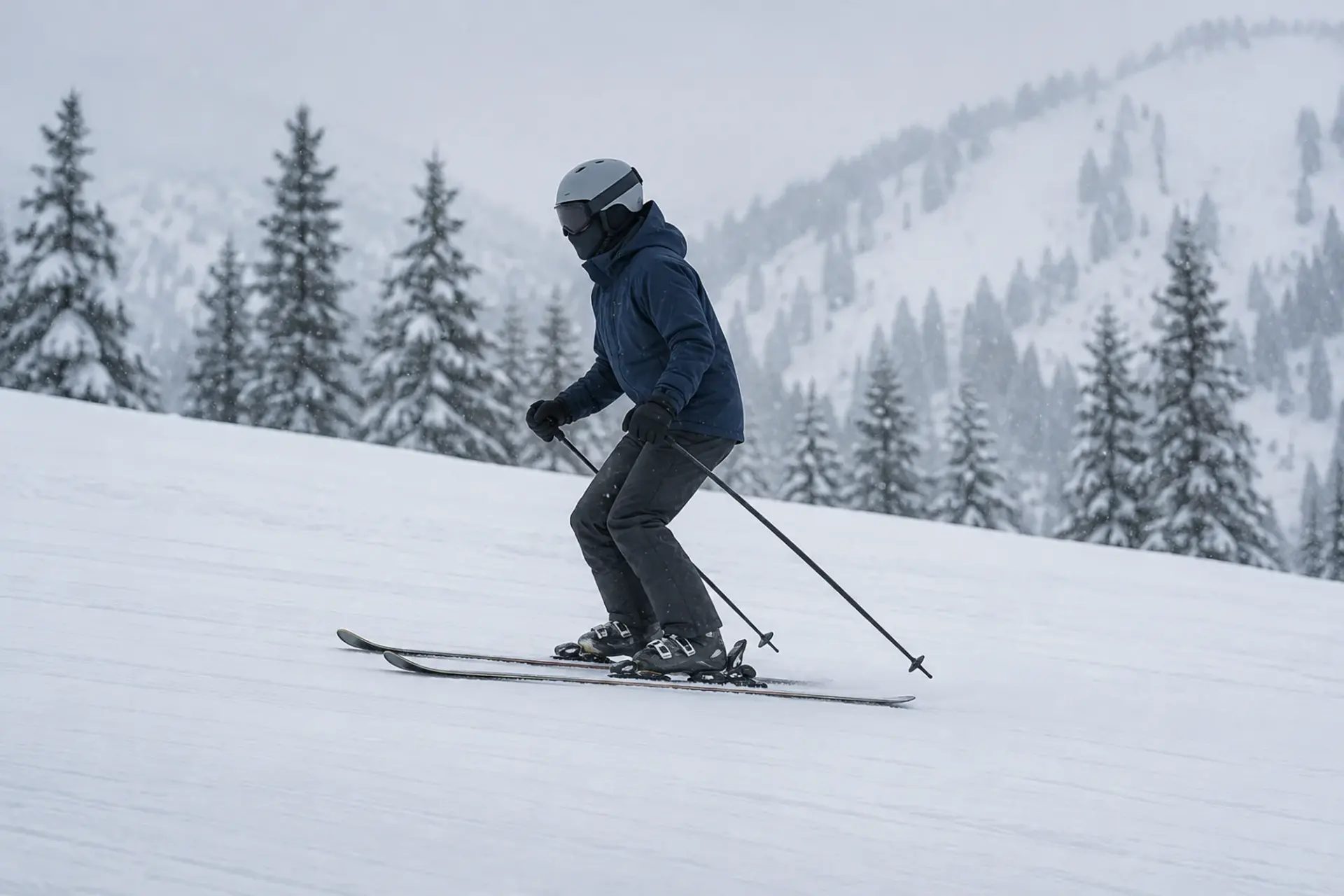
5 min read
Skiing in Gulmarg — Everything First-Timers Need to Know
Plan your first Gulmarg lesson around the practice area, equipment fitting and the conditions on your dates.
The journal
Compare Gulmarg ski lessons, valley walks and longer treks by what your group wants to do, how long it has and how conditions may change.
Free custom quote · Step 1 of 2
Enquiring about: Adventure in Kashmir: Treks, Camps and Mountain Drives
5 min read
Plan your first Gulmarg lesson around the practice area, equipment fitting and the conditions on your dates.
Start with a single activity everyone can do and an alternative from the same base. A short walk can fit a group with different speeds. A first ski lesson works better when the instructor, meeting point and weather arrangements are agreed before you leave Srinagar. Use the Gulmarg skiing guide to plan the lesson and our snowfall guide to check how the road and resort can differ.
For a river or air activity, confirm that it is running on your date and ask about who can take part, what the safety briefing covers and how to reach the start. If someone in the party skips the activity, decide where they will wait and when the whole group will meet again.
Before choosing a long route, ask about the start point, how much walking each day involves, overnight arrangements and when you can turn back. A hotel day outing and a trek with several camps use different footwear, luggage and rest plans. See the Great Lakes trek guide to work out what the route would ask of your group.
If your trip continues towards Ladakh, give the high-road drive and the arrival time their own place in the schedule. Check the current route, permits and conditions before relying on a pass. The Srinagar to Leh road trip guide explains how to pace that part of the journey.
Tell the guide what you have done before, who needs extra time and what equipment you already have. Ask which equipment is included, how you will get to the activity and how the booking changes if weather closes the route. Compare the Kashmir adventure packages before committing to consecutive outdoor days.
Bring a weather layer, water, food and a copy of your pickup point you can read offline. Agree a meeting time and a stopping point if the group separates. For a camp or trek, ask who makes route decisions on the day and how you will get back if someone needs to turn around.
Match the activity to the month. January and February are for snow and skiing, April and May for quiet walks and early rafting, June to September for treks and high roads, and October for clear, cold days on the meadows.
Altitude is a concern on high roads and treks alongside weather and access, even when the first part of a route feels manageable. Build in time for the change in elevation and discuss the route with your guide. If anyone becomes unwell at altitude, seek medical help before continuing higher.
An outing is more suitable for a first-timer when you can explain the start point, expected effort and how someone can finish early if needed. Ask the organiser what participants must already know. A short guided activity can help you decide whether a longer one belongs later in the same trip.
A shared overnight base can work for separate activities if each part of the group has transport and a realistic way to meet again. Confirm the return point for each outing before choosing one. A common lunch or evening stop can work better than asking everybody to finish at the same time.
A beginner lesson benefits from space on either side because the road approach, instructor meeting and snow conditions can all influence when you start. Avoid building another fixed commitment immediately after it. Discuss which bookings can move if the lesson shifts and agree on a simpler day if it cannot operate.
Equipment questions are easier to settle when you know whether the outing is a lesson, a short visit or a longer activity away from the arrival point. Ask which items are supplied and who checks the fit. Separate what you need for the activity from clothing for the journey and waiting time.
A village walk can be the main activity if the approach, permitted paths and pace all work for the group and you leave enough time to explore. Plan where the vehicle can meet you afterwards. Ask locally before entering private lanes or fields and treat changes of route as part of the outing.
A valley walk and a hike are best compared by their actual terrain, time on foot and exit options, since the description alone may hide important differences. Ask where the first sustained climb comes and whether the route loops or returns the same way. Use those details to match your party's pace.
A river session should be chosen only after you understand how the operator makes the go-ahead decision and what participants must be able to do. Ask about the briefing, equipment and the vehicle arrangements at the finish. If part of your group sits out, set a meeting point that works for both sides.
An air activity works better for a mixed party when the others know exactly where they can wait, what they can do and when to meet again. Confirm whether the starting and finishing points differ. If operations are delayed, agree how long the group will wait before moving on to the alternative.
A useful fallback stays reachable from the same base and gives the group something it actually wants to do if the original activity cannot run. It should also work with the transport you have booked. Decide which parts of the day can stay in place when the main plan changes.
Spare time is most useful between the agreed outdoor start and the next fixed transfer, meal or accommodation check-in that could be affected by a delay. Keep an optional stop close to the planned route. If the outing runs long, let that stop go rather than trying to recover time on the road.
A multi-day trek needs its own schedule when nights on the trail, departure time and the pickup at the end determine which hotel stays are practical. Map the camps and road transfers before committing to city nights. Leave room to reach your accommodation after the finish without a second demanding journey.
The first morning needs an agreed meeting point, clear instructions for the road transfer and a realistic time for sorting luggage before anyone begins walking. Ask which bags go to camp and which stay behind. Confirm what you carry during the first stage while the group is still together.
Previous walks, how long you comfortably spend on your feet and any difficulty with sustained climbs tell a guide more than describing yourself as generally active. Mention experience with the relevant conditions if you have it. Ask how the first stage would be adjusted for the slowest person in the group.
A route that finishes somewhere else needs a handover point the driver can reach and an agreed way to communicate if the walking time changes. Ask your trek leader for the precise name of the trail exit. Confirm who carries overnight bags to the finish and who will contact the vehicle.
A trail and a high-road journey both take time and energy, so their timing is easier to judge when you treat them as two separate commitments. Look first at where you finish walking and where the next drive begins. If the connection leaves no margin, move one part or add a night.
Offline notes are useful if they contain the meeting locations, times and route details you would need after separating from the driver or the rest of the group. Save the name of the agreed pickup landmark and the fallback plan. Let every traveller know which location to use if service drops.
The best time to discuss turnaround decisions is before departure, when the group can agree who assesses conditions and how someone returns if they stop early. Ask for the point beyond which the return becomes harder. Knowing that arrangement helps the party judge whether a longer route fits its comfort level.
Two outings fit one day only if the travel between their meeting points, time to change gear and any fixed start are realistic for the slowest traveller. Put the more important activity first if the second is optional. Identify the time at which you would drop the second rather than rush.
A combined packing list works best when you separate what both outings use from activity-specific items, and note which things will already be supplied. Ask what is suitable to carry while moving and where spare items can stay during the lesson. Make a separate list for the overnight luggage if you change bases.
The offers become easier to compare when you look at actual time in the activity, gear, supervision and who takes care of each road pickup. Ask whether the named activity is scheduled or simply available as an option. Then compare how much flexibility remains if a start time or operating condition changes.
A photographer can join when your outing leader knows where brief stops are wanted and how much time the group can afford before its next meeting point. Agree whether the route has a segment where stopping is practical. If most travellers want to keep moving, plan a separate short outing for photography.
A base after a long outdoor session should be easy to reach from the actual exit, with an arrival schedule that leaves time for meals and rest. Work backwards from the following morning as well. A stay with simpler access can be more useful than adding a distant transfer just to follow a sample itinerary.
Compare the dates, activity, experience needed and relevant overnight locations side by side. Note the walking time each traveller is comfortable with and which activity is the main reason for the trip. If either route changes the base, include the drive to the starting point and the return trip.
Written by the TDI Holiday Ventures planning desk in Srinagar. Confirm any travel conditions, fares or rules that affect your booking before paying.
Updated
More guides are published regularly.
Browse the full journalRelated
3 Nights / 4 Days
From₹11,950per person · twin sharing
6 Nights / 7 Days
From₹18,200per person · twin sharing
8 Nights / 9 Days
From₹25,350per person · twin sharing
More topics
Kashmir Seasonal GuideJournal topic
More topics
Kashmir Travel GuidesJournal topic
More topics
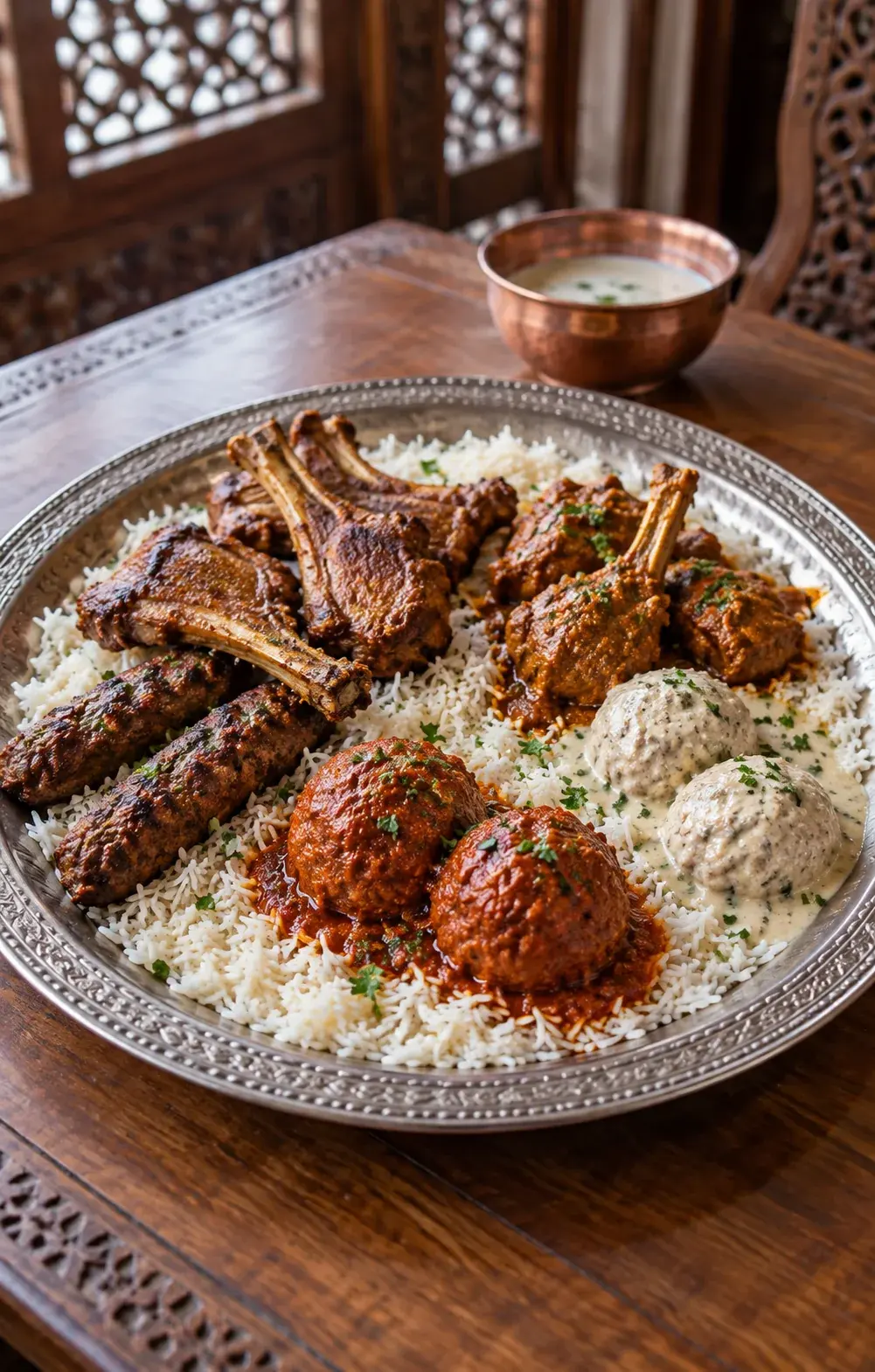
Kashmiri Culture & FoodJournal topicIn their own words
Short video reviews recorded by travellers during and after their trips.



Free custom quote
Chat with our Kashmiri travel experts. No pressure, just honest advice from a team rooted here for generations — a custom itinerary and price within 30 minutes.
Free custom quote · Step 1 of 2